“Those Were the Days” and “Le Temps des Fleurs”: One Melody, Three Cultures
In this section, we remember iconic songs that shaped generations and discover their significance, meaning and symbolism.

Some songs travel across borders. Very few transcend generations, languages, and cultures while preserving their emotional core. Here, that emotional core is the desire to stop time.
Those Were the Days, immortalized by Mary Hopkin in 1968, belongs to that rare category. Yet for millions of listeners across France, Southern Europe, and the Mediterranean world, the song is just as likely to evoke Dalida's French adaptation, Le Temps des Fleurs.
Though separated by language and interpretation, both recordings share the same melancholic melody and a common ancestor: the Russian romance song Dorogoi Dlinnoyu ("By the Long Road"), composed in the early twentieth century by Boris Fomin with lyrics by Konstantin Podrevsky.
Anthem of Youth
What makes these two versions fascinating is not their musical lineage, but the way they express a universal longing to preserve a beautiful moment before it slips into memory. A desire to prevent time from moving forward.
The song speaks in the voice of reflection, looking back at youth, friendships, and nights filled with music and possibility.
The genius of the song lies in its refusal to fully surrender to sadness. Rather than simply lamenting what has been lost, it briefly recreates it. Every chorus feels like an attempt to bring the past back to life, if only for a few minutes.
“Oh my friend we’re older but no wiser, for in our hearts the dreams are still the same” says the English version, celebrating the past but still looking to the future with hope.
It is a rebellion against time, framed in one melody.
But did you know that this melody comes in fact from Russia?
A Russian Soul
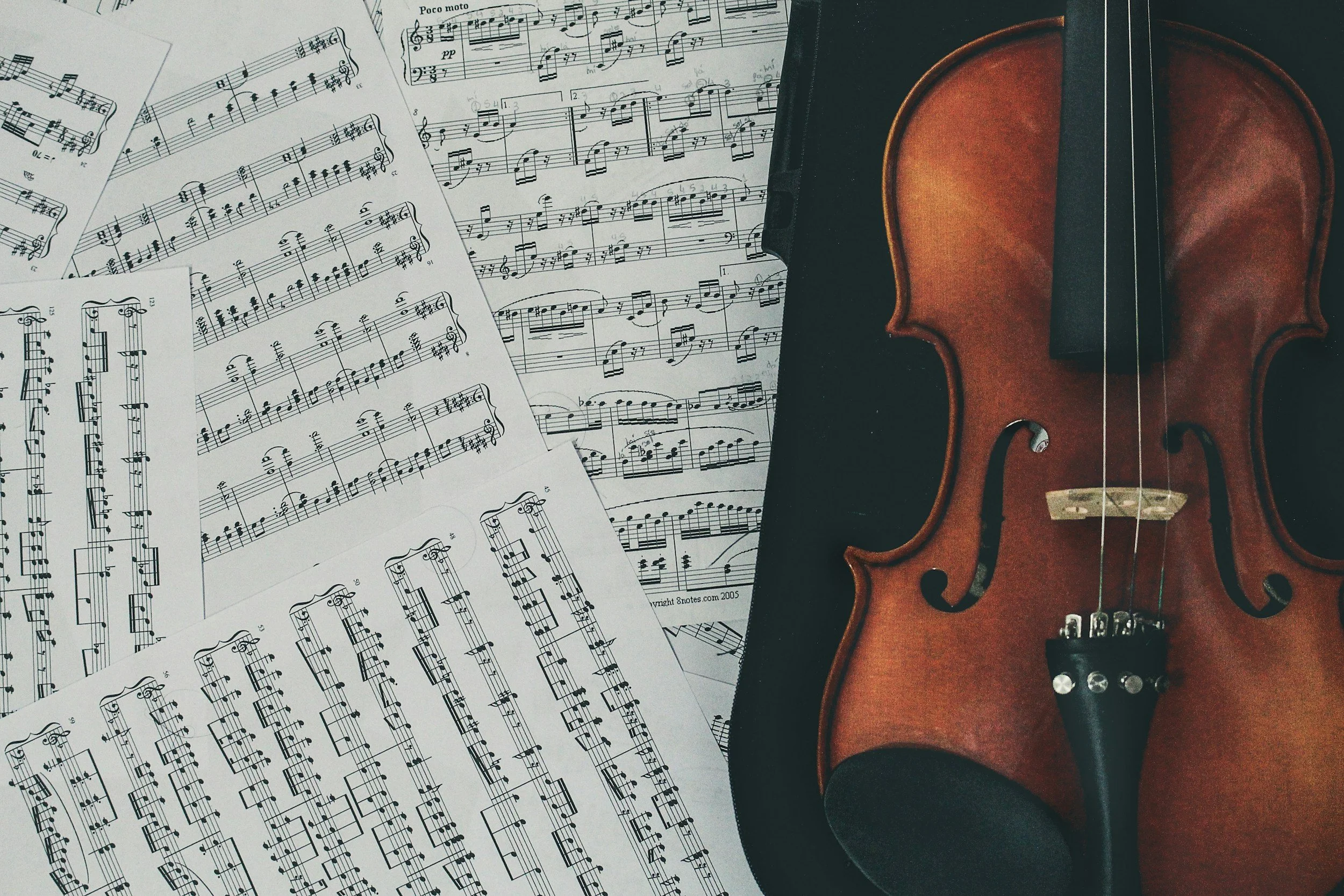
Long before it became an international pop standard, the Russian version Dorogoi Dlinnoyu was steeped in melancholy and the idea, expressed in most Russian literature, that life slips away before we even realize it.
The original song looks backward, recalling youth, freedom, and moments that can never be recovered.
When American songwriter Gene Raskin adapted the melody into English as Those Were the Days, he preserved that nostalgia while giving it a more accessible, universal narrative.
The result was a song that sounded both ancient and contemporary, a folk ballad suspended somewhere between celebration and regret.
Mary Hopkin's version remains the definitive interpretation for much of the English-speaking world. Her youthful voice lends the song an almost fairy-tale quality, transforming memory into something bright and idealized.
The lyrics paint a picture of friends gathering in a familiar tavern, dreaming of limitless possibilities. The refrain becomes an anthem of youthful certainty:
"We'd live the life we'd choose, we'd fight and never lose, for we were young and sure to have our way".
Dalida: A Mediterranean Memory
If Hopkin’s version feels like a nostalgic postcard, Dalida’s Le Temps des Fleurs feels like a cinematic recollection bathed in Mediterranean light.
Born in Cairo to an Italian family and later becoming one of France’s most beloved singers, Dalida embodied a uniquely Mediterranean identity. Her voice carried influences from multiple shores of the Mediterranean Sea, blending French chanson with Southern warmth and emotional intensity.
In Le Temps des Fleurs, the story becomes less about a specific gathering and more about an entire season of life. Even the title shifts the emphasis.
Rather than “Those Were the Days”, Dalida sings “The Time of Flowers”, a poetic image suggesting spring, youth, beauty, and impermanence.
The Mediterranean sensibility is unmistakable. One can almost see the sunlight, hear the laughter, and feel the warmth of vanished summers. The song becomes an ode to a golden age that exists somewhere between reality and imagination.
Where Hopkin evokes innocence, Dalida evokes nostalgia tinged with passion. Her performance carries a deeper sense of lived experience, making the passage of time feel both more beautiful and more tragic.
Final word
At their core, both songs are engaged in the same impossible project: stopping time. This explains why they continue to resonate decades after their release.
The subject is not merely youth or friendship. It is humanity's oldest struggle against impermanence.
We all possess our own "time of flowers", a period that seems, in retrospect, brighter, simpler, and filled with possibility.
And from here comes the universal message of the song: the desire to make beautiful moments last forever even when we know they cannot.
Et voilà! That was a nostalgic memory and we will come back soon to the story of the French Diva Dalida!