Jalla Arabic Remix: Bridging Mediterranean Cultures
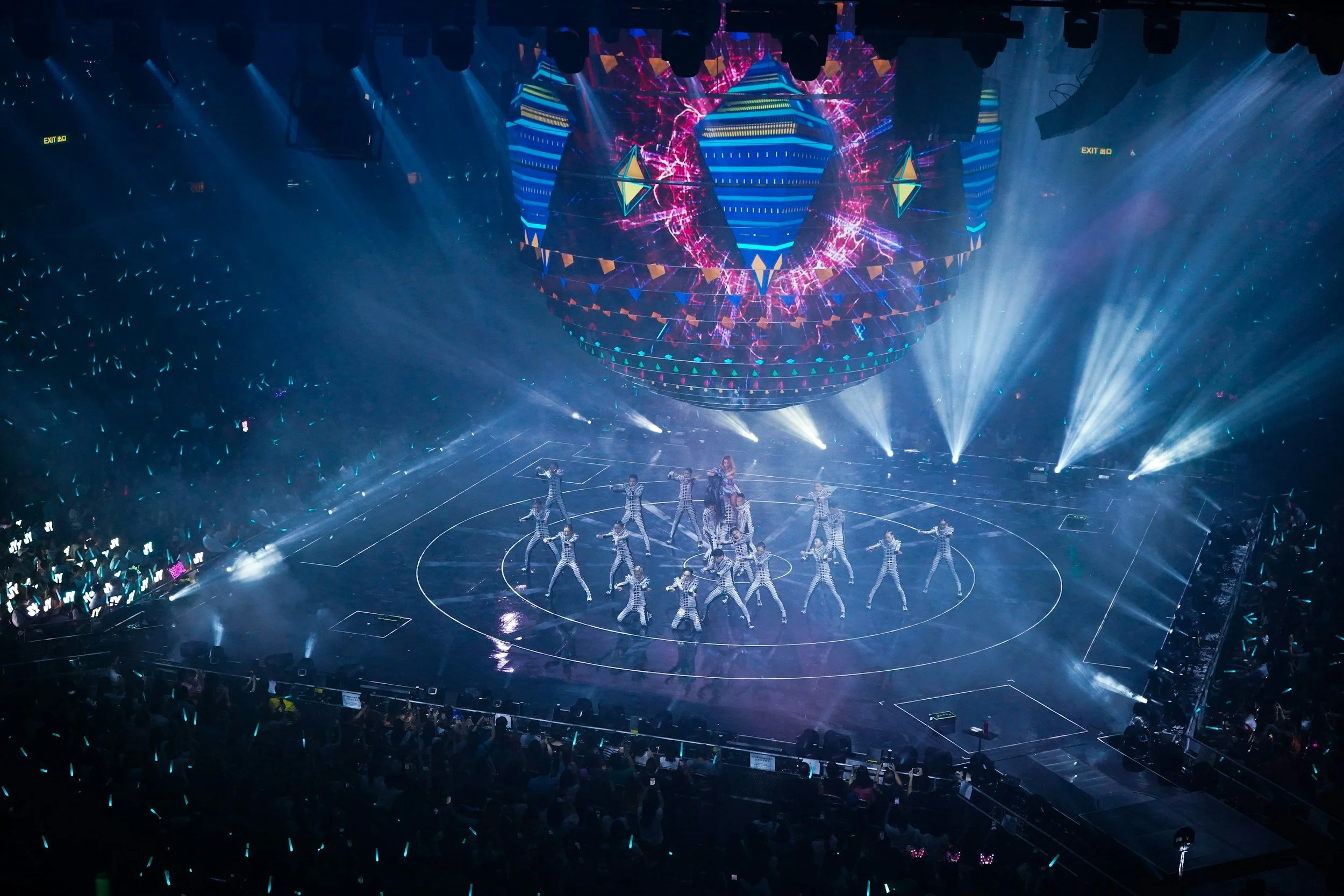
The Mediterranean has always been a meeting point of cultures, languages, traditions, and, perhaps most beautifully, music, and this is obvious with the release of the Arabic remix of the beloved Cypriot Eurovision song “Jalla”.
Capturing that spirit, the song competed in Eurovision 2026 representing Cyprus. Shortly afterwards the Arabic remix became a hit, bringing together Cypriot singer Antigoni and Arabic artist Oualid in a collaboration that feels both contemporary and deeply rooted in Mediterranean culture.
The Story Behind Jalla
When Antigoni first released Jalla which means “more” in Cypriot dialect, the song immediately stood out for its energy and unmistakable Mediterranean character. The dance accompanying the song became a trend all over Cyprus.
The title of the remix comes from the Arabic expression "Yalla”, meaning "let's go" or "come on," a word that has become part of everyday vocabulary across much of the Eastern Mediterranean, including Cyprus.
Antigoni, a British-Cypriot singer known for blending modern pop with her Mediterranean heritage, has always embraced multicultural influences in her music.
With Jalla, she celebrated the vibrant connection between Greek, Cypriot, and Middle Eastern cultures, specifically when she says in the opening lines “shake my hips to tsiftetéli" which is considered a cultural symbol.
What is tsifteteli?
Tsifteteli is a social dance and musical style widely found across Greece, Cyprus, and the broader Eastern Mediterranean. It is characterized by fluid hip movements, improvisation, and rhythmic body expression.
In Cyprus, it is commonly associated with weddings, celebrations, festivals, and nightlife.
The reference to tsifteteli here is more than a dance instruction. It evokes a shared Eastern Mediterranean cultural tradition that connects Cyprus with neighboring musical cultures, reinforcing the song's themes of celebration.
That connection is one reason the later Arabic remix feels natural: the original song already draws on cultural elements that resonate across the Eastern Mediterranean.
Longer Tradition
The Arabic remix takes that vision a step further. By partnering with Oualid who has half Egyptian and half Moroccan roots, the track evolves into a genuine cross-cultural dialogue.
Arabic verses complement the original melody, creating a seamless fusion of two musical worlds that have been influencing one another for generations.
This collaboration which sounds fresh and innovative. Yet it is also part of a much longer tradition.
Greek and Arabic music have shared musical DNA for centuries. From the scales and melodies of the Eastern Mediterranean to the emotional storytelling found in both traditions, the similarities are numerous.
Long before streaming platforms and social media collaborations, musicians were already building bridges across the Mediterranean.
One of the most influential figures in modern Greek-Arabic crossover music is the Egyptian music icon Amr Diab.
Widely regarded as a pioneer of Mediterranean pop, Diab helped bring Arabic music to new audiences through landmark collaborations with Greek artists, as well as familiarizing the Arab listeners with Greek music.
His duets with Angela Dimitriou became defining moments in the history of Greek-Arabic musical fusion.
These collaborations demonstrated that music could transcend language barriers. Greek listeners embraced Arabic melodies, while Arab audiences discovered Greek lyrics and artists. The result was a cultural exchange that influenced countless songs in both directions.
Jalla ... more than a remix
What makes the Jalla Arabic remix particularly captivating is that it introduces this tradition to a new generation.
Rather than simply borrowing sounds from another culture, Antigoni and Oualid create a genuine artistic exchange. The track feels authentic because both artists bring their own identities, languages, and experiences to the collaboration.
In an era when global music often chases trends, Jalla reminds us of something more meaningful: the power of shared cultural heritage.
The Arabic remix of Jalla is more than a catchy summer track. It is a celebration of the Mediterranean's ability to connect people through rhythm, melody, and language.
Final word
While Greek-Arabic fusion continues to evolve with new artists while staying true to its roots, Jalla remix comes to remind us that Mediterranean cultures can blend in harmony.
Because across the Mediterranean, our stories, sounds, and emotions have always been more connected than we sometimes realize.
Et voilà! As the song itself suggests: Yalla. Let's keep moving forward together.
Five Facts about Greek-Arabic fusions:
Jalla or Yalla, the new release preserves the original tune and beat while incorporating Arabic elements, and the music video showcases the vibrant energy of both singers reinforcing the song’s cross-cultural appeal.
The legendary Egyptian singer Amr Diab started this cooperation in 1999 with his duets with Greek singer Angela Demetriou: Elleos and Ana Bahebak Aktar/Spasta.
In 2020, he released also Ahe Ahe /Esi Esi with the Greek singer Eirini Papadopoulou.
Amr Diab and the Greek star Antonis Remos performed together in Mykonos multiple times, most notably at Nammos Mykonos in 2018 and 2019.
The Greek music icon George Dalaras has collaborated with several Arab musicians in live performances and world-music projects, though not many commercial pop duets.