Mediterranean living & the art of slowing down
“In the midst of winter, I found there was, within me, an invincible summer”, that is how the French writer Albert Camus expressed his passion for the Mediterranean, trying to capture a spirit of endless summer all year round, not necessarily just in the weather but in mindset.
In the Mediterranean Lifestyle Guide that you can download on those pages, I explored the foundations of the philosophy of Mediterranean living and put an action plan to adopt this lifestyle in basic steps, and most important, you don’t have to be living by the sea to apply it!
The Pillars
The three pillars of Mediterranean living are: nourish, move, rest. What does this mean?
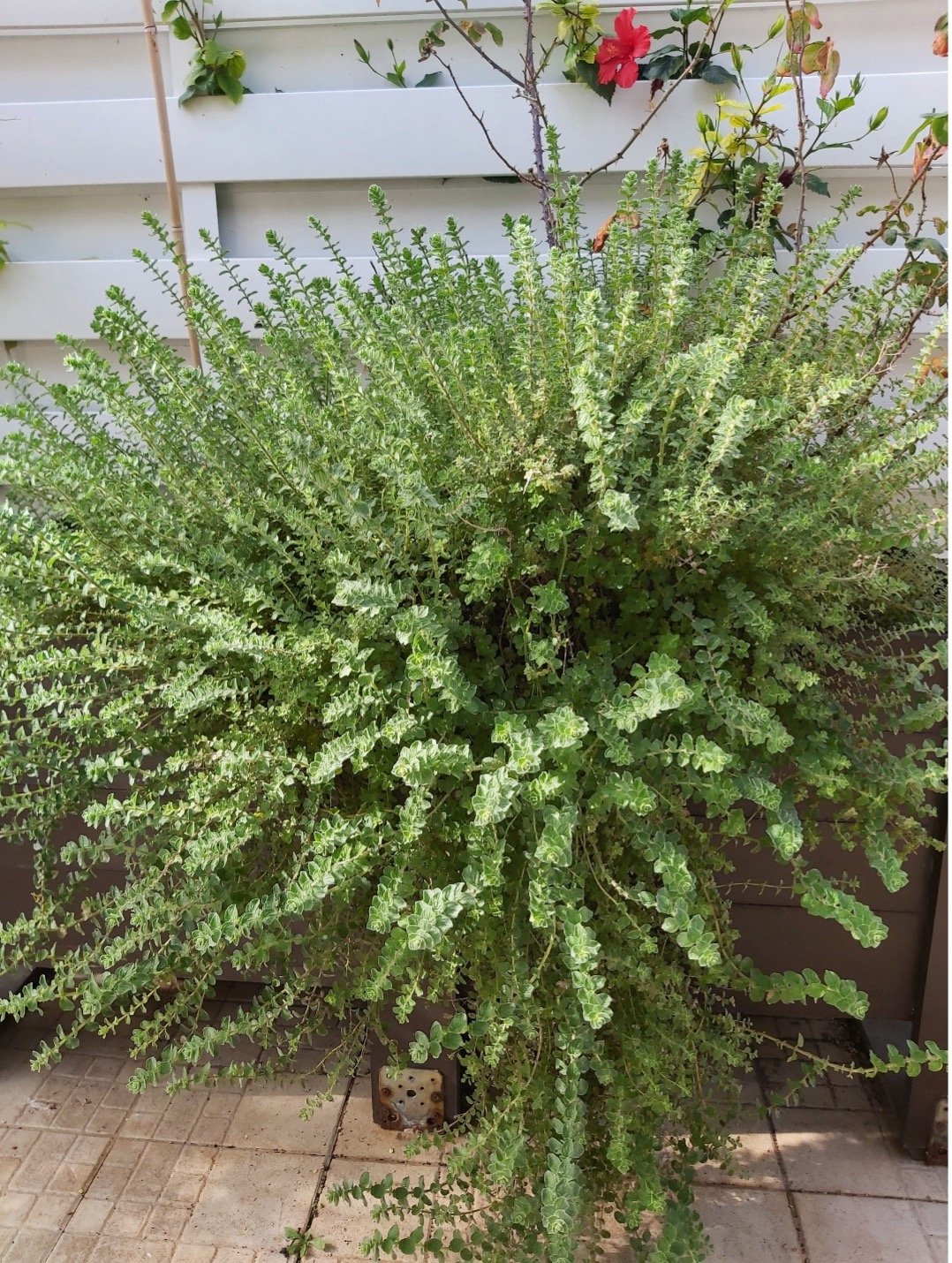
Fresh oregano in my garden
At the core of this lifestyle is the celebrated Mediterranean Diet based on olive oil, fresh fish, seasonal vegetables and fruits, healthy fiber and legumes.
Tables here are filled with grilled fish, ripe tomatoes, and crusty bread with freshly prepared dips, lunches spill into late afternoons and food becomes a daily ritual.
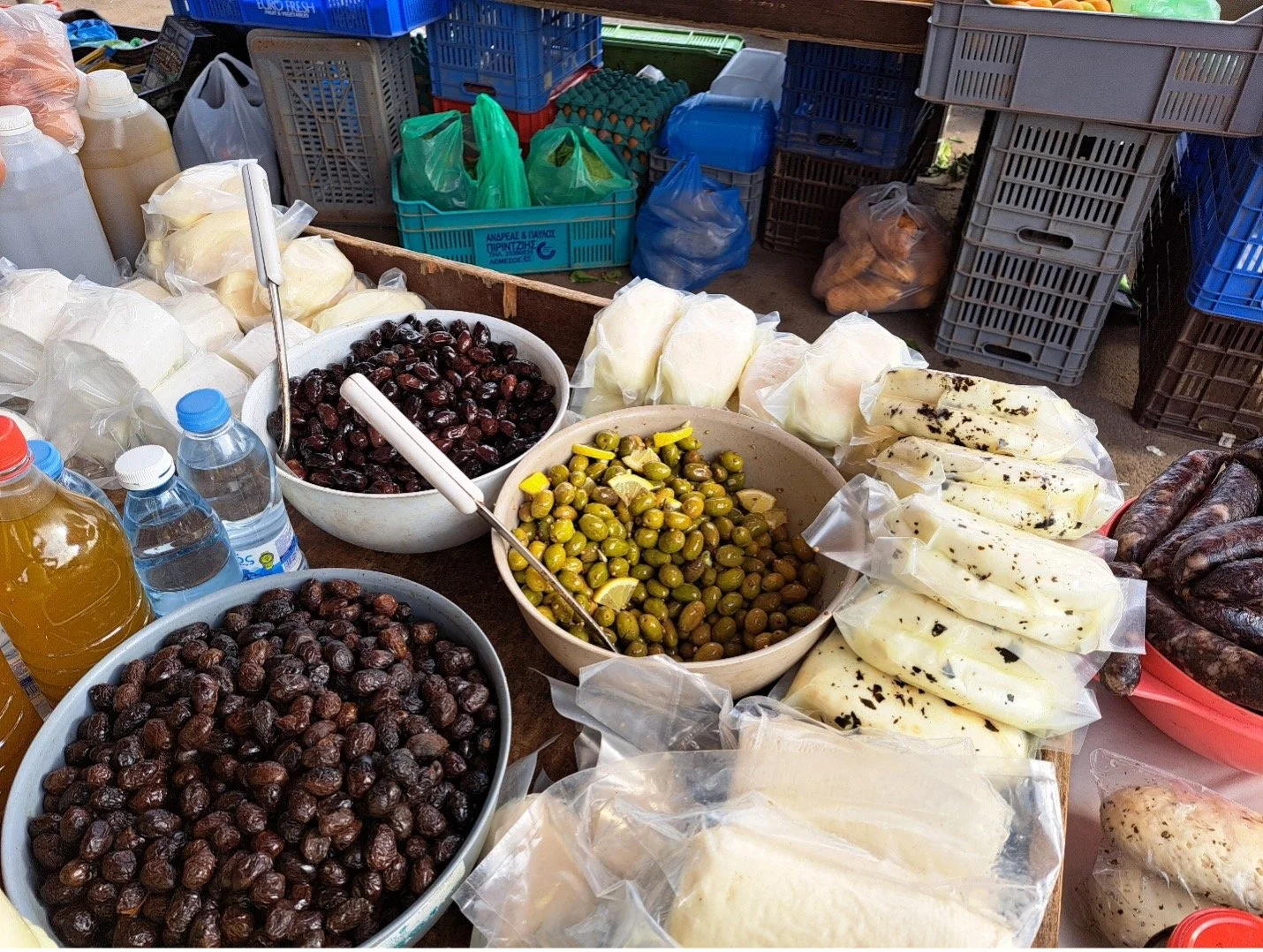
Olives and local Cypriot products in the old market of Nicosia.
The Mediterranean lifestyle also embraces movement, though not in the rigid way modern fitness culture often prescribes. Instead, activity is woven naturally into the day: walking to the market, swimming in open water, climbing narrow hillside streets.
It’s a lifestyle that keeps the body engaged without turning exercise into obligation.
Then there’s the art of rest. In many regions, the afternoon pause, whether you call it a siesta or a nap, is non-negotiable. Shops close, streets quiet, and the pace softens. This built-in reset creates space to recharge, something increasingly rare in fast-paced urban life.
Cultural Wisdom for Modern Living
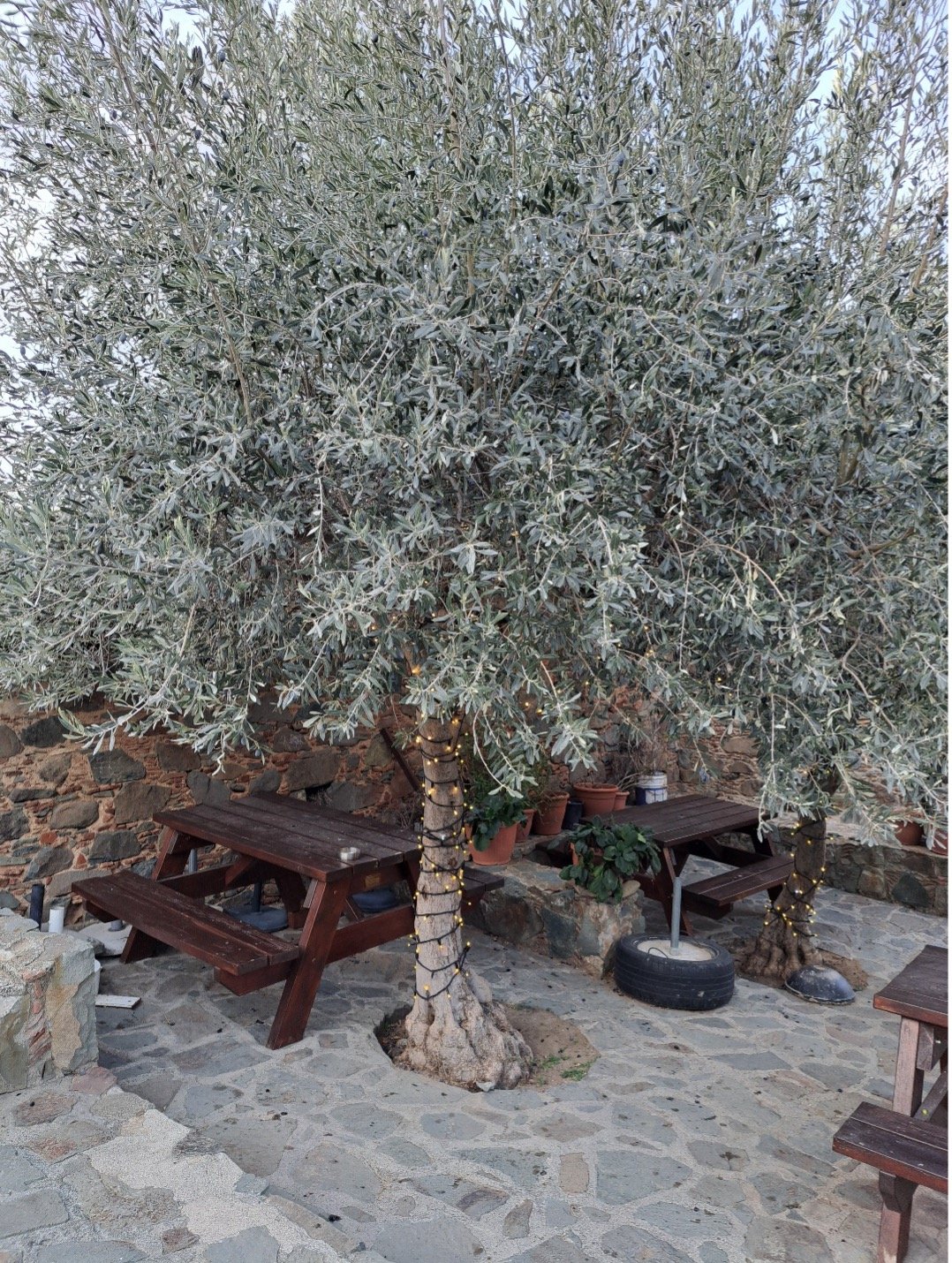
In ancient Greek tradition, the olive tree represented peace, wisdom, and prosperity
Across the Mediterranean, ancient wisdom isn’t preserved in museums, it’s lived daily, shaping how people eat, rest, and relate to one another.
It all started with the philosophy of Aristotle, who championed balance and virtue.
The Mediterranean way embraces this philosophy: care for yourself, nourish your body with good food, move with joy and rest without guilt. Beauty flows from aliveness, not perfection.
It is a harmony between body, mind, and environment.
Core Values
Here slowing down, hospitality, seasonality, community and simplicity reign.
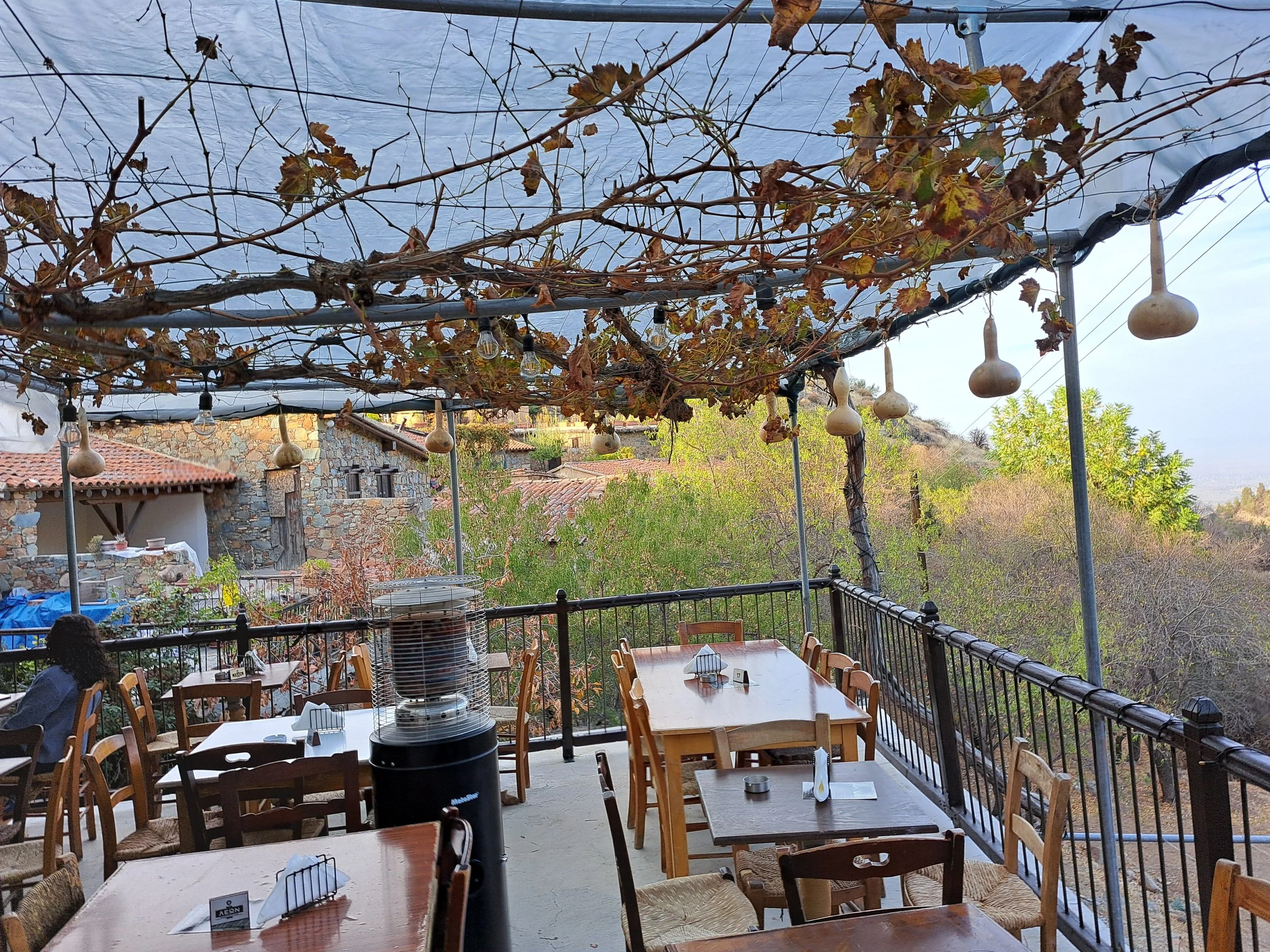
Village restaurant in Fikardou
Social life isn’t scheduled weeks in advance; it unfolds organically. Work-life balance is not a theory; it is applied daily. Simple pleasures, like enjoying a meal with family or friends near the sea, is not seen as indulgent, it is essential for well-being.
Therapy here is savoring a simple meal, meeting over a coffee, watching the sunset, or sharing a bottle of wine with friends. Small moments yes, but they are treated as the fabric of a meaningful life.
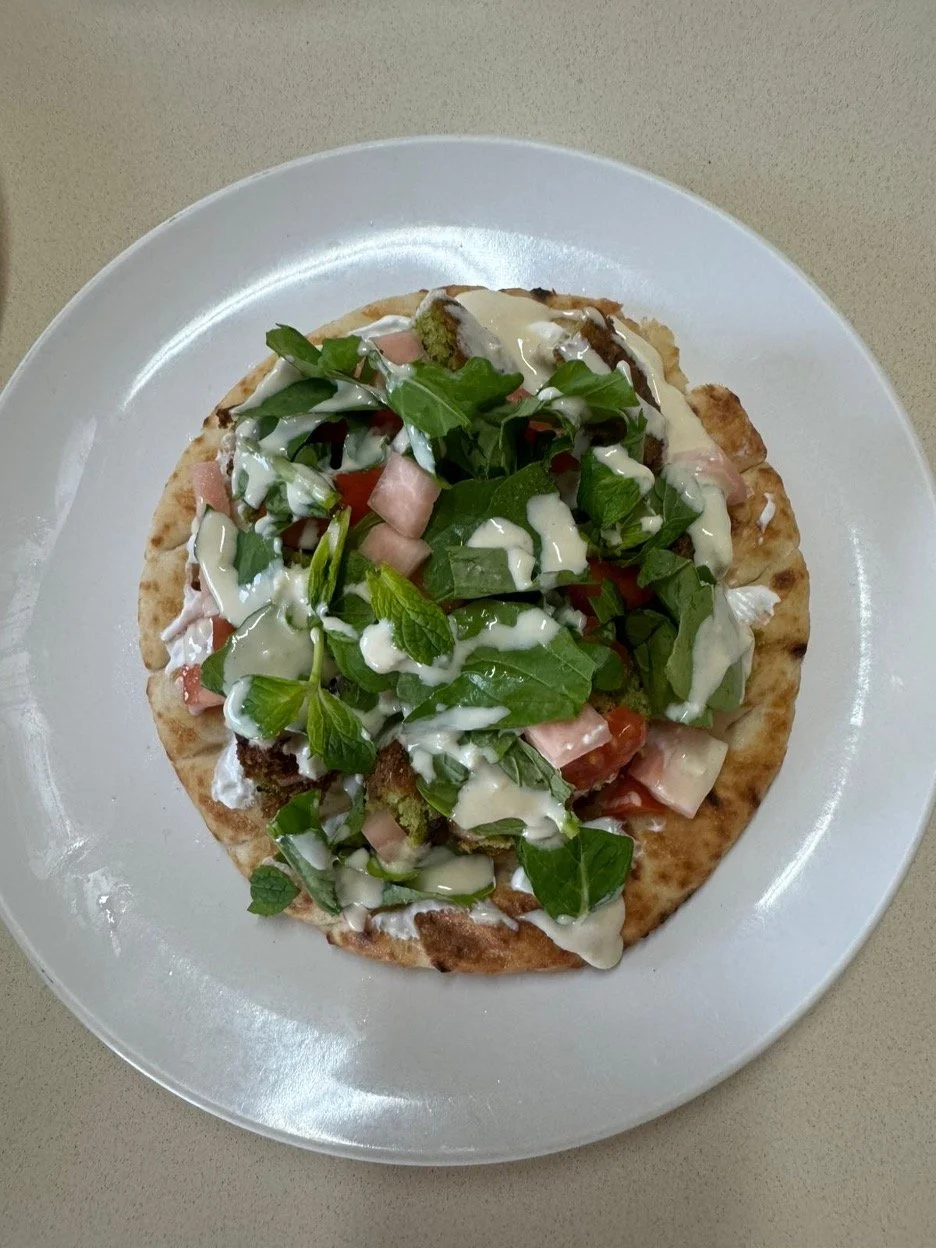
Homemade green falafel topped with vegetables and drizzled with tahini sauce
Here, life isn’t hurried, it’s felt. And often, the simplest pleasures turn out to be the most profound.
Travel as a way of life
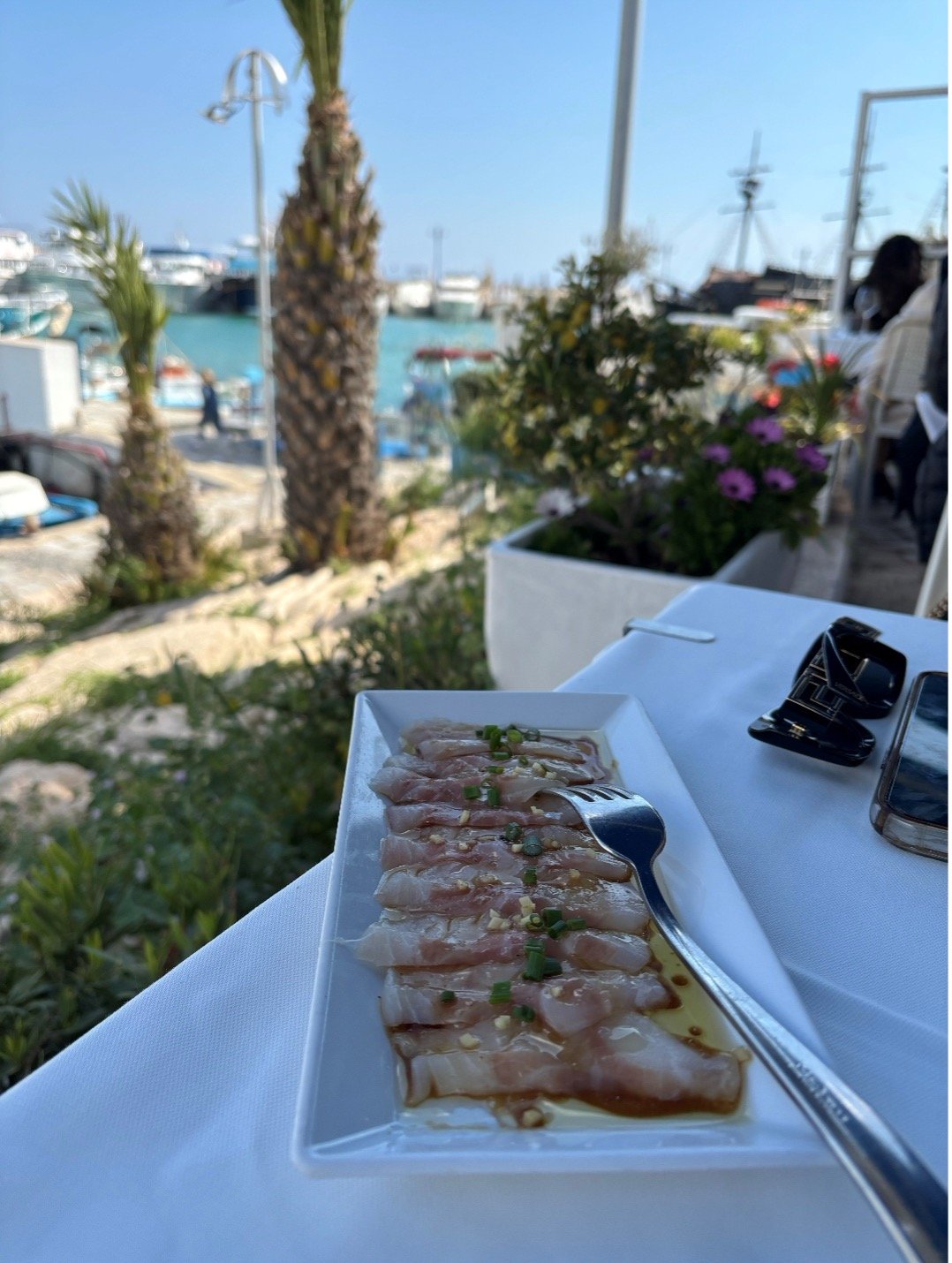
Fish carpaccio in Ayia Napa harbor
“The world is a book, and those who do not travel read only one page”, that is how Saint Augustine described the importance of travel in self-development.
Travel expands the boundaries of everyday life, offering different perspective, adding curiosity and creating deep cultural understanding.
Whether wandering through historic streets or visiting landmarks or just exploring the daily life of other communities widens horizons, and acts as a powerful tool for personal growth.
This is a reminder that the world is far larger, richer, and more interconnected than our daily routines suggest.
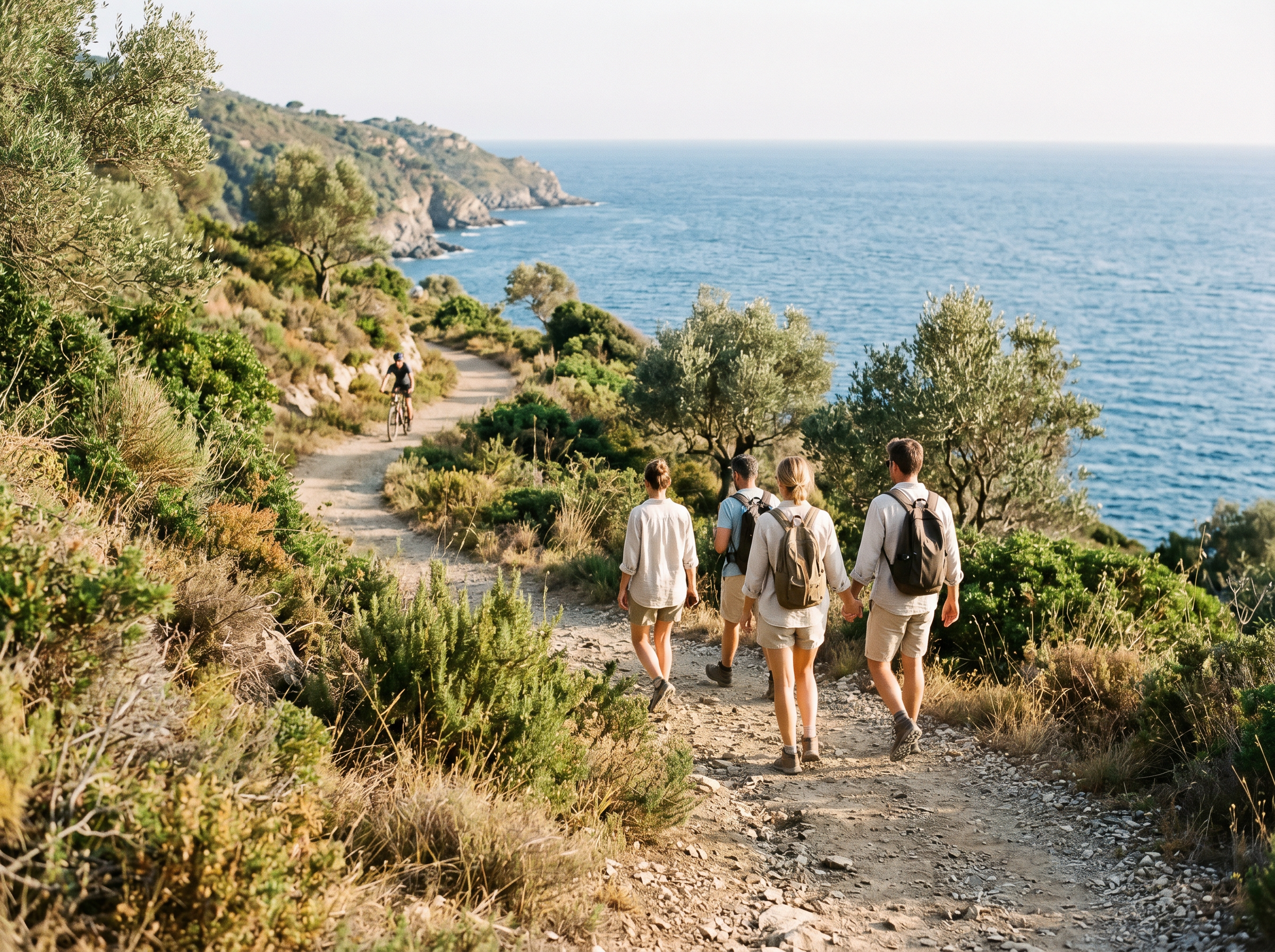
Following the coast at a gentler pace.
Your 30-Day Action Plan
Adopting Mediterranean living doesn’t require relocating to the coast.
It begins with small shifts: choosing fresh over processed, prioritizing time with others, stepping outside daily, and allowing space for rest.
This is not a blueprint, it is a daily practice that has endured through generations because it is rooted in practicality, balance, and deep cultural continuity.
Et voilà! That is why the Mediterranean is one place, one table, one story!
You can download the Mediterranean Lifestyle Guide for free. Subscribe and download here.
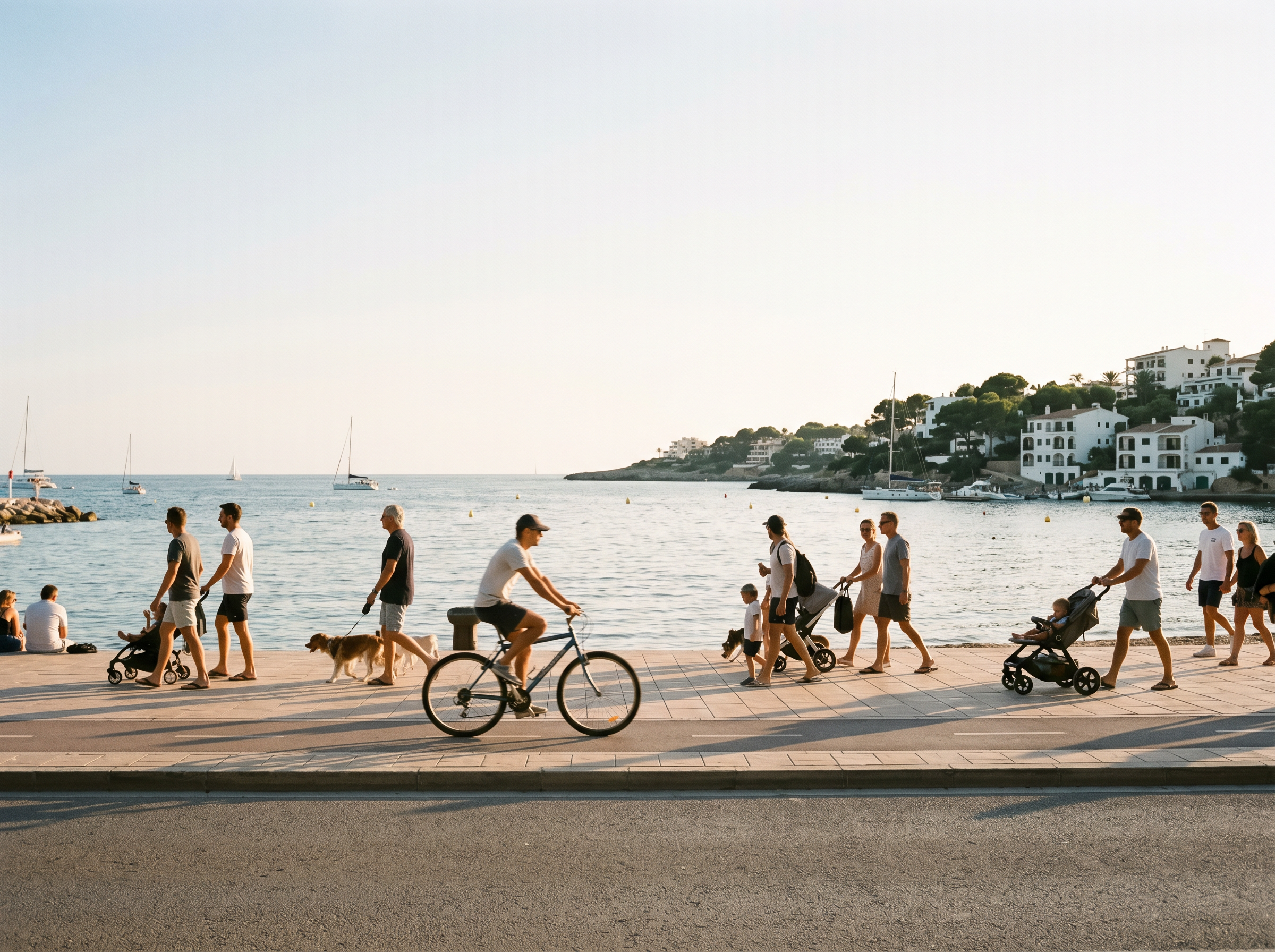
Walking and cycling by the shore.
Five facts about the Mediterranean lifestyle:
People in parts of the Mediterranean region, like Ikaria (Greece) and Sardinia (Italy), are known for unusually high life expectancy and large populations of centenarians.
The traditional Mediterranean diet is strongly associated with lower rates of cardiovascular disease, a major factor contributing to longer average lifespans.
Strong social networks, including close family ties and frequent community interaction, are linked to reduced stress and better mental health.
Long-term studies suggest that diets high in olive oil are associated with increased longevity and reduced risk of cardiovascular diseases.
A fish-rich diet, common in the Mediterranean, is high in omega-3 fatty acids, which support heart and brain health.