Is it the glow of fairy lights, the smell of cinnamon and freshly baked gingerbread, or the sound of Christmas carols drifting through little wooden stalls? What really makes Christmas markets that kickstarted this weekend in many countries, among them Cyprus, so magical and special?
Maybe it is the simple pleasure of holding a warm drink in your hands while wandering through a festive square, searching for handmade gifts, meeting with family or friends, and soaking up the atmosphere.
Whatever the reason, Christmas markets have become one of the most anticipated highlights of the festive season.
And although this tradition has its roots in the chilly squares of Northern Europe, it has found a natural home in the Mediterranean.
Enchanting Experience
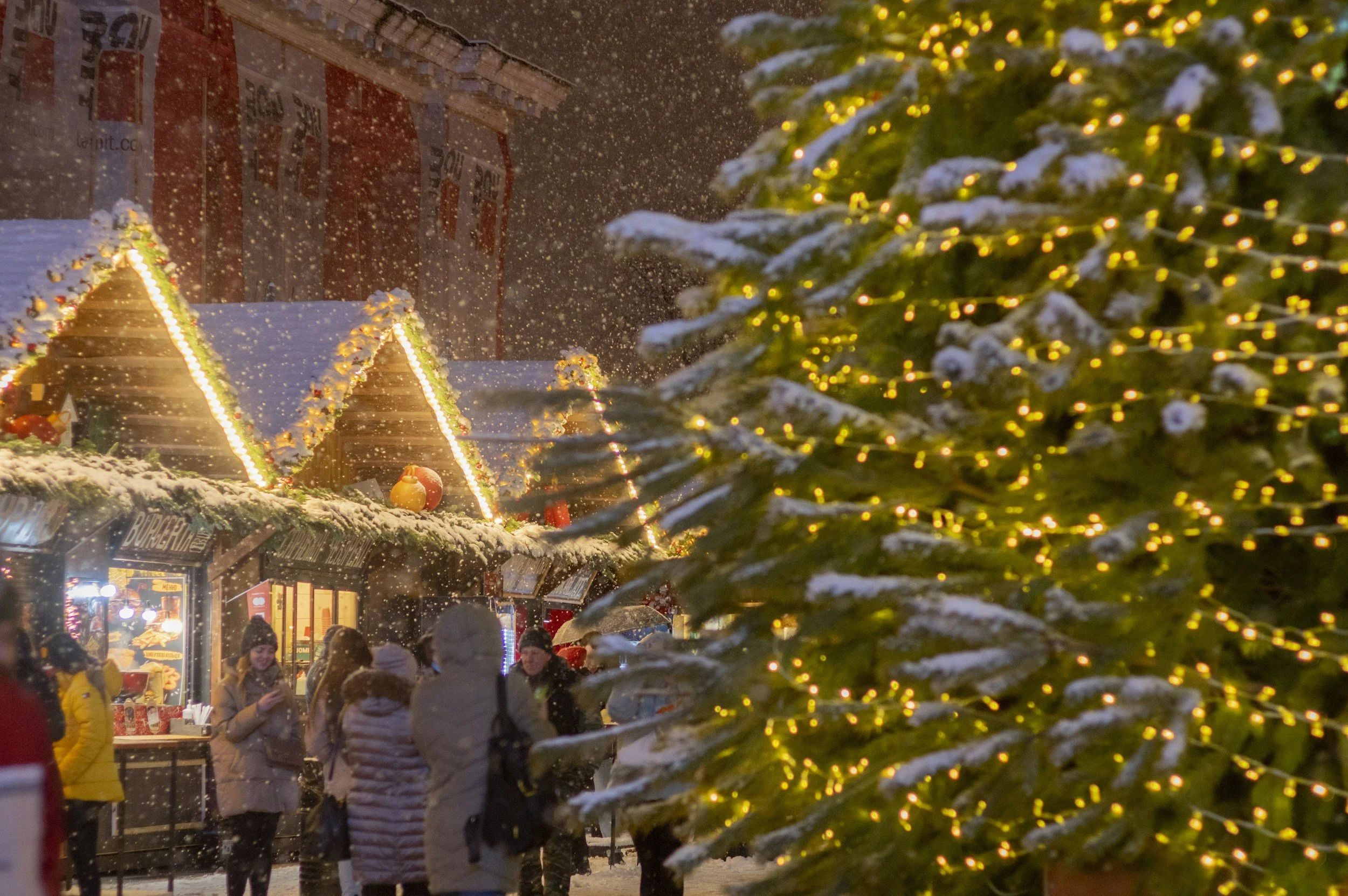
In a world where almost everything can be ordered online, there is something special about the experience of stepping into a real-life festive setting, strolling with family or friends and making new memories year after year.
Christmas markets bring together all the little things that make the festive season magical. Here is why:
1. The atmosphere
There is a certain charm in walking through rows of beautifully decorated wooden chalets, surrounded by Christmas lights, festive music and the scent of freshly baked treats. Even people who aren't particularly enthusiastic about Christmas can find themselves caught up in the atmosphere.
2. The food
From German bratwurst and pretzels to gingerbread, roasted chestnuts, waffles and hot chocolate, Christmas markets are a dream for food lovers. Every stall offers something different, and each country adapts the treats to its own traditions, and this becomes part of the fun.
3. The Shopping
Christmas markets are also wonderful places to find gifts that feel a little more special. Handmade decorations, candles, jewellery, crafts and locally produced delicacies offer an alternative to the usual high-street shopping experience.
4. The Togetherness
Perhaps their greatest attraction is the sense of community. Families, friends, couples and even groups of colleagues come together to enjoy an evening out. Children can meet Santa, adults can catch up over a festive drink, and everyone can enjoy a little seasonal escapism.
5. The Memories
Ultimately, people don't just visit Christmas markets to buy things, they go to create memories. The photographs, the laughter, the music and those spontaneous moments are often what people remember long after the decorations have been packed away.
A European tradition
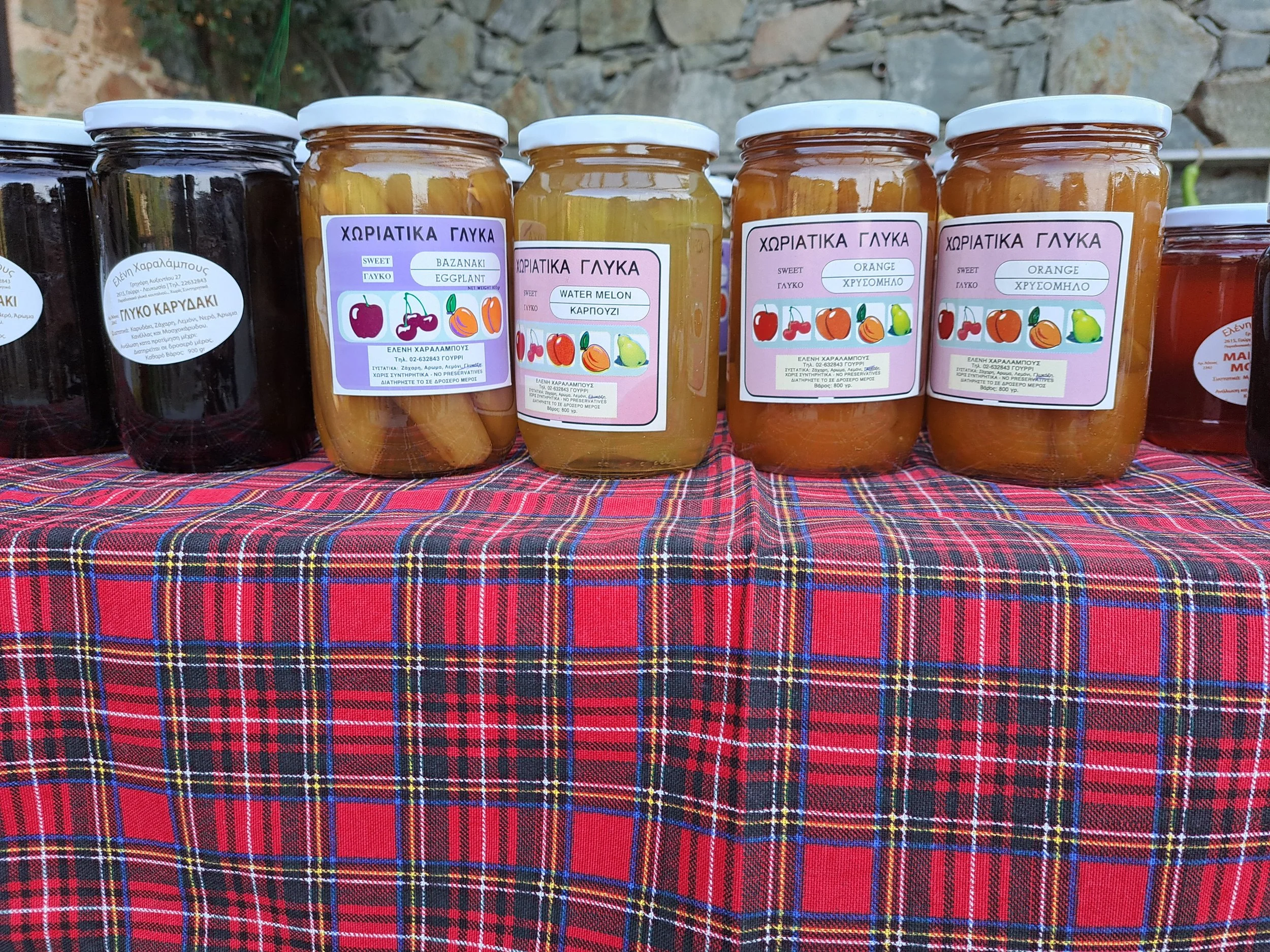
Local sweets displayed in a Christmas market in Cyprus.
The story of Christmas markets goes back to medieval Europe, particularly in the German-speaking regions. Their earliest versions were not quite the festive spectacles we know today as they were practical winter markets where local communities could stock up on food, household essentials and supplies before the coldest months arrived.
Vienna's December markets are often associated with the tradition's early history, while Germany's Dresden Striezelmarkt, dating back to 1434, is among the oldest established Christmas markets still celebrated today.
Over time, these practical marketplaces evolved into something much more atmospheric. Artisans began selling handmade decorations, toys and seasonal gifts, while bakers and food vendors introduced festive treats.
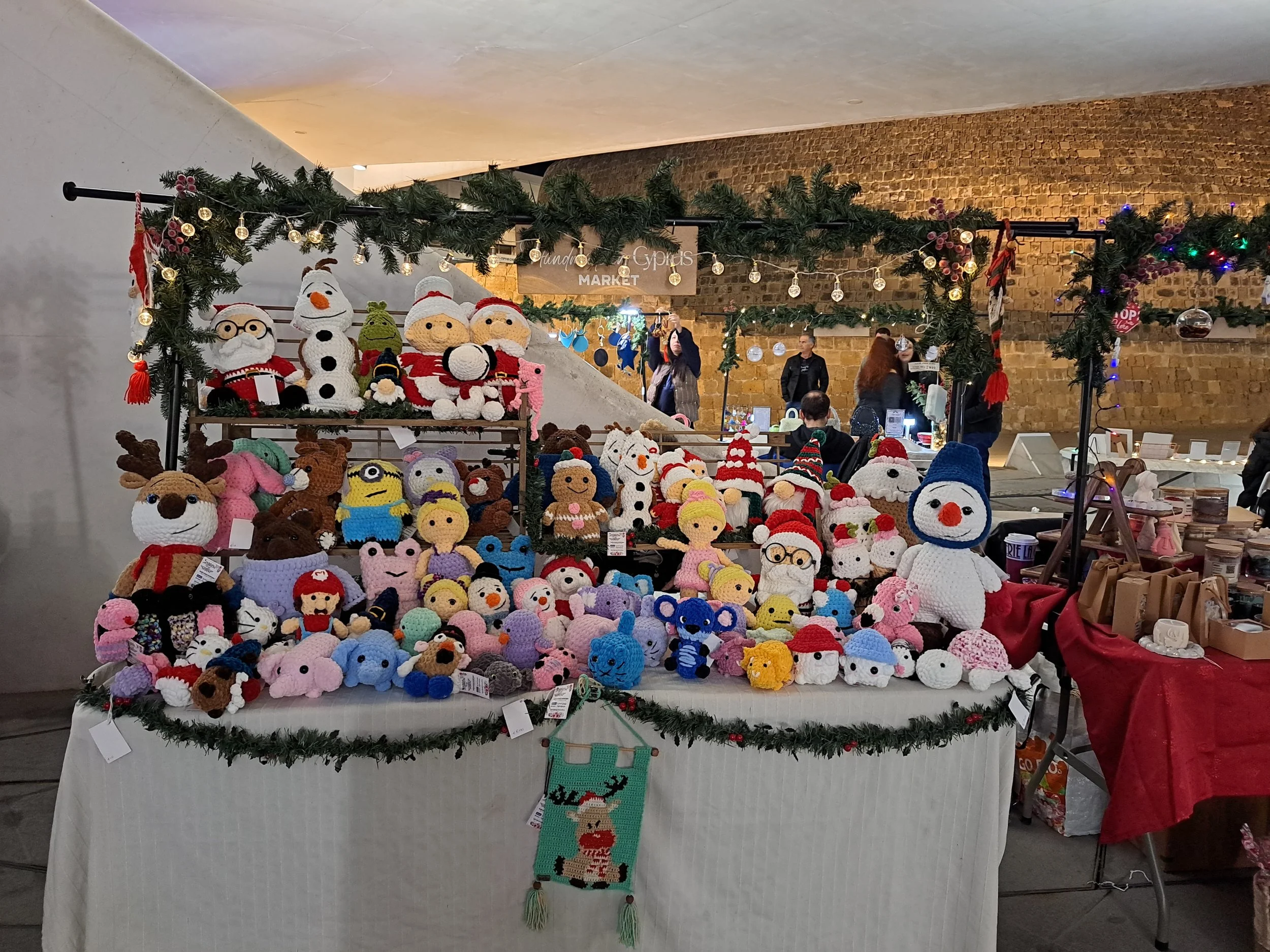
Toys displayed at a Christmas market in Nicosia.
Music, decorations and Christmas traditions gradually transformed market squares into places for celebration and socializing.
Eventually, the wooden chalets, twinkling lights, mulled wine, roasted chestnuts and gingerbread became synonymous with the European Christmas experience.
Final Word:
Despite the fact that Christmas markets were born in the chilly squares of Northern Europe, the warmth of the Mediterranean gives this tradition a different character.
In the Mediterranean, those markets have found a new home where wooden stalls and festive decorations meet cobbled village streets, local delicacies and the region’s love for outdoor gatherings!
Et voilà! Happy festive season everyone!
Five Facts About Christmas Markets:
1- The beginnings of Christmas markets are often connected to a fair in 1296 in Vienna, although it was a general 14-day market, not specifically for Christmas.
2- Many traditional German Christmas markets are called Christkindlmarkt, meaning Christ Child market, reflecting the religious roots of the celebration.
3- The famous Dresden Striezelmarkt dates back to 1434 and is among the oldest documented Christmas markets still celebrated today in Germany.
4- Over the centuries, markets expanded beyond food and winter provisions to include handmade toys, decorations, crafts, sweets and seasonal specialties.
5- The little wooden stalls create a traditional village atmosphere and provide a recognizable setting for artisans, food vendors and seasonal traders.
(Sources: Websites- Smithsonian Magazine, Dresden Striezelmarkt, City of Vienna)