Carnival in Cyprus, Lent in Lebanon: The Buildup to Easter Kickstarted
The Mediterranean does not rush into spring; it celebrates its way there. In both Cyprus and Lebanon, the weeks before Easter move from color and noise to quiet reflection, from masks and music to candles and prayer. How do communities on the two shores prepare for the same spiritual journey leading to Easter, the most important celebration in the Christian calendar?
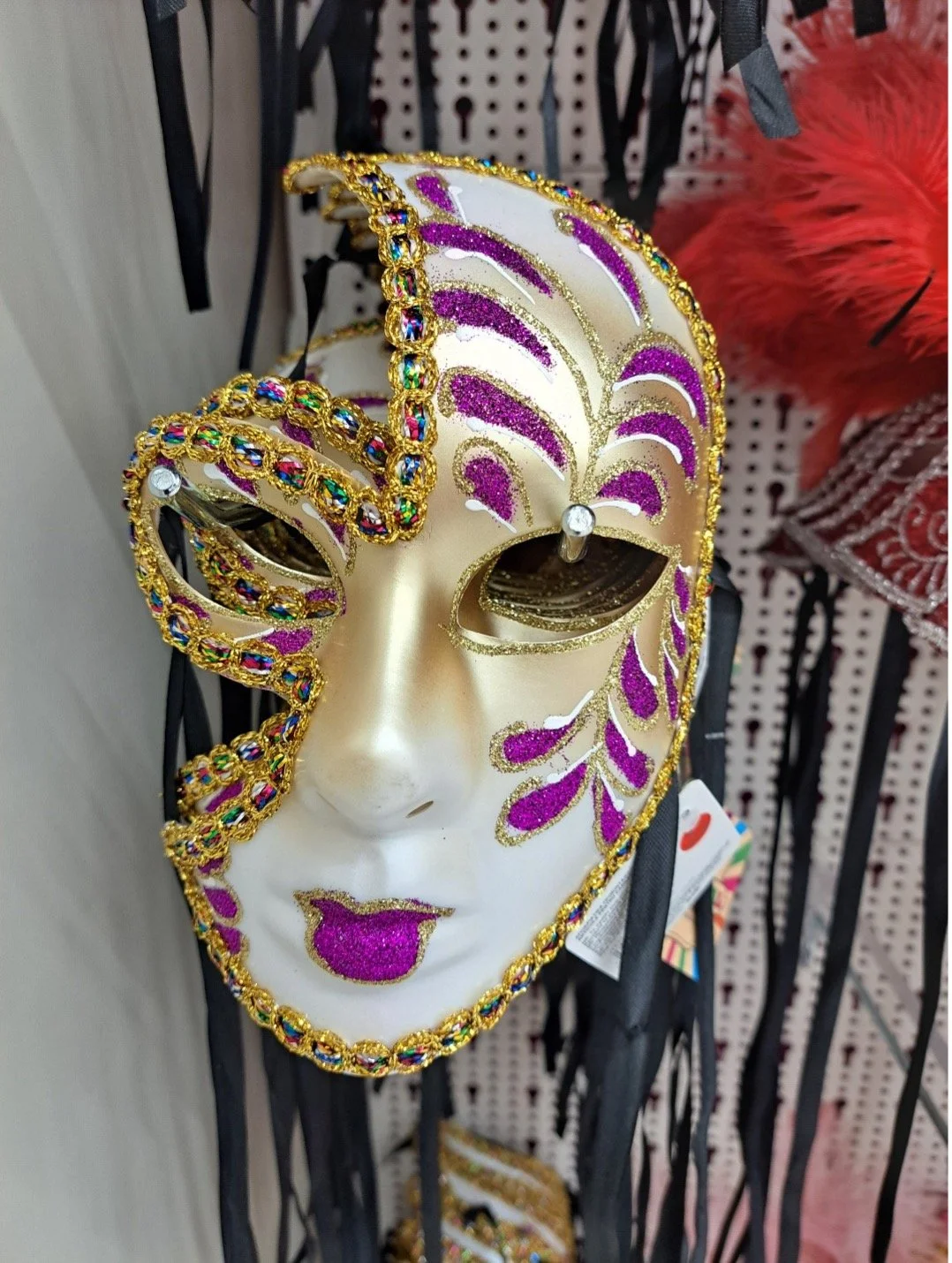
Masks displayed at Jumbo store in Nicosia.
The weeks leading to Easter are usually associated with the beginning of Spring and become alive with a delicate balance between celebrating and preparing for this holy journey that culminates with the resurrection of Jesus Christ on Easter Sunday, the foundation of Christianity.
Easter 2026 falls on April 12th for the Orthodox Church and on April 5th for the Catholic world. The reason it falls on different dates sometimes is that Orthodox and Western churches use different calendars and slightly different calculation rules.
The Catholic Church and most Western churches use the Gregorian calendar while the Eastern Orthodox Church calculates Easter using the older Julian calendar. The Gregorian calendar (introduced in 1582) corrected small timing errors in the Julian calendar and over centuries, those small differences added up.
This year the lent period in both churches coincides also with the fasting period during the holy month of Ramadan, observed by Muslims worldwide, which highlights a shared human rhythm of preparation, discipline, and renewal in Cyprus and Lebanon.
Tsiknopempti or Drunkard Thursday?
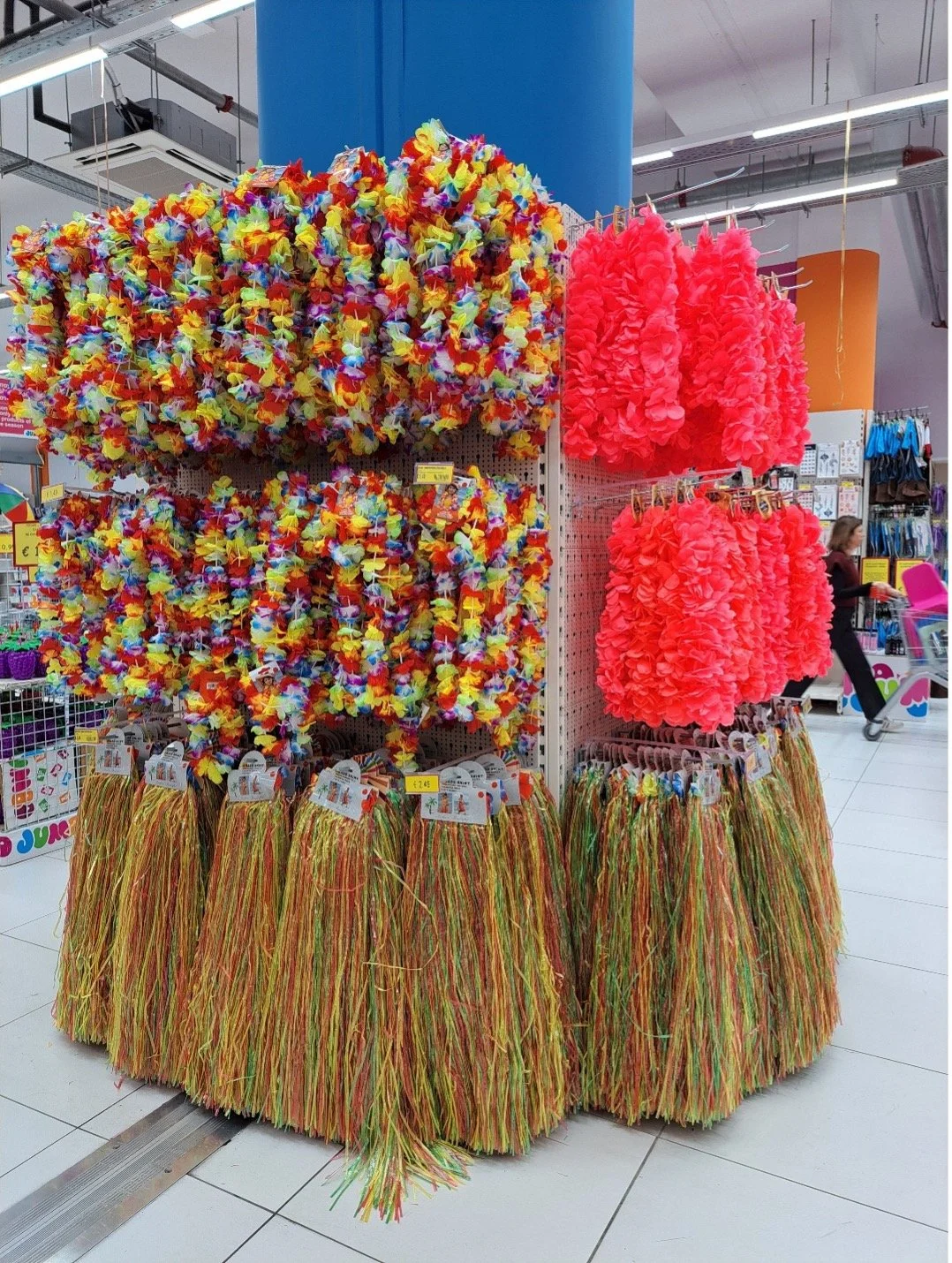
Carnival preparations in Cyprus
It all starts on the Thursday proceeding the Lent with several days. In Cyprus, Tsiknopemti “smoky Thursdays” gives the signal for the start of carnivals and street parties extending in different cities and villages, 10 days till Green Monday, when Lent starts.
The air fills with the aroma of roasting meats. Streets, balconies, and village squares become stages for community grills. Children run in colorful costumes, brass bands march through town, and neighbors greet each other with laughter and shared plates of grilled meat.
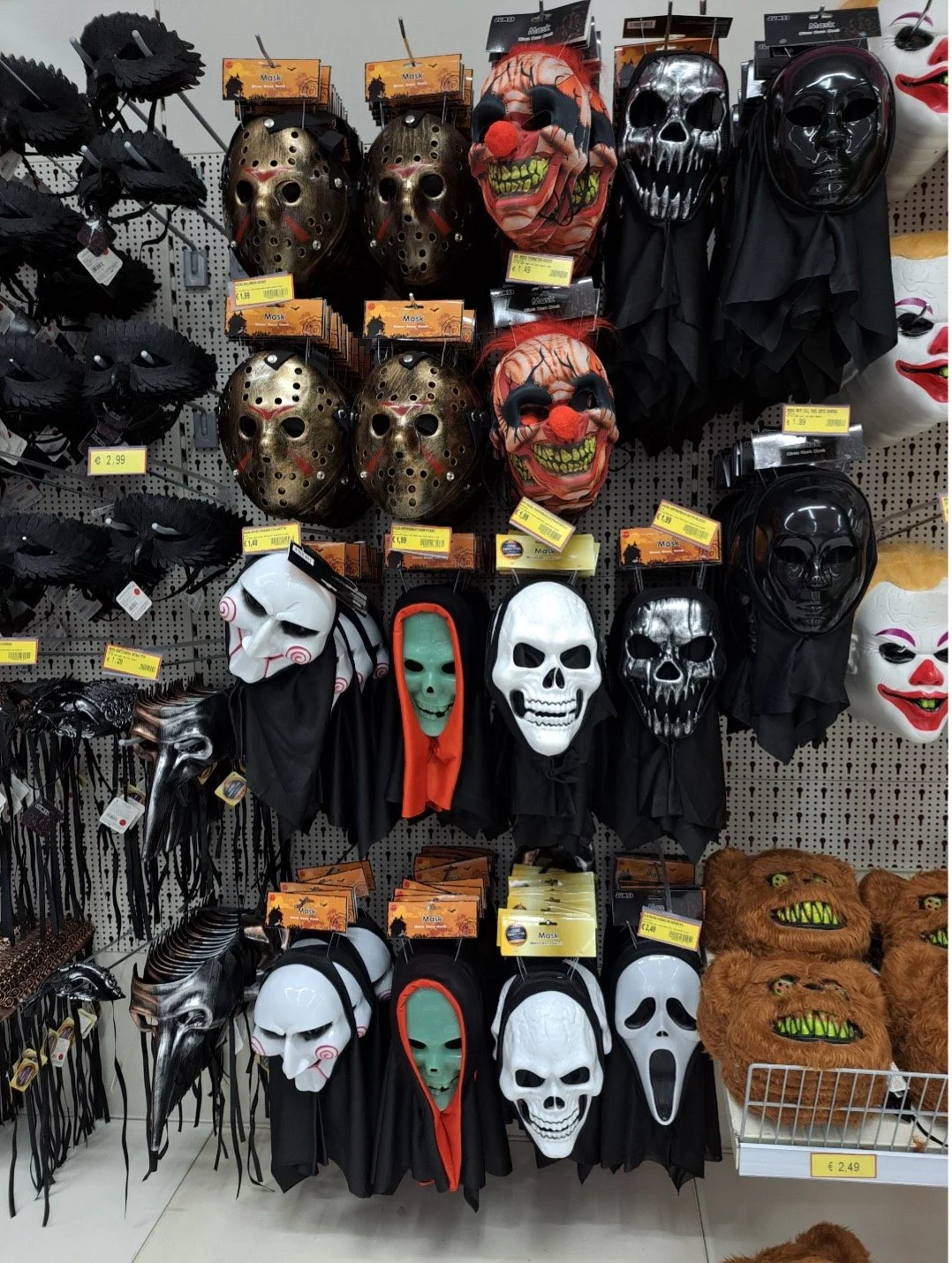
Variety of masks in Jumbo store in Nicosia.
Across the sea in Lebanon, the same day is known as Drunkards’ Thursday, but it comes four days before the start of the Lent. Here the focus is more on alcohol. Families gather mainly at homes for rich, meat-heavy meals, complemented with flowing wine and other spirits like Arak. Glasses are raised to the joy of life where indulgence feels familial, a final embrace of abundance before the solemnity to come.
Both traditions serve the same purpose: a final exhale of joy, a communal celebration marking the readiness for fasting and reflection.
Carnival in Cyprus

No carnival is complete without the air horns.
In Cyprus, Carnival begins weeks before the Great Lent in the Eastern Orthodox Church calendar and builds toward a final weekend of parades and celebration.
The heart of Cypriot Carnival beats loudest in Limassol, where parades fill the streets with floats and satire and children dress up as superheroes, queens, or traditional spring symbols. Confetti turn the seaside vibrant city into a stage
It is a joyful, theatrical, and a deeply communal event. Street parties during the carnival and night parties after dark especially in the area of the old castle in the city’s center.
Carnival is much more than costumes and parades, it’s a cultural, religious, and social turning point before the season of Lent.
Why is Carnival a transition?
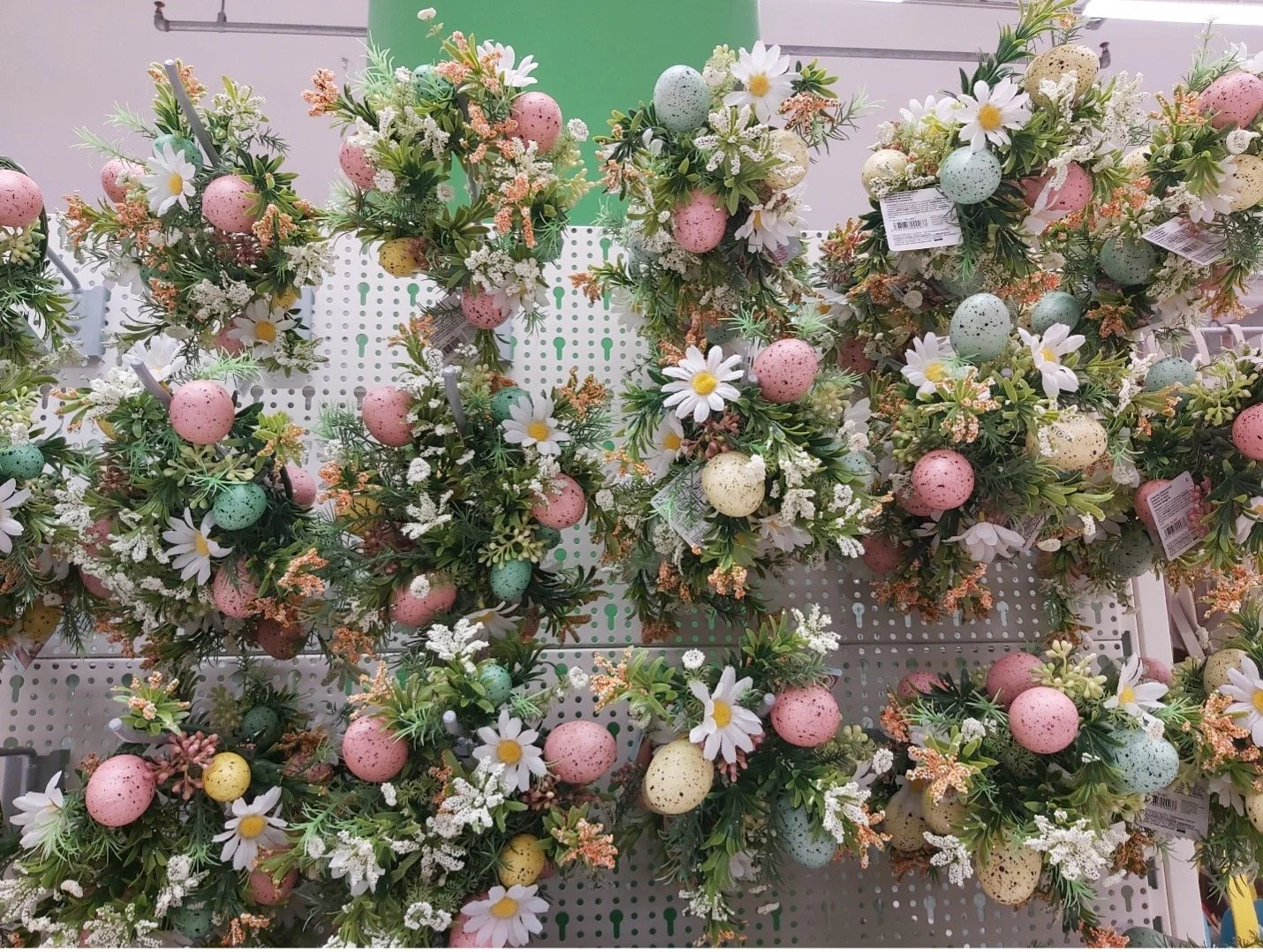
Easter preparations in Jumbo store.
The word Carnival is believed to come from Latin carne vale, meaning “farewell to meat.” It prepares believers emotionally and socially for the seriousness of Lent.
Carnival marks a transition, from indulgence to fasting, from noise to reflection, from winter to spring, from excess to renewal.
And that rhythm has shaped Mediterranean life for centuries.
Carnival often coincides with the end of winter and the approach of spring. In older European traditions, it symbolized the death of winter, fertility, and a celebration of life before agricultural cycles resumed
So even beyond Christianity, Carnival carries ancient themes of rebirth and transition. Its meaning combines celebration, release, identity, and spiritual preparation.
Carnival gives people permission to be loud, dress differently, dance publicly and simply let go.
Green Monday: start of the Lent
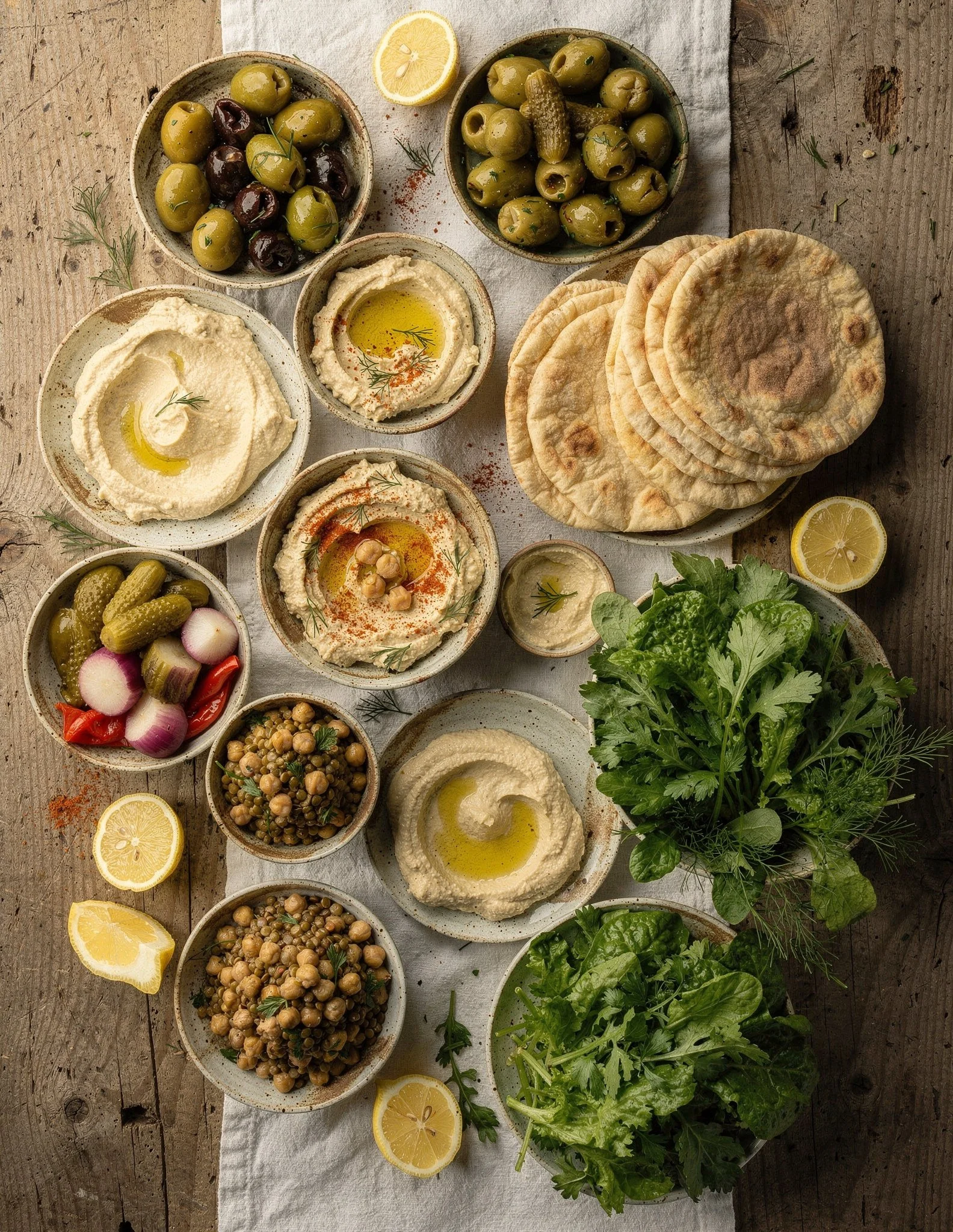
Green Monday: start of the Lent
Everything changes on Green Monday or Clean Monday in Cyprus, constituting the first day of Great Lent in Orthodox tradition.
Families head outdoors for picnics, flying kites and tables fill with: Lagana (unleavened bread), olives, tahini, taramosalata, fresh vegetables and halva (tahini-based dessert).
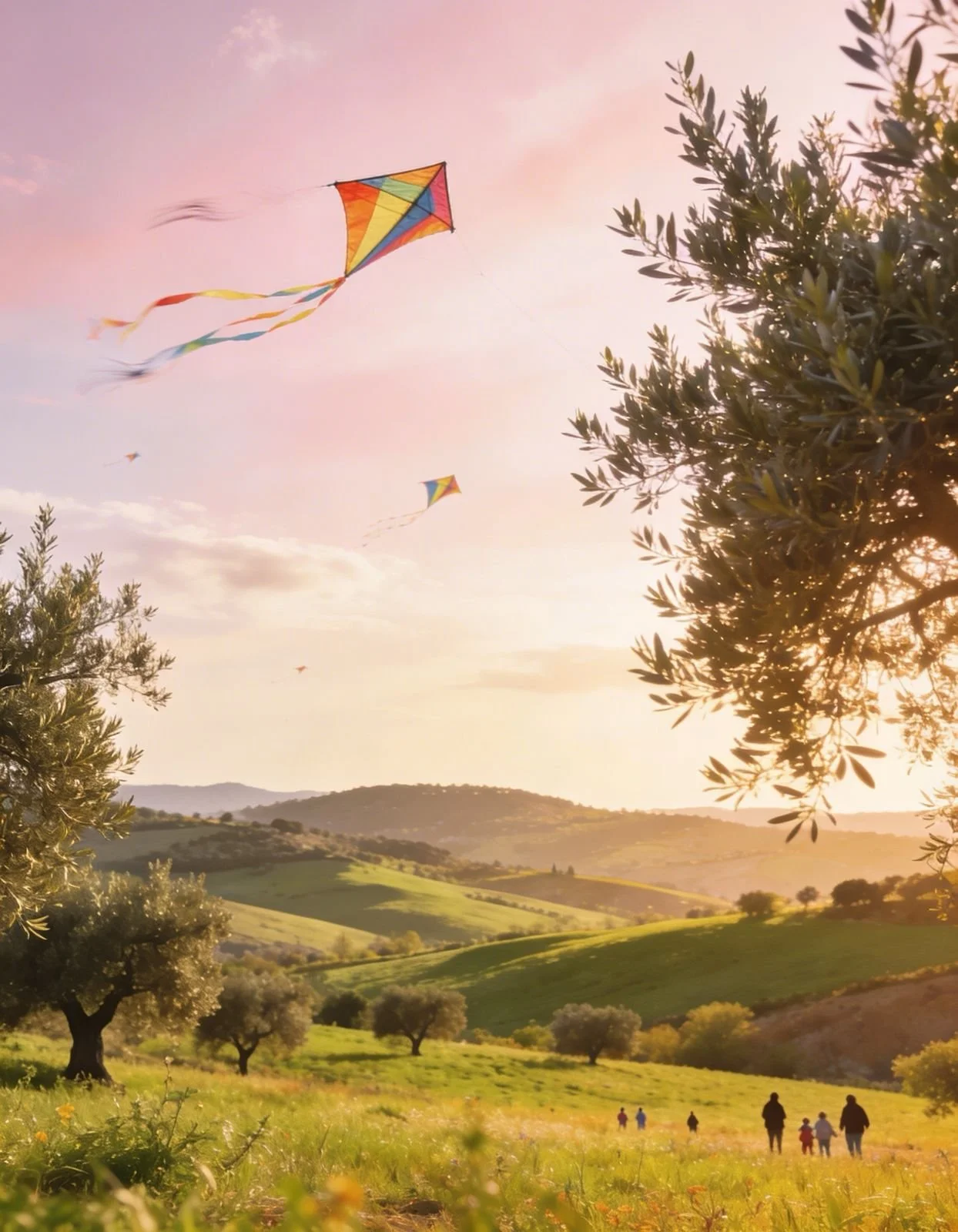
Flying Kites is a tradition on Green Monday in Cyprus.
Meat and dairy disappear from the table. The fasting period begins extends for 40 days of abstaining from animal products, though practices vary today.
In Lebanon’s Catholic communities, Lent begins on Ash Monday marked by the sign of the cross traced in ash on foreheads.
Meat is set aside, indulgences paused, and the faithful turn inward. Simple meals, prayer, and acts of self-discipline define the coming weeks.
Many choose to give up sweets, smoking, or other comforts and churches fill with quiet evening prayers.
Despite the differences in date and ritual, the spirit is the same: a deliberate shift from exuberance to restraint.
The mood becomes softer, slower and reflective.
Green tables … long before the “Mediterranean Diet”
During the 40 days of fasting before Easter, Cypriot and Lebanese tables resemble each other. In both countries, the cuisine turns plant-based long before the “Mediterranean Diet” which focuses on vegetables, fruits, legumes and fish, became a global trend.
What’s on the tables? Mujadara (lentils and rice) or its Cypriot equivalent Fages, spinach pies, along with Hummus, other legumes, stuffed vegetables, olive oil-rich dishes as well as simple breads.
It is a great welcome for the spring season and all the greens that come with it.
Lent represents restraint and sacrifice, till Easter brings resurrection and renewal.
Joy and sacrifice

Norma filming in Jumbo store in Nicosia.
The weeks preceding Easter in the Mediterranean, are more than festive days, it is a delicate balance between celebration and reflection. On two shores of the same sea, communities prepare for the same spiritual journey, each in their own distinctive way.
The Mediterranean does not separate religion from culture. It lives it: at the table, in the street, at home. Between Cyprus and Lebanon, Carnival and Lent tell the same story but in different ways, it is laughter and restraint.
Joy and sacrifice intertwining!
It is a cycle of life, feast then fasting then renewal embodied in Easter.
Et voilà! Those were some of the traditions and habits of our region and many more coming!
Five facts about Carnival and Lent:
The history of masks started long before Christianity with Ancient Greek theatrical acts and festivals, carnival absorbed these older customs and reinterpreted them within the Christian pre-Lenten period.
Limassol Carnival is the biggest in Cyprus and reflects Mediterranean warmth while other cities started organizing their own carnival. Its main events are: the Grand Parade, the Children’s Parade and Serenaders’ Night.
Rooted in Dionysian festivals which honored the god of wine and revelry, Limassol Carnival extends for 10 days before Lent and its first modern edition started in the late 19 th century.
Other Carnivals in Europe are organized mainly in Venice reflecting theatrical elegance and in Tenerife which is an international spectacle and in Patras which portrays youthful Greek energy.
The Carnival of Rio de Janeiro is the biggest in the world in terms of number of participants and scale of parades and its tourism impact.