Cyprus in Eurovision: A Journey of Pop Culture and the promise of “Jalla”
Cyprus will be represented in the 70th Eurovision Song Contest in May 2026 in Vienna with the song “Jalla” which was released early February, reflecting its tradition of presenting powerful ballads and energetic pop songs which has placed the island in the past among the top-ten finishes.
The song has already become a trend and the dance accompanying it is everywhere now, performed by young and adults as the simplicity of the moves helped it spread quickly across short-form video platforms.
Let’s discover together what the viral song performed by Antigoni is about and discover the story of Cyprus in this musical competition that has shaped European identity and unity through entertainment.
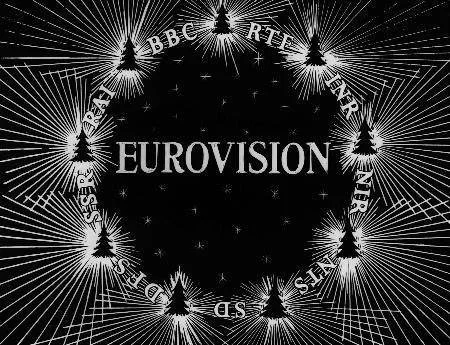
May 24th, 1956 - the very first Eurovision Song Contest was held in Lugano, Switzerland
What is Eurovision?
The Eurovision Song Contest is more than a music competition. It is one of the world’s largest live television events and a cultural institution bringing together European nations and other countries since 1956 through music, fostering cross-border cultural exchange.
Created by the European Broadcasting Union after World War II, Eurovision brings together today over 35 nations annually where each country showcases its language, identity and traditions.
Eurovision offers global visibility for small countries and is considered as one of the most inclusive global entertainment events celebrating cultural diversity.
At the same time the competition helped launch global superstars like the famous ABBA band who won the 1974 contest with their song “Waterloo”, and Celine Dion who won the 1988 contest for Switzerland.
The significance of this contest lies in its ability to combine music, culture, diplomacy, entertainment, and identity into one live event.
It is not just about who wins. It is about visibility, representation, unity, and the power of music to connect diverse nations on one stage.

This year Eurovision contest in Vienna
Entry conditions
The entry conditions evolve mainly around the originality of the song as it must be original, not longer than three minutes, and it cannot be commercially released before a specific date.
The rule concerning the language of the song changed over the years, where countries had to sing in their own official language. Today artists may sing in any language and that explains why English is the most popular one.
The contest extends over three nights each May and in 2026, it is comprised of two semi-finals scheduled on the 12th and 14th May with the final on May 16th.
Eurovision voting now gives each country two separate scores: one from juries of music professionals and one from public televoting.
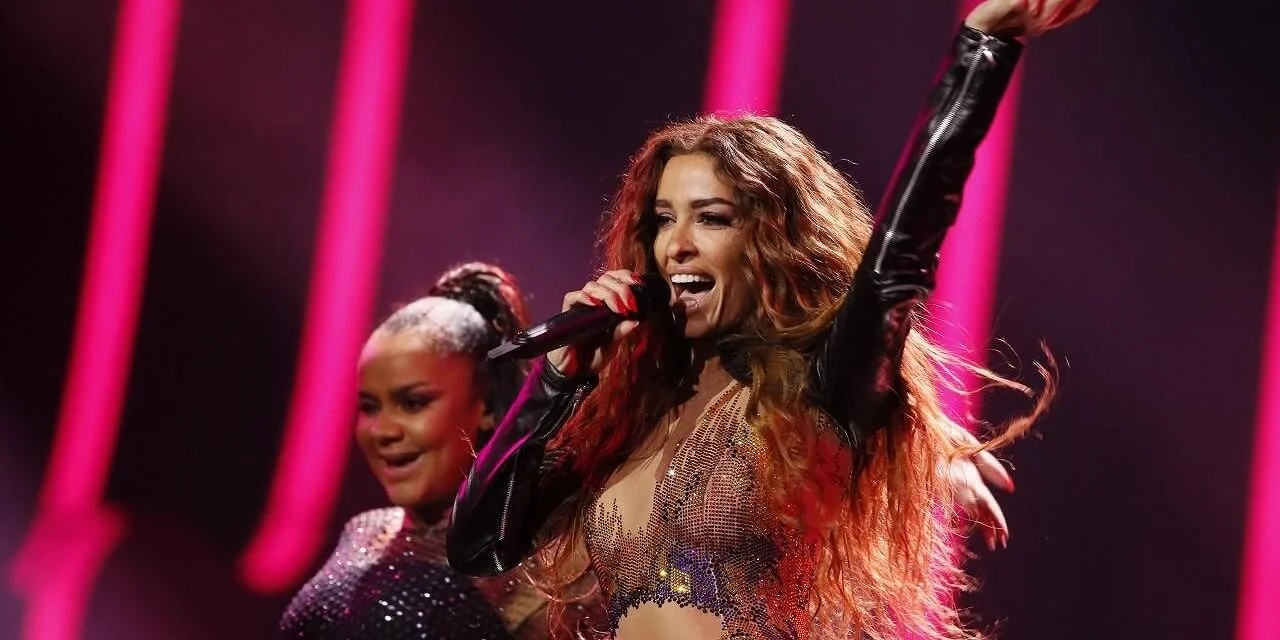
Eleni Foureira representing Cyprus was the favorite to win Eurovision 2018.
Early years and presence of Cyprus
Cyprus’s first entry was in 1981 with “Monika,” allowing the country to quickly gain a reputation for solid results and memorable staging.
The best result achieved by Cyprus was in 2018 when Eleni Foureira tore up the stage with “Fuego,” finishing second place, a performance that remains one of the most iconic in Eurovision history.
Cyprus saw numerous top ten finishes over the 1980s and 1990s, and gradually became known for dance anthems as well as cultural statements.
The signature for the island’s Eurovision strategy lies in the fact that it combines traditional roots with international pop along memorable choreography and staging.
And “Jalla” embraces all those components.
“Jalla”
The song “Jalla” performed by Antigoni, was selected by the Cyprus Broadcasting Corporation (CyBC). The word “Jalla” comes from the Cypriot Greek dialect and means “more”, a playful word that reflects a very Mediterranean feature: the love of life and abundance.
"Jalla" was composed by Antigoni Buxton, along with a team of songwriters including Charalambous Kallona, Connor Mullally-Knight, Demetris Nikolaou, Klejdi Lupa, Paris Kalpos and Trey Qua.
Musically, the song blends pop with Mediterranean influences, using traditional and modern finishes. It incorporates rhythmic beats, and a catchy, danceable chorus designed to appeal to an international audience while preserving the heritage of the island.
The video shot across Cypriot villages and landscapes is very cinematic, full of colors, dance and showing all age groups including small children, adults and old people in the village which portrays energy and joy, celebrating life and inviting Europe to join the dance and the party.
It shows Cyprus as both rooted in its heritage and looking to the future.
Controversy
“Jalla” quickly gained popularity and became one of the most talked about entries of the 2026 season. People love its easy and smooth tune that lingers in the memory as well as the dance which became a trend with many people trying the moves on social media.
At the same time, a group of artists, cultural and academic figures in Cyprus publicly criticized the music video for what they saw as misrepresentation of tradition and risky behavior especially scenes of motorcycles and activities that some felt didn’t reflect Cypriot cultural imagery. This prompted CyBC to edit the official video to remove controversial clips.
This kind of debate isn’t new for Cyprus as previous Eurovision entries had sparked public discussion as well, proving how serious this competition is taken culturally at home. In 2021 the song El Diablo also stirred controversy between modern pop fans and traditionalists.
Cyprus will perform “Jalla” in the second half of the second Semi-Final on the 14th of May in Vienna.
Who is Antigoni?
The singer of Jalla, Antigoni Buxton, known professionally as Antigoni, is a British-born singer-songwriter of Greek Cypriot heritage. She was born in 1996 in London and grew up with both British and Cypriot cultural influences.
She first gained wider attention as a contestant on the UK reality TV show Love Island (Season 8) and she is the daughter of television host Tonia Buxton, widely known for her series “My Greek Kitchen” and “My Cypriot Kitchen”.
Antigoni’s name is deeply rooted in Hellenic history and classic literature as well. In Greek mythology, Antigone (as spelled in the classical/English form) represents themes of duty, family loyalty, and standing up for one’s moral beliefs.
Antigone was the daughter of Oedipus and Queen Jocasta of Thebes, best known for her courage and loyalty when she defied King Creon by giving her brother Polynices a proper burial, even though it was forbidden. Like that she became a symbol of resistance to unjust authority.
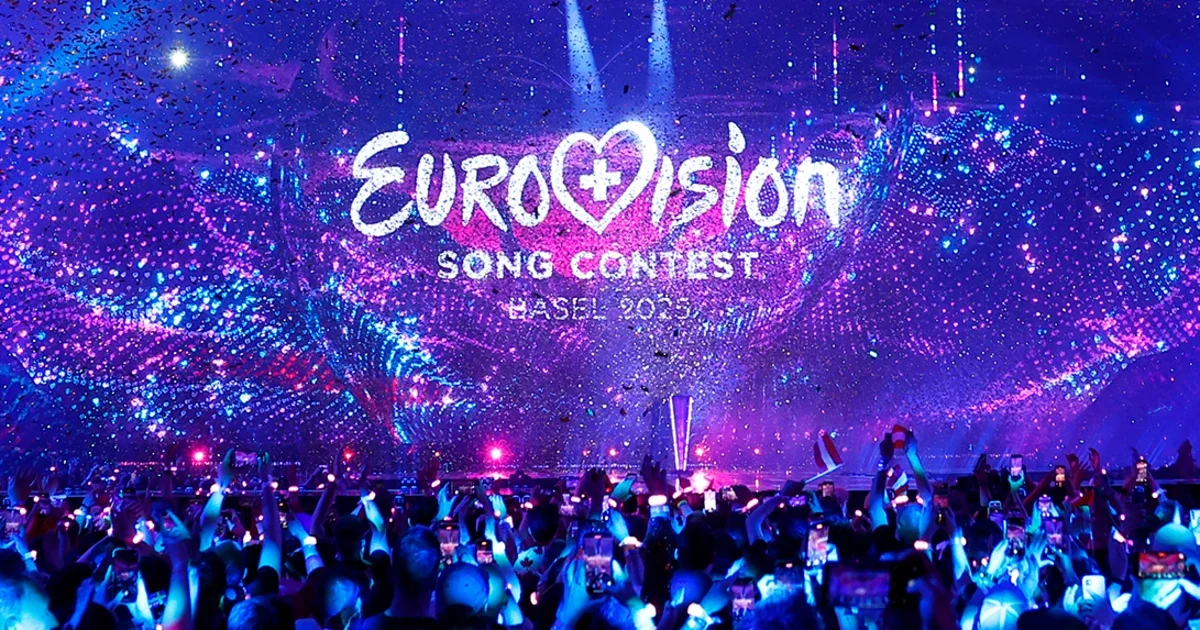
Last year Eurovision contest in Basel
A Celebration of Music
Regardless of the voting process and the competition to hold the trophy, the Eurovision Contest offers audiences worldwide a collective experience of joy, drama and surprise, proving that music can transcend borders.
It is a shared European ritual as it is a yearly tradition, a watch party event bringing people together in houses or cafes to follow the show and most important of all, it is a global celebration of music and fun.
Et voilà! All eyes turn now to Eurovision and may it be a big win for Cyprus!
Five Facts about the Eurovision Contest:
The first Eurovision Song Contest took place in 1956 in Lugano, Switzerland with the participation of only 7 countries where each performed two songs, something that has stopped since then.
Eurovision attracts around 150–200 million viewers worldwide each year, making it one of the biggest non-sporting live television events globally
Despite its European name, countries outside geographical Europe can compete if they are European Broadcasting Union (EBU) members.
Ireland holds seven victories including three consecutive wins in the 1990s, a record no other country has matched.
The Eurovision trophy is a handmade glass microphone, designed to resemble a classic 1950s microphone.