After the Holidays: A Fresh Start with the Mediterranean Diet
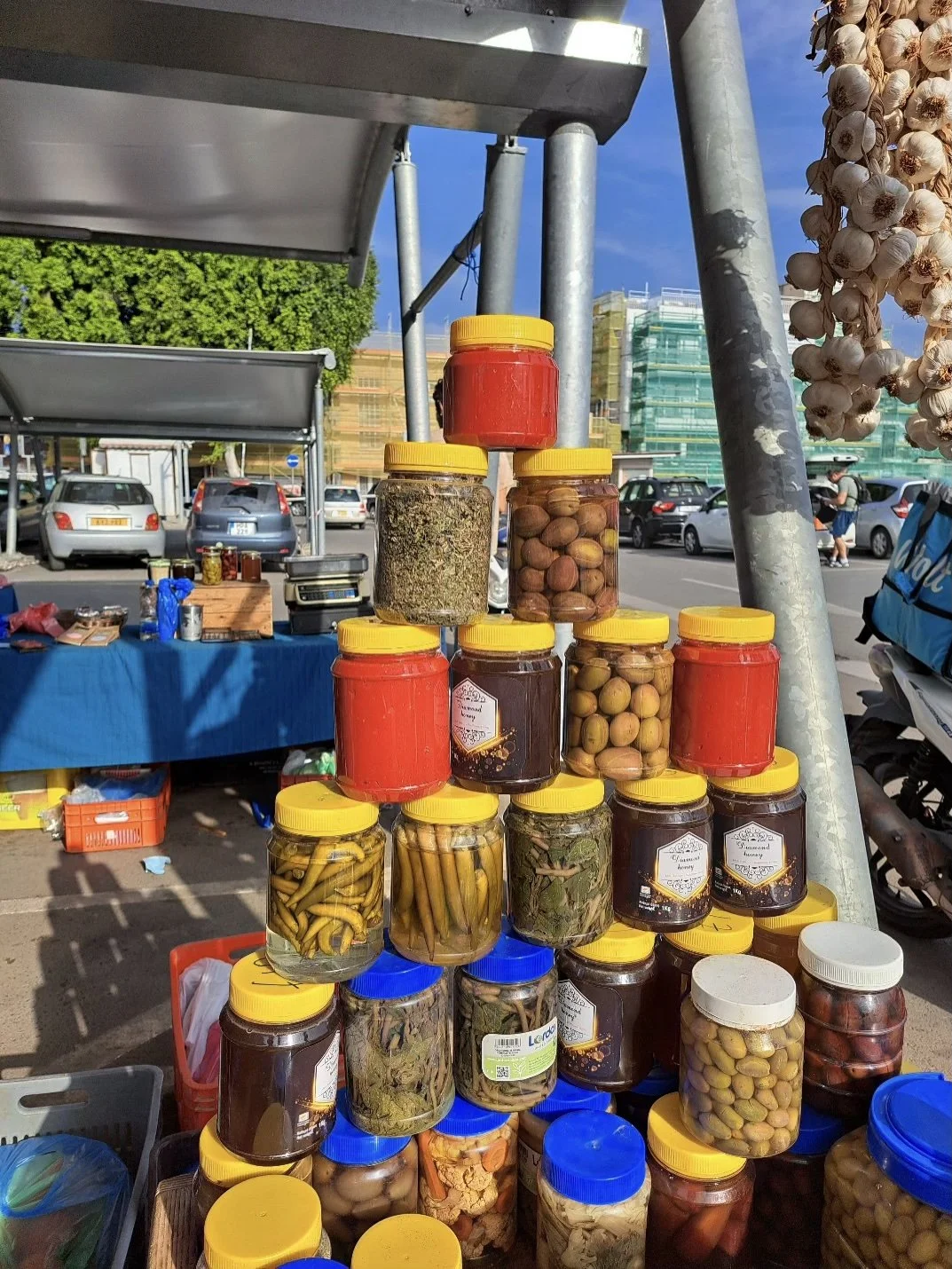
Olives, pickles, honey, chili peppers and fresh oregano displayed in fruit and vegetable open market in Nicosia.
As the New Year begins, many people set resolutions as a way to reset! The new year always feels like a “fresh start” making it easier to let go of old habits and focus on positive change. Resolutions often come from a desire for self-improvement, whether that means better health, learning something new, or building stronger routines.
And even though many people do not stick to their resolutions, the act of setting targets encourages reflection and optimism as well as hope that change is possible with effort and time.
One of the most common resolutions is dieting and loosing weight after weeks of indulgence during the festive season that starts from mid-December and extends till Epiphany Day on January 6, when the Armenian Christians and many eastern Orthodox churches also celebrate Christmas.
Those long weeks of celebrations often bring a desire to feel more energized and fit again. Rather than jumping into strict rules or quick fixes, one diet offers a balanced choice and a natural way out of the holiday season, encouraging healthy habits that truly last and become a lifestyle: it is the Mediterranean diet.
What is the Mediterranean diet?
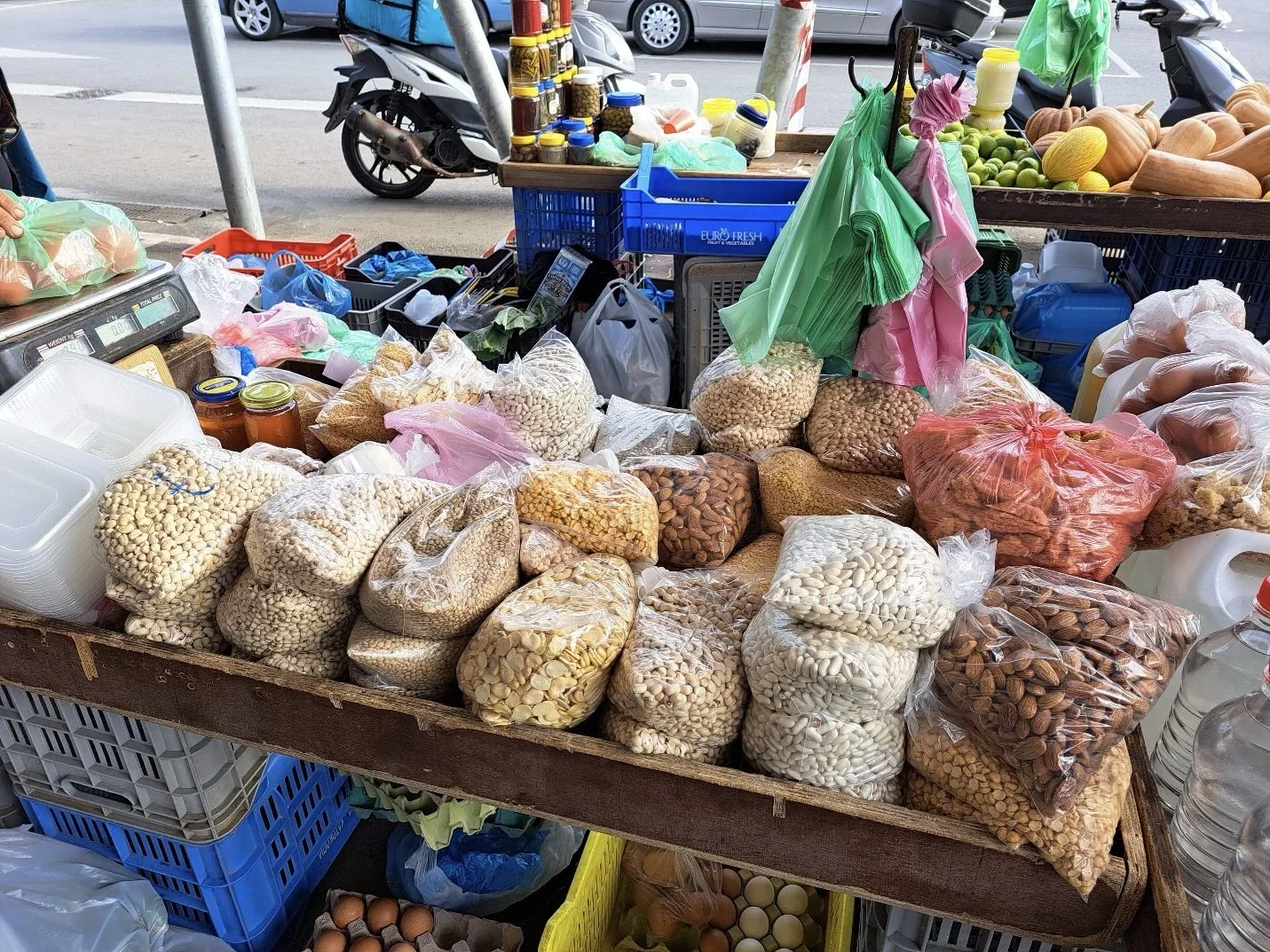
Legumes are a staple in the Mediterranean diet.
The Mediterranean diet is not a strict meal plan but rather a way of eating based on natural foods from countries around the Mediterranean Sea. Its foundations are vegetables, fruits, whole grains, legumes, nuts and seeds, fatty fish as well as the most important component: olive oil.
For the 8th consecutive year, this diet tops the U.S. News & World Report rankings, evaluated for nutritional completeness, health benefits, and sustainability. Recent rankings consider it the healthiest diet overall.
The Mediterranean diet is also inscribed since 2013 on the UNESCO’s Representative List of the Intangible Cultural Heritage of Humanity because it “involves a set of skills, knowledge, rituals, symbols and traditions concerning crops, harvesting, fishing, animal husbandry, conservation, processing, cooking, and particularly the sharing and consumption of food”, as it says on the United Nations Educational, Scientific and Cultural Organization’s website.
It also stresses the importance of social communication through the values of hospitality mentioning that “eating together is the foundation of the cultural identity and continuity of communities throughout the Mediterranean basin”.
What does the science say?
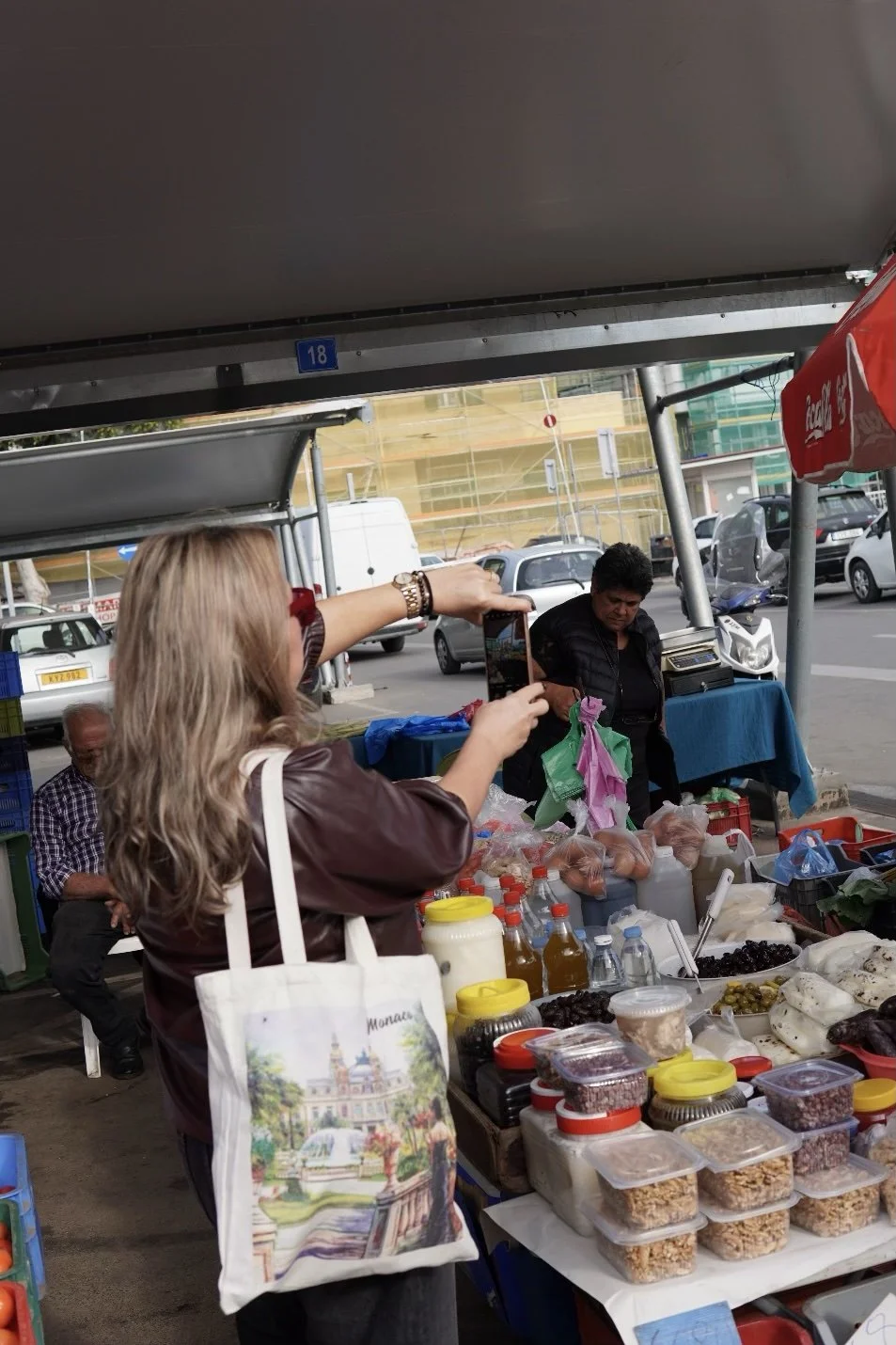
Norma in the fruit and vegetable market in old Nicosia.
The Mediterranean diet is associated with heart health, longevity, inflammation reduction, diabetes prevention, and possibly brain and metabolic benefits. Its high rank in expert diet lists reflects broad consensus.
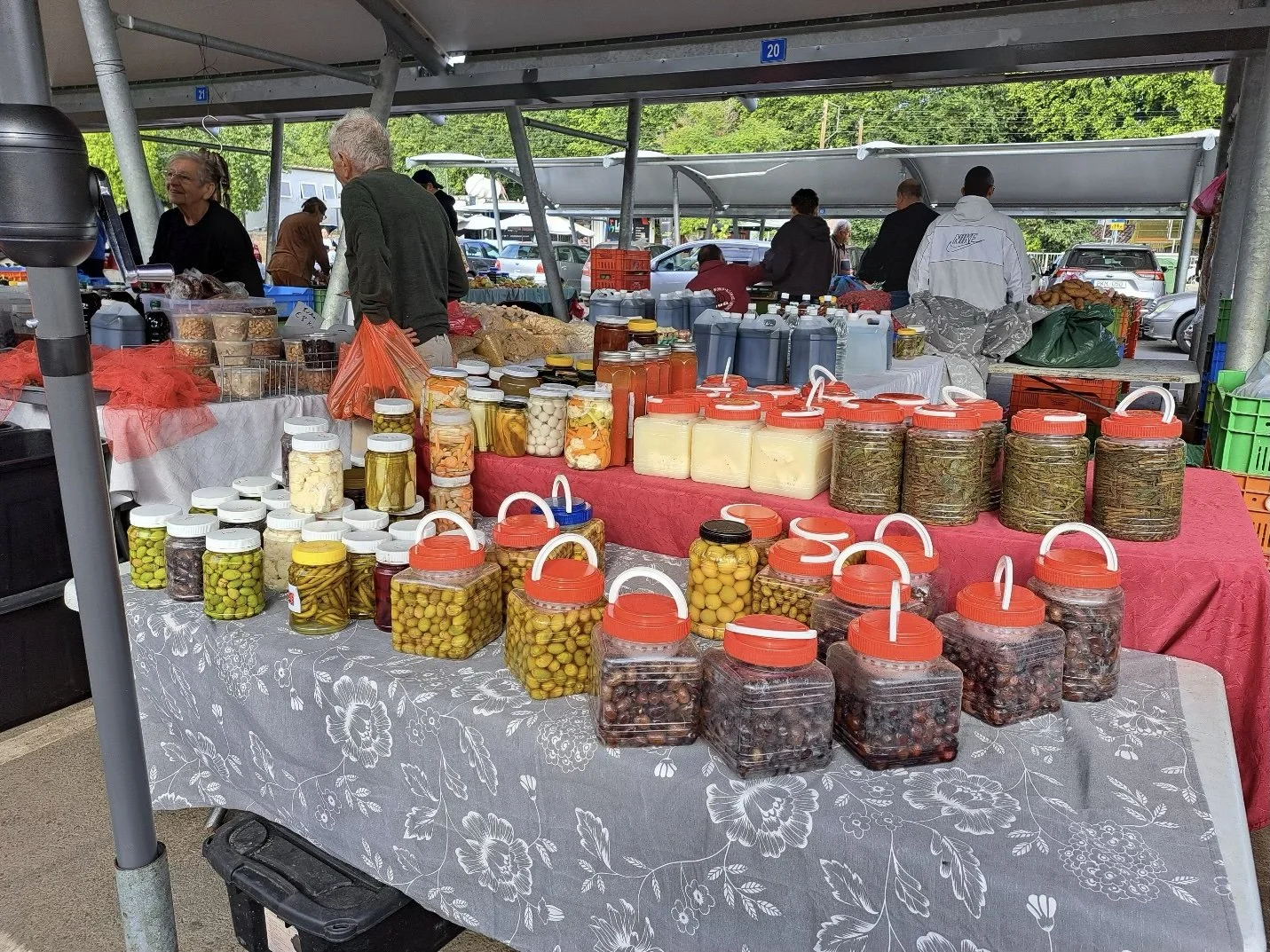
Green and black olives displayed in Nicosia’s fruit and vegetable market along with other local products.
I asked the Cypriot clinical dietician Niovi Kyprianou about the Mediterranean diet and she defined it as a “balanced, natural way of eating inspired by traditional eating habits in Mediterranean countries e.g. Cyprus, Greece, Southern Italy, Spain, Southern France, Tunisia, Lebanon, Morocco etc”.
On the origins of this diet she said “a classic example is the island of Crete in the 1950s, where people had exceptionally low rates of heart disease and lived long, healthy lives despite a relatively high-fat diet (most of which came from olive oil, nuts and fish). That observation actually sparked decades of scientific interest and research into their eating and lifestyle patterns”.
“It stands the test of time”

Local Cypriot products.
This diet focuses on whole, unprocessed foods, lots of vegetables, fruits, legumes, whole grains, and olive oil and it encourages enjoying meals, eating socially, and living an active lifestyle.
Mrs. Kyprianou, whom I met in her clinic in Nicosia, says also that the Mediterranean diet is mainly plant-based and contains “plenty of whole grain products, vegetables, fruits, legumes, nuts, with olive oil as the main fat (monounsaturated fat) with less meat and poultry but more fish (for omega-3s), while dairy, eggs are moderate” stressing on the importance of “daily physical activity and traditional meal patterns”.
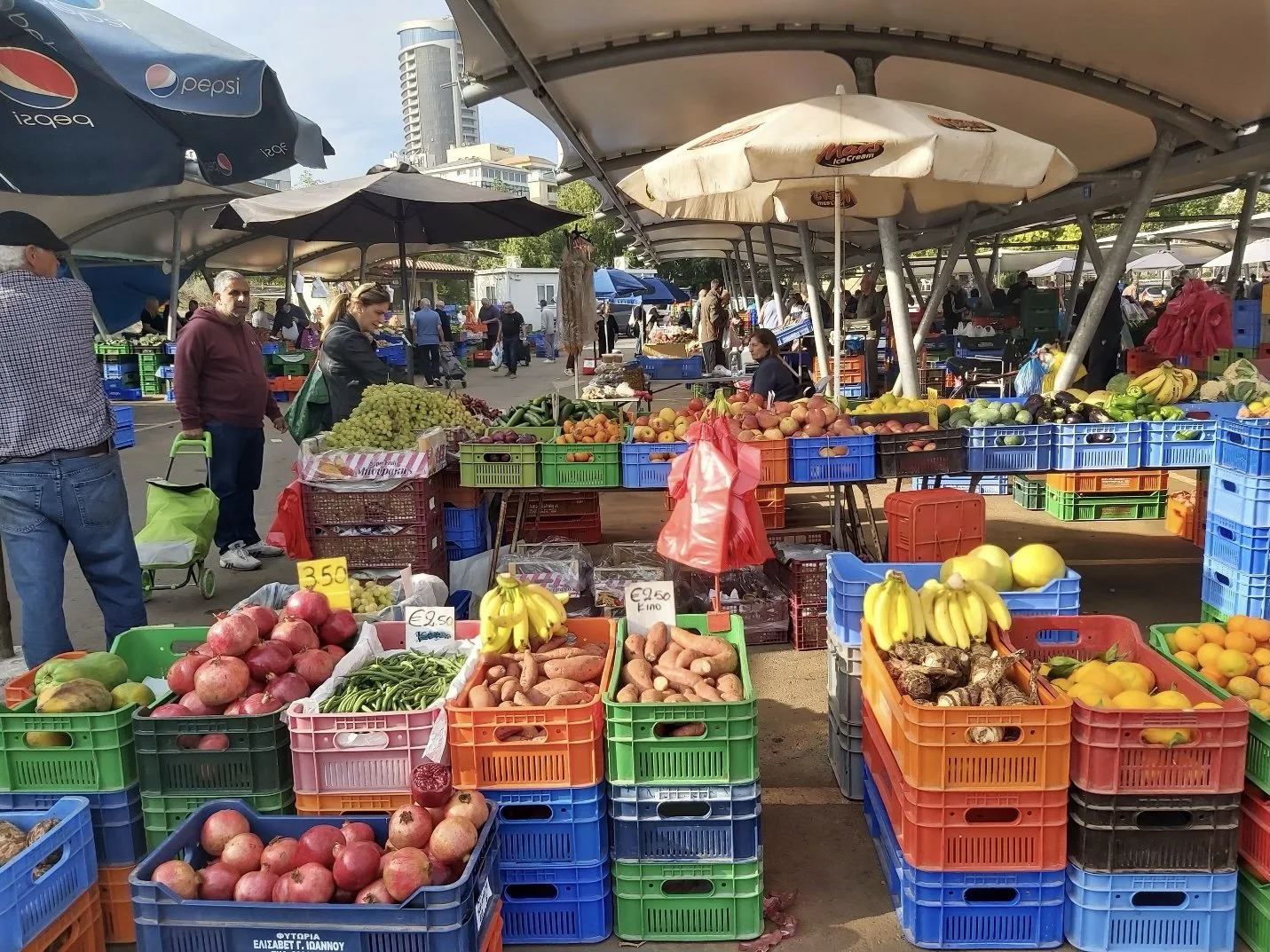
Fruits displayed in Nicosia’s fruit and vegetable market in the old town.
As for the health benefits she points to lower risk of heart disease, diabetes and perhaps for some cancers as well as better longevity, reduced inflammation, and improved metabolic health. These Mediterranean foods provide fiber, vitamins, minerals, and antioxidants, which support heart, gut, and overall health. It is rich in monounsaturated fats and polyphenols, which are linked to lower inflammation and better heart health.
Compared to other trendy diets, she says “I think it’s one of the most realistic and well-rounded eating patterns out there. A lot of trendy diets cut out entire food groups or tell you what you “can’t” eat. The Mediterranean Diet gives you freedom, variety, and balance. And it’s backed by decades of research. So, while other diets come and go, this one really stands the test of time”.
How to incorporate this diet as a lifestyle?
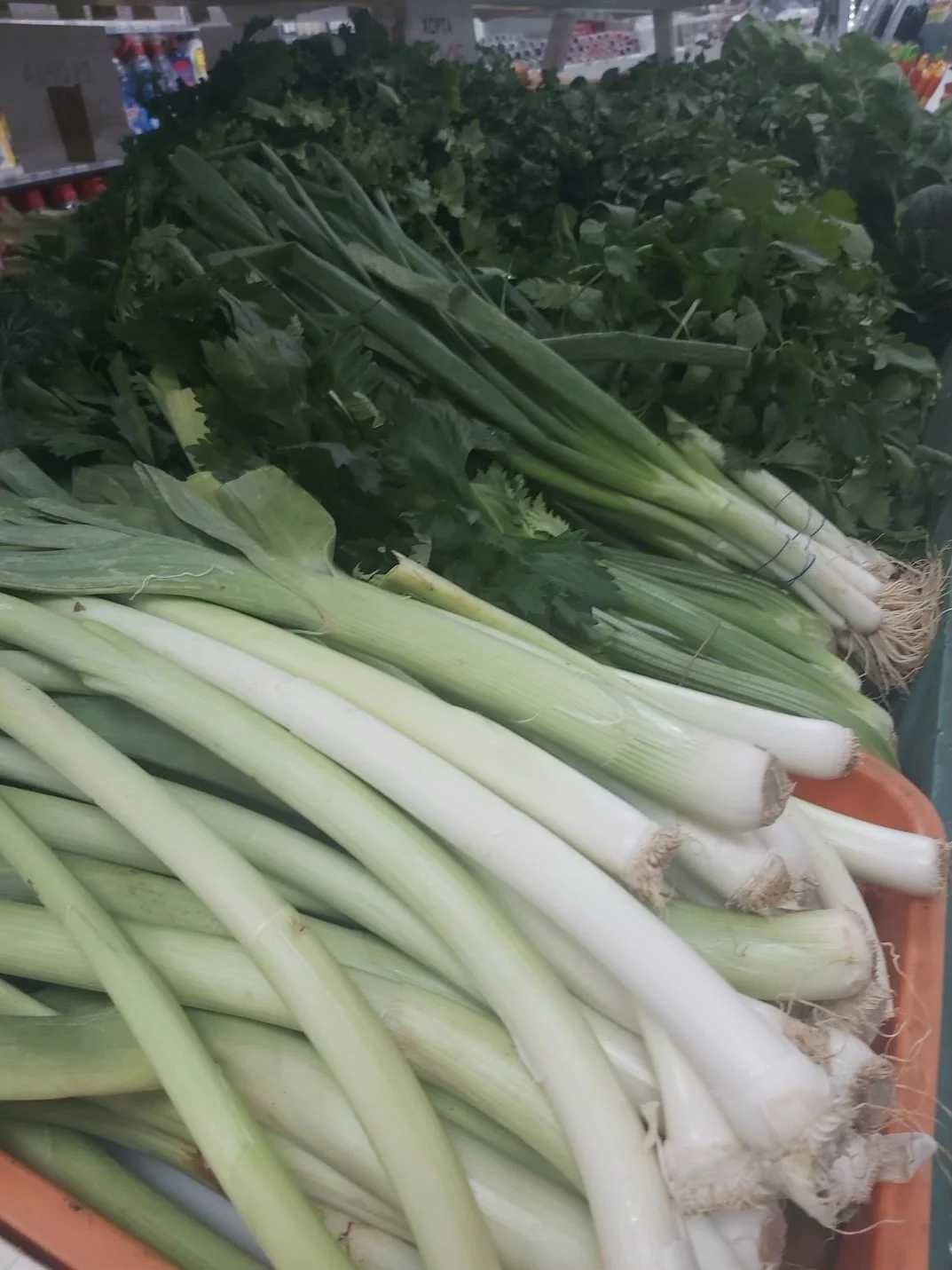
Fresh greens in a store in Nicosia.
The best tips to sustain this diet are to “switch to olive oil, eat vegetables with your meals, choose whole grains, and include legumes a few times a week. Try to eat fish more often, especially fatty fish such as sardines, sea bream, and sea bass” as Niovi Kyprianou recommends.
She adds that “snacks can be simple: nuts, yogurt, and fruit. You don’t need to change everything at once. Just begin with a few habits and build from there”.
This diet can be easily sustainable for the long term and unlike other diets it is more of a lifestyle change rather than restrictive eating.
The clinical dietitian Niovi Kyprianou points out also that “the diet in Mediterranean countries is even more sustainable because we’re lucky we already have the local produce: fresh vegetables, good quality olive oil, local fish, herbs, legumes and fruit, which form a part of our cultural identity”.
She concludes that “the Mediterranean Diet brings us back to those roots. It’s enjoyable, it fits into everyday life, and it supports long-term health. It can definitely be a lifestyle”.
A Sample of a daily meal
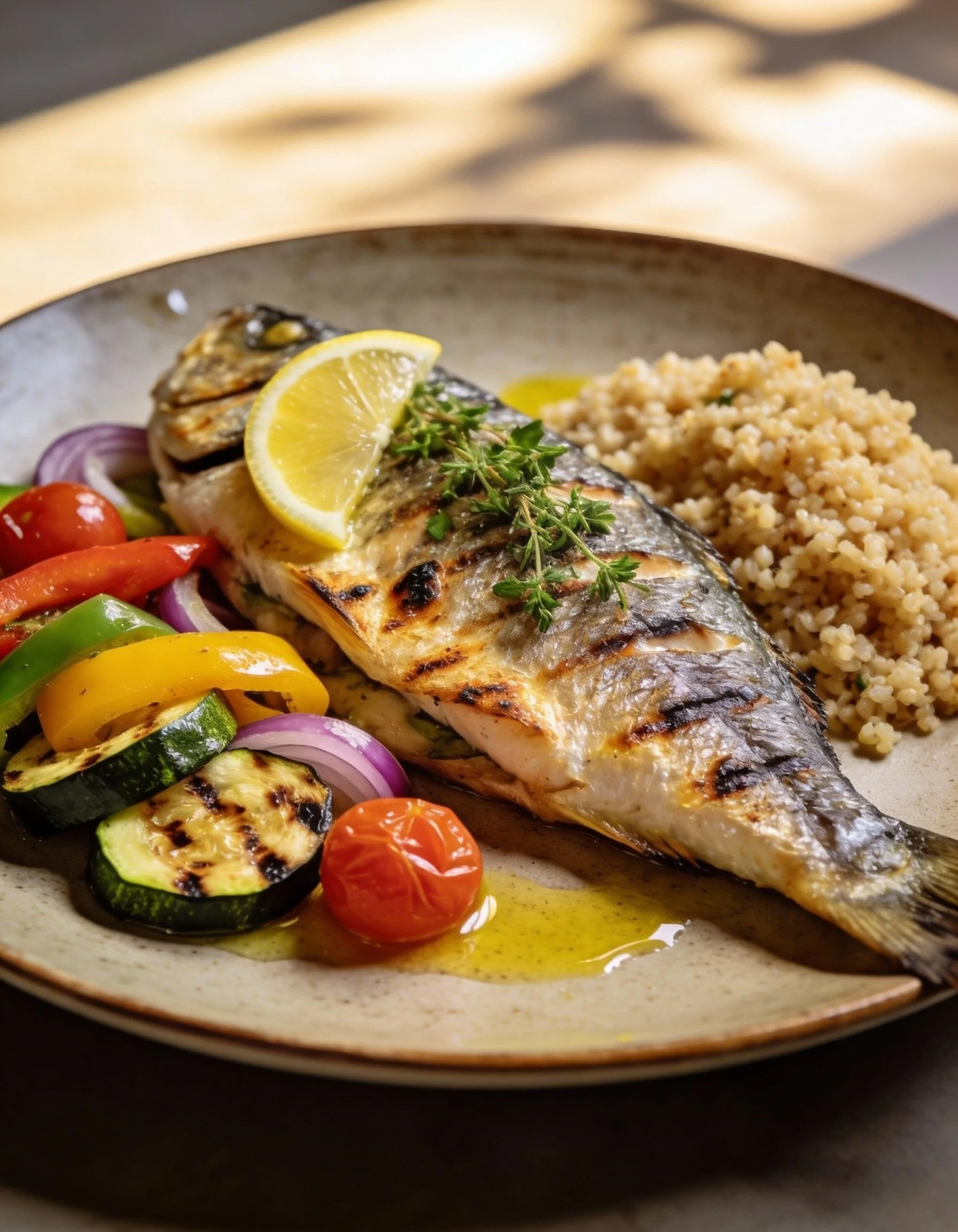
Sample Meal
Meals are based on foods that are close to their natural form with home-cooked meals made out of fresh ingredients using herbs and spices, instead of lots of salt or sugar. This pattern includes also eating meals slowly and socially.
A typical meal would be like the following:
Breakfast: oatmeal cooked with milk or a plant-based milk topped with sliced banana or berries, chopped walnuts or almonds, cinnamon with a drizzle of honey.
Morning Snack: a fruit or a handful of nuts
Lunch: a large green salad with feta and chickpeas or lentils
Afternoon snack: some almonds or fresh fruit or raw vegetables like carrots or celery or cucumber or bell peppers with hummus or tzatziki, or Greek yogurt.
Dinner: grilled or baked fish (salmon, sardines, or cod), roasted vegetables (zucchini, peppers, onions) quinoa, bulgur wheat, or brown rice. Olive oil and herbs are used for flavor and herbal teas are common all day.
Et voilà! Bon appétit! Let’s discover in the coming blog another highlight of the Mediterranean food culture.
Five facts about the Mediterranean diet:
This diet is linked to slower brain aging and improved cognition. According to a Harvard study, people who followed it had less brain shrinkage.
People on the Greek island of Ikaria record one of the highest life expectancies in the world due to their Mediterranean diet and physical activity.
The Mediterranean diet, recognized as an Intangible Cultural Heritage of Humanity by UNESCO, is promoted by 7 communities: Croatia, Cyprus, Greece, Italy, Morocco, Portugal, and Spain.
Apart from its health benefits, the Mediterranean diet is celebrated worldwide for encouraging communal bonds and social connections through shared meals.
The ideal meal from the Mediterranean diet would be grilled fish (quarter of the plate) whole grains like brown rice or quinoa (quarter of the plate) and vegetables (half the plate) drizzled with olive oil, combining protein, fiber and healthy fats.