“Bella Ciao”: A song of resistance and labor struggles
In this section, we remember iconic songs that shaped generations and discover their significance, meaning and symbolism.
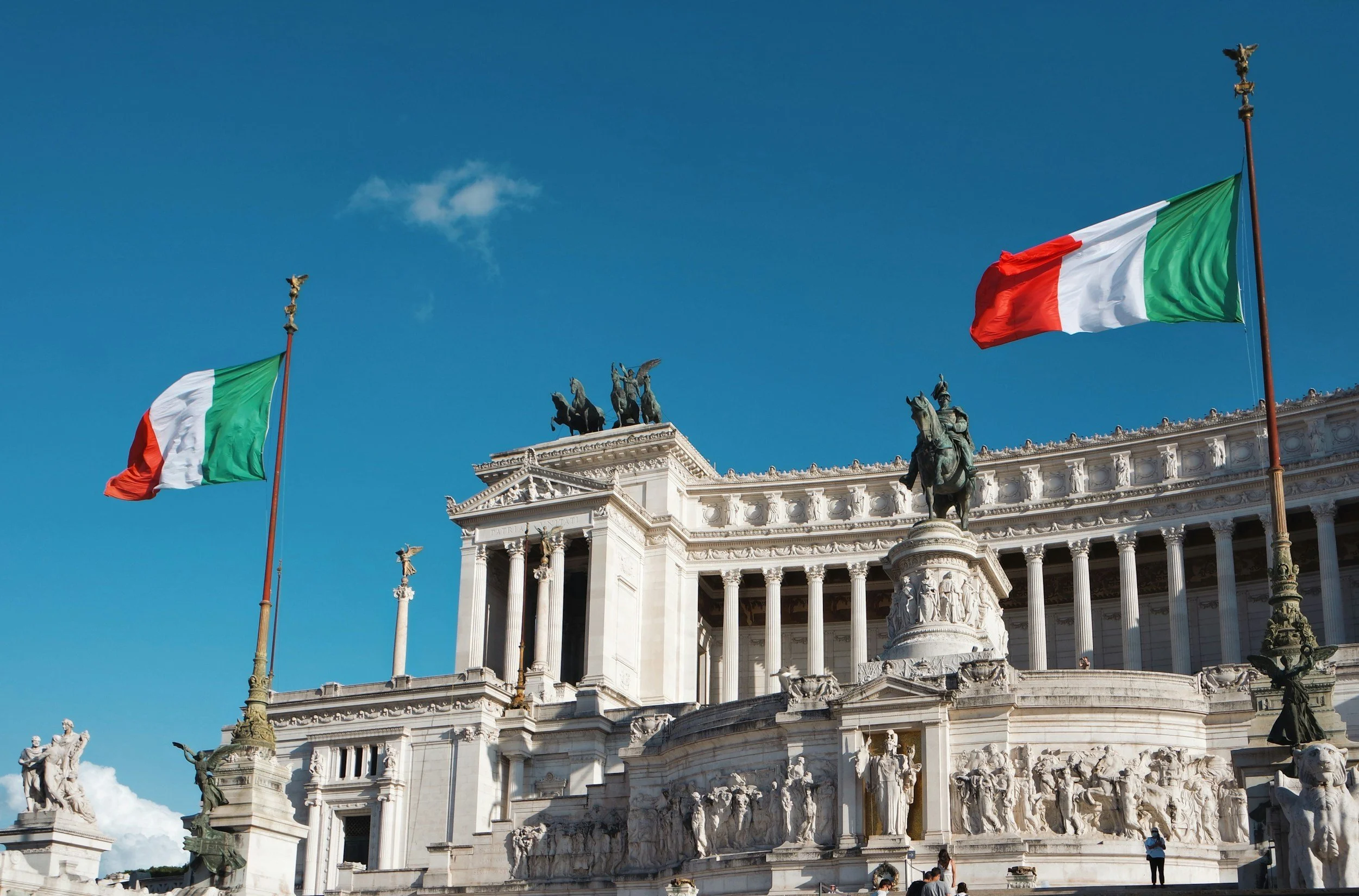
The Italian song “Bella Ciao” carries a rare dual legacy, connecting both Liberation Day celebrated in Italy on April 25th, and Labor Day on May 1st through its powerful message of solidarity, before becoming a global anthem of resistance.
On both occasions the song echoes during marches and protests as Italy commemorates the end of fascist rule. What makes “Bella Ciao” so powerful is its continuity: it speaks both to the worker in the fields and the fighter in the mountains, connecting economic struggle and political liberation.
Originally sung by the mondine, women working in the rice fields of northern Italy, the song expressed harsh working conditions and the desire for dignity and freedom. In this early form, it became a quiet anthem of labor struggle, reflecting the hardships that later inspired broader workers’ movements celebrated on International Labor Day on May 1st.
During World War II, “Bella Ciao” was adopted by Italian partisans fighting against fascism and Nazi occupation. It transformed into a resistance anthem, symbolizing sacrifice and the fight for freedom.
While the original version of the mondine was interpreted as women workers bidding goodbye to their beauty and youth lost in the midst of hard work, the later version tells the story of a partisan saying goodbye to his lover: “this is the flower of the partisan, oh bella ciao, bella ciao, bella ciao, ciao, ciao, this is the flower of the partisan who died for freedom”.
In recent times, the same song echoed when Italy went into lockdown during the pandemic Covid-19 becoming the first Western country to impose a nationwide closure in March 2020. People started singing “Bella Ciao” from their balconies to show solidarity during confinement and support to the healthcare workers as well as resilience.
Many faces for the same song. Today, “Bella Ciao” continues to echo at protests, commemorations, and cultural events, standing as a timeless symbol of resistance, freedom, and workers’ rights.