Why does Plato’s Cave still matter?
In this section we go through enduring sayings that still resonate, we read them to reflect on our own lives and choices.
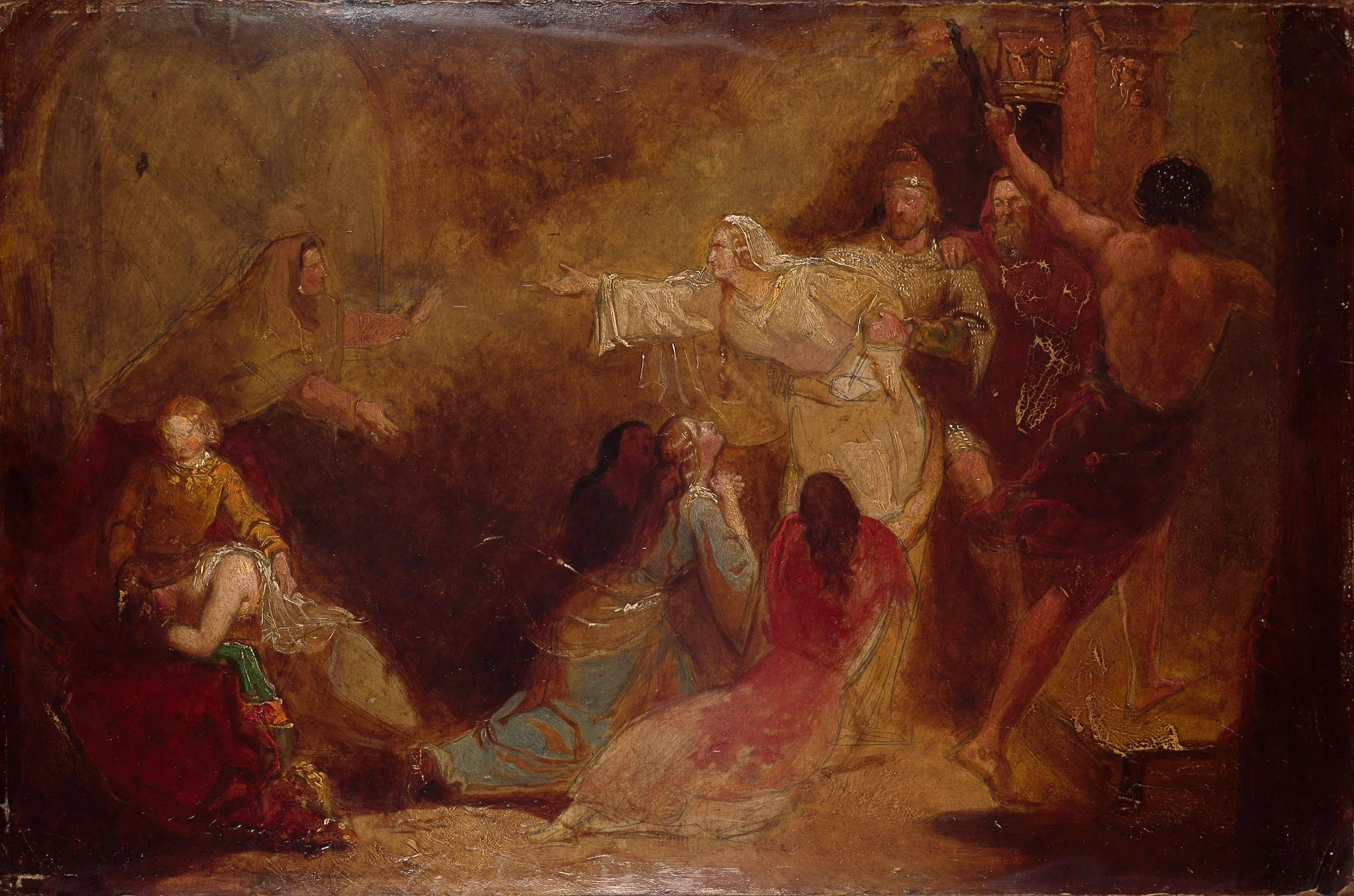
Birmingham Museums Trust
“The prisoners would believe that the truth is nothing other than the shadows of the images”
This quote from the Allegory of the Cave section in Plato’s most important work, “The Republic” carries a philosophical and political image of people, prisoners, chained in a cave mistaking shadows for reality.
The allegory is about perception and power, and the prisoners confined to watching shadows cast on a wall, represent societies that accept appearances as truth.
This line summarizes the core of the allegory: human beings can mistake appearances for reality when they lack awareness or critical perspective.
Philosophically, this exposes the danger of unquestioned perceptions, of inheriting beliefs from society without examining their origins. Like the prisoners, we may feel certain we understand the world, while in fact engaging only with partial or distorted representations of it.
The allegory goes further: when one prisoner escapes and encounters the real world, the process is painful and disorienting. Truth is not immediately comforting, it requires adjustment, and the willingness to abandon familiar illusions.
When that person returns to free the others, prisoners reject him or even attack him, reflecting a human nature that considers truth as a challenge to collective comfort.
This analysis of humankind still echoes today, as those who challenge dominant narratives, whether at work, in politics or in everyday life, are often met with suspicion or hostility.
Plato’s image also applies in the political systems as it is used to shape what people believe to be real, it is a tool of influence to control the public mind.
More than two millennia later, the Allegory of the Cave continues to resonate because it speaks to a timeless condition: the struggle to distinguish illusion or manipulation from truth! And the key remains questioning perceptions to reach enlightenment and knowledge.
(Plato was an ancient Greek philosopher (c. 427–347 BCE) and one of the most influential thinkers in Western history. A student of Socrates and teacher of Aristotle, he explored fundamental questions about reality, knowledge, justice, and human nature).