Brussels: A City of Two Capitals
Brussels is a city of subtle contrasts, where the local and the European coexist in remarkable proximity.
I went for a walking tour on a warm morning, only to find that the city reveals itself in unexpected ways.
At first glance, it feels unmistakably Belgian: elegant squares, Art Nouveau façades, chocolate shops, cafés spilling onto pavements, and the irresistible scent of waffles and fries. Yet look a little closer, and another identity emerges.
Brussels is not simply the capital of Belgium, it is also widely known as the capital of Europe, home to the principal institutions of the European Union and a city where dozens of nationalities, languages and cultures meet every day.
This dual identity is what makes Brussels so fascinating.
The capital of Belgium
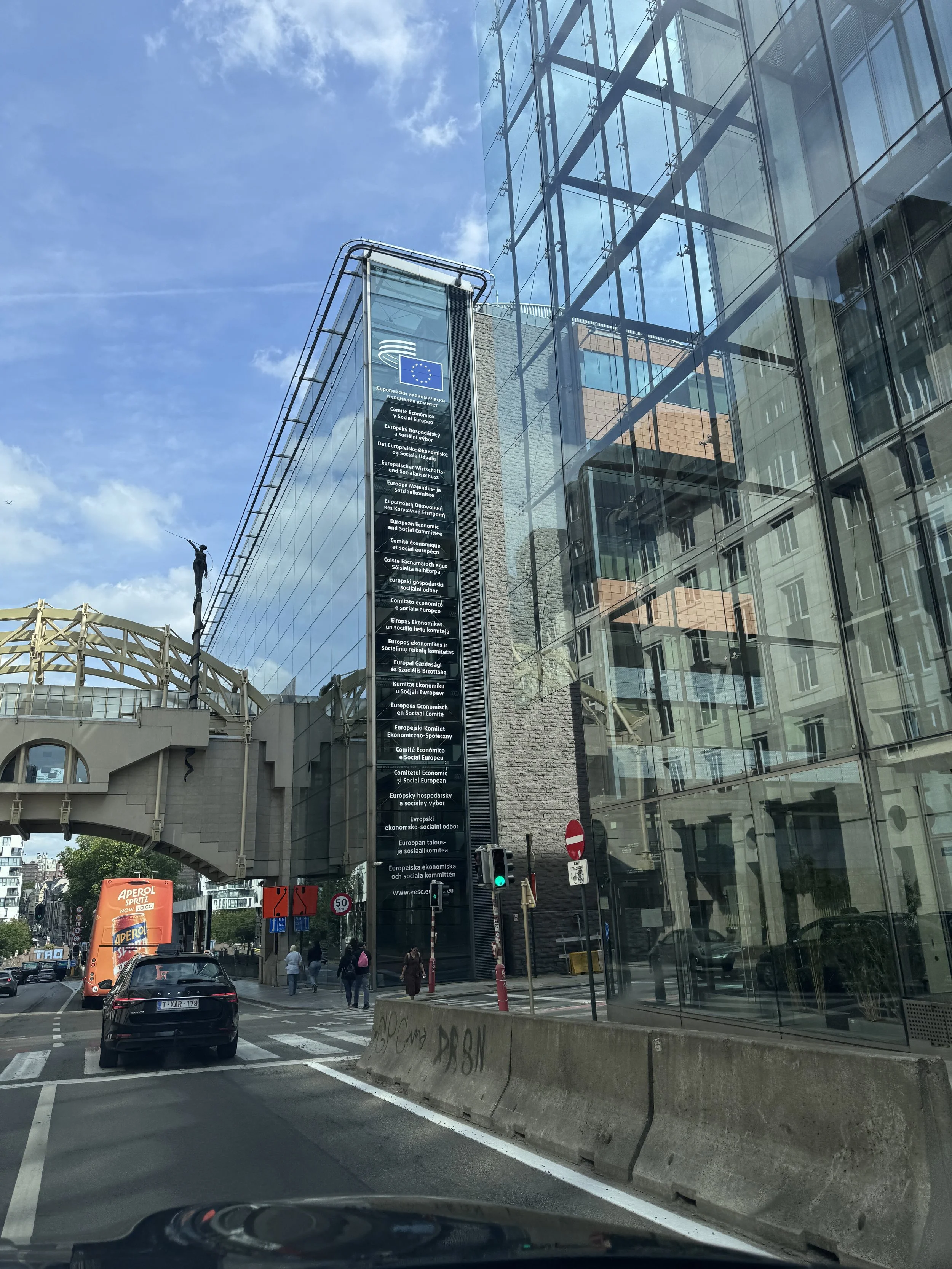
The European quarter in Brussels.
Brussels became the capital of the newly independent Kingdom of Belgium in 1830. Today, it is the country's political and administrative center, home to the Belgian federal institutions, the Royal Palace and the country's major cultural institutions.
But Brussels is not defined only by politics.
Its historic center, particularly the Grand-Place, reveals a city shaped by centuries of commerce, craftsmanship and cultural exchange. Flemish and French influences coexist with Art Nouveau architecture, international restaurants and neighborhoods that feel distinctly cosmopolitan.
It is a city where a traditional Belgian beer can be enjoyed around the corner from an international headquarters, and where a centuries-old square sits comfortably within a thoroughly modern European capital.
Then came the second identity: Europe
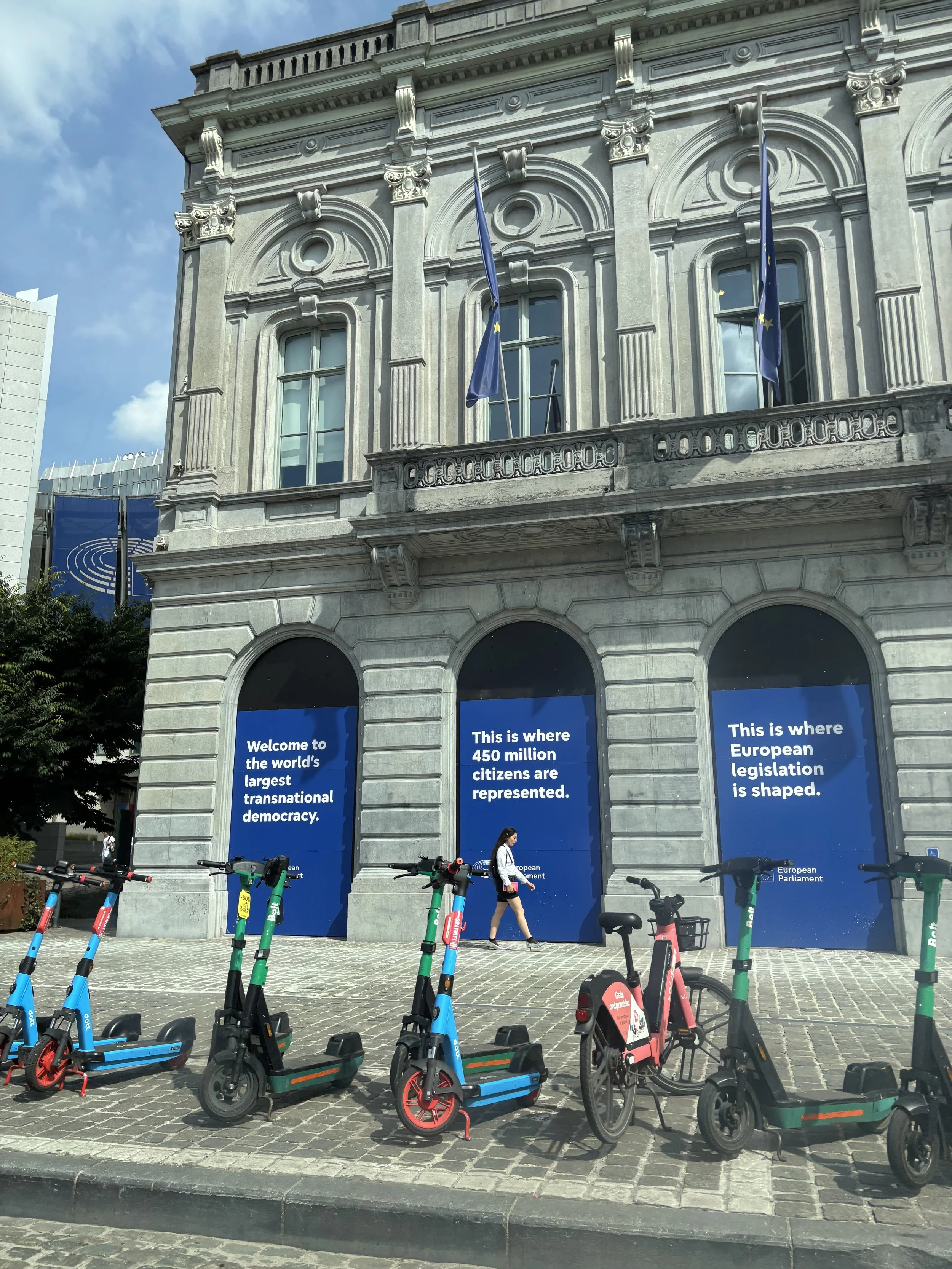
During my tour in the European quarter in Brussels.
Brussels acquired another role after the Second World War, when European countries began building institutions designed to encourage cooperation and prevent another devastating conflict on the continent.
Belgium was among the founding members of the European communities that eventually evolved into today's European Union.
Brussels became one of the principal centers of these new European institutions. Today, the city hosts the European Commission, the Council of the European Union and the main meeting place of the European Council, as well as numerous other European institutions, diplomatic missions and international organizations.
This is why Brussels is often referred to as the capital of Europe.
Strictly speaking, the European Union does not have a single official capital. Brussels, Luxembourg and Strasbourg all host major EU institutions. Yet Brussels has become the EU's principal political and administrative center, making its informal title of “European capital” particularly fitting.
Why Brussels?
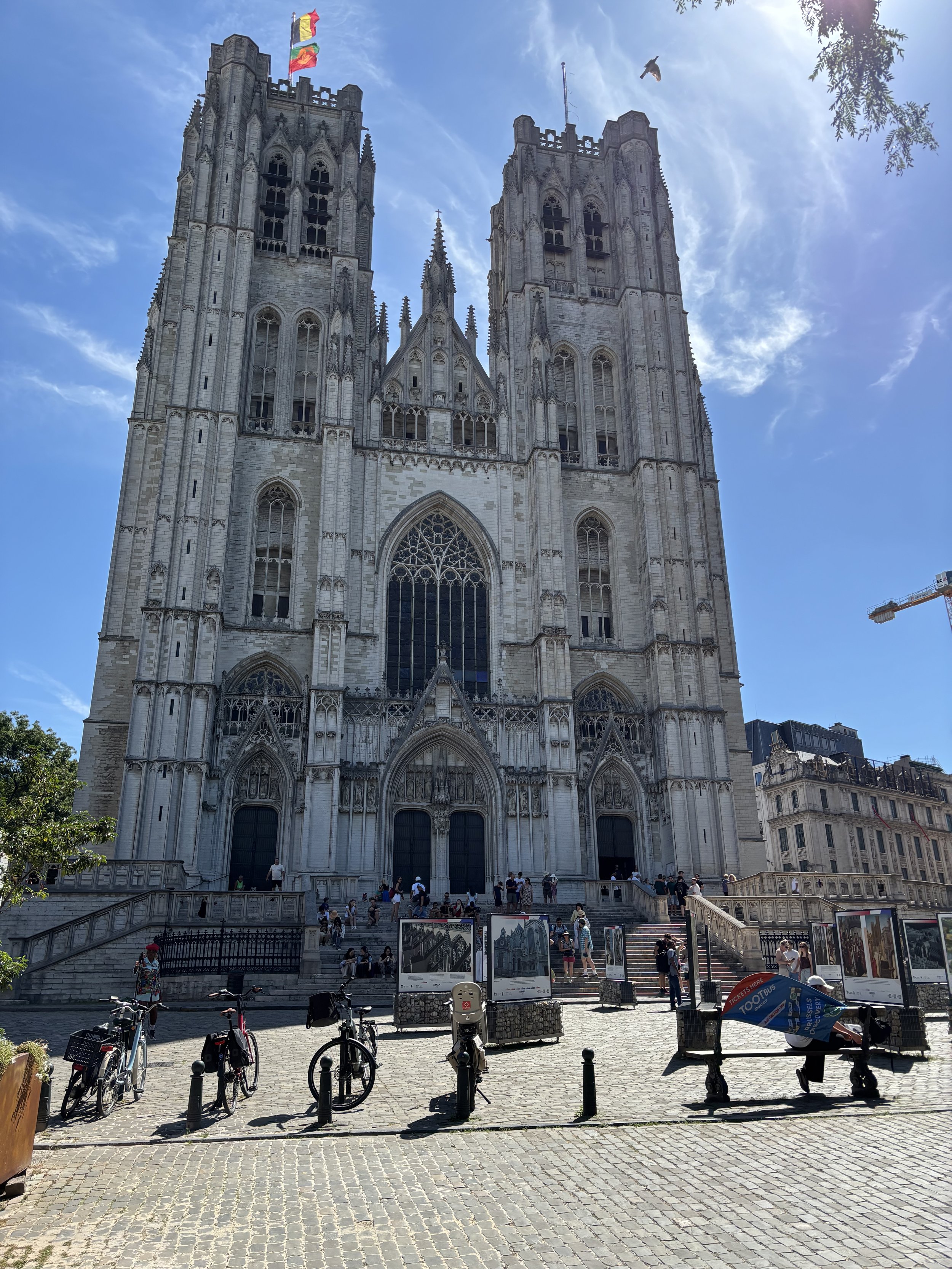
Cathedral of Brussels.
The choice was not accidental.
Belgium's central location in Western Europe made Brussels a practical meeting point between Europe's major powers. It was relatively accessible from France, Germany, Luxembourg and the Netherlands, while Belgium itself was one of the countries at the heart of the early European project.
There was also a symbolic dimension.
Belgium is a country shaped by linguistic and cultural diversity, with Dutch-, French- and German-speaking communities. Brussels itself reflects this complexity. Its ability to function as a meeting place between different identities made it an appealing home for a European project built around cooperation, compromise and coexistence.
A city where Europe becomes visible
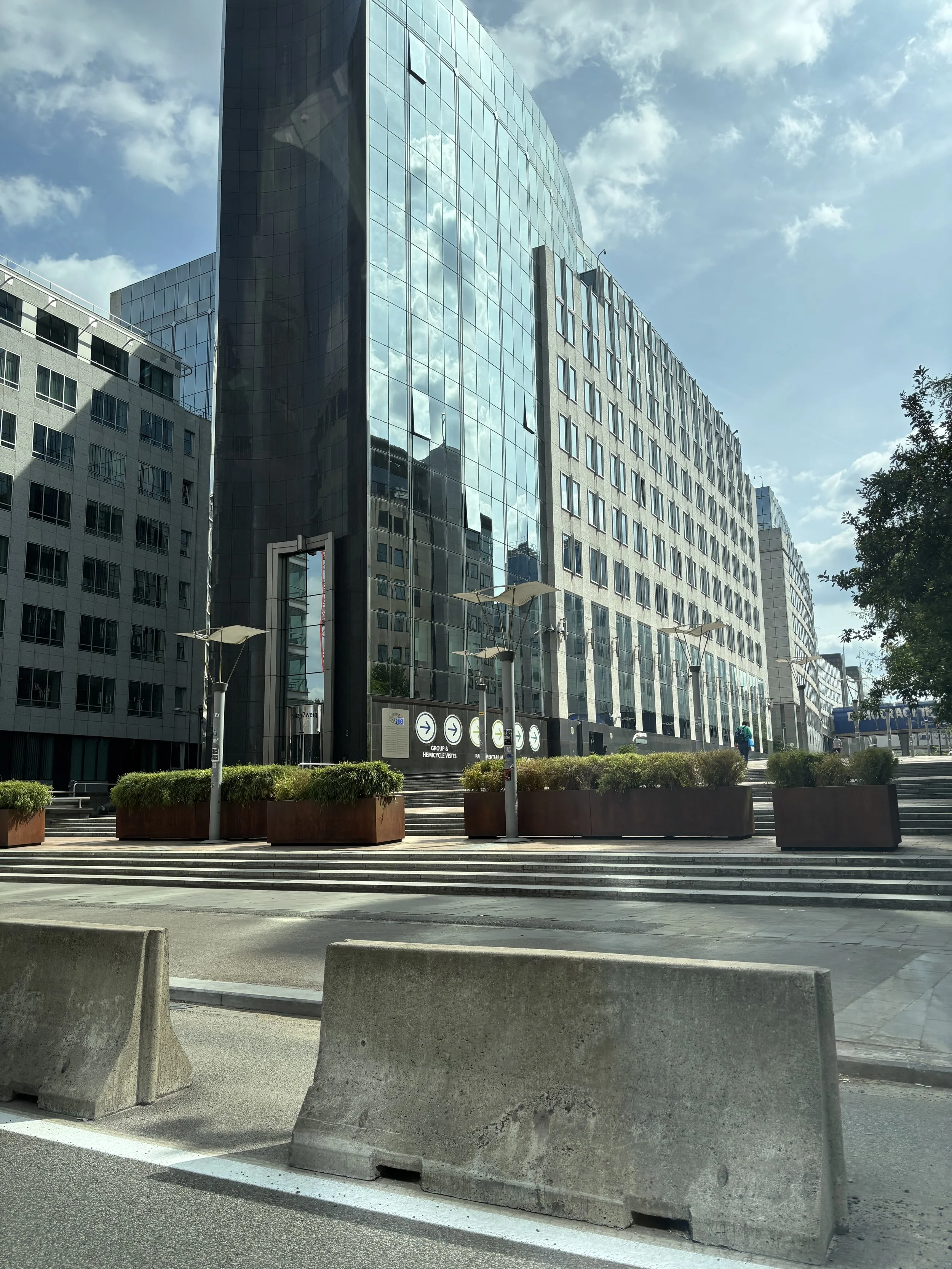
Modern buildings in the European quarter in Brussels.
Walking through Brussels, the European presence can feel almost surreal.
You can move from the medieval grandeur of the Grand-Place to the modern European Quarter in minutes. The streets around Schuman and the European Commission are filled with diplomats, journalists, civil servants, and visitors from across the continent.
Flags from the EU's member states stand side by side. Conversations shift effortlessly between French, Dutch, English, German, Italian, Spanish and countless other languages.
The city itself seems to embody the European idea: different identities sharing the same space without having to become identical.
The local and the International
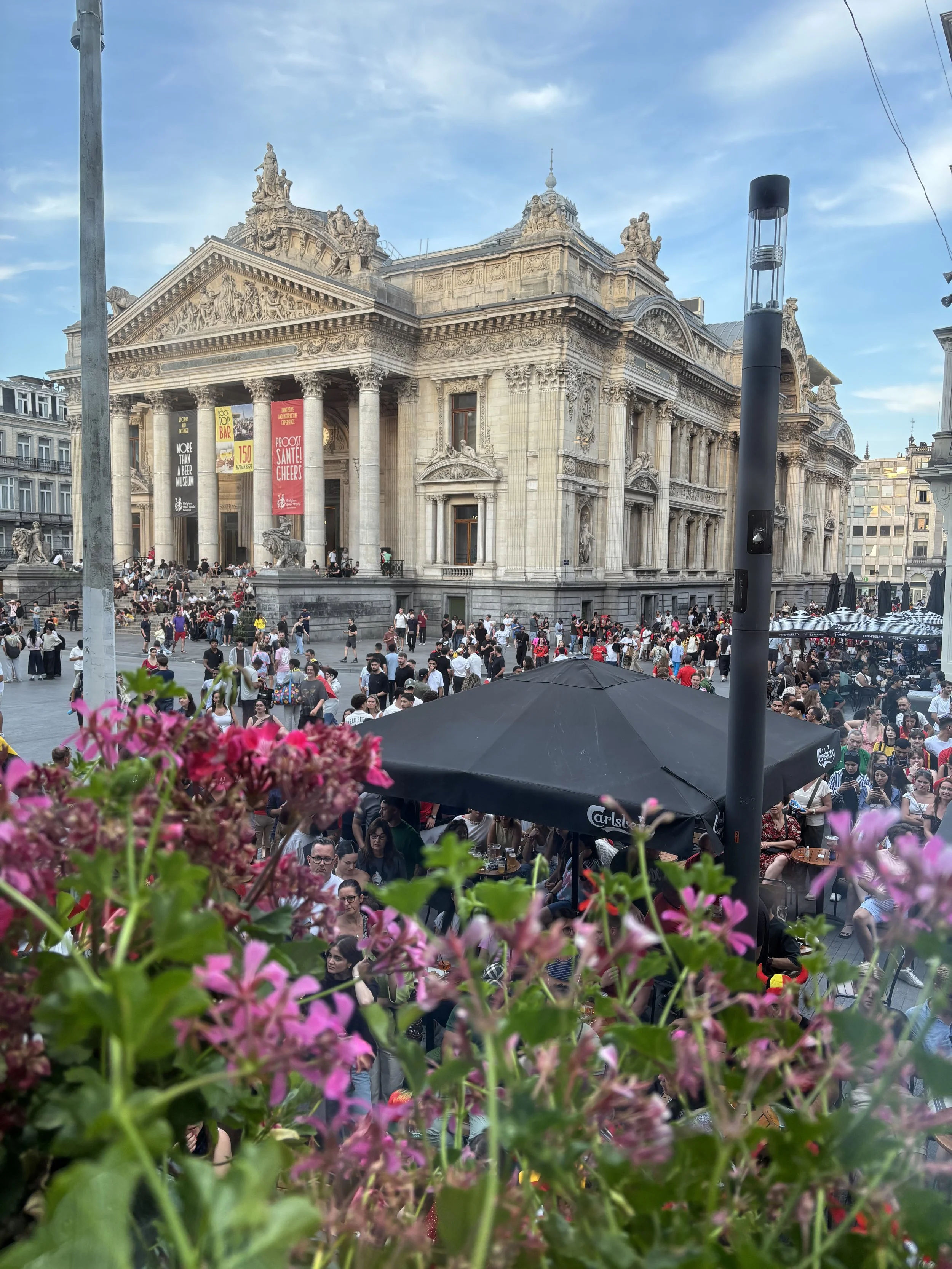
Place de la Bourse in Brussels.
Yet what makes Brussels particularly appealing is that its European identity never completely overwhelms its Belgian soul.
You can spend the morning walking past institutions that shape European policy and the afternoon sitting in a traditional café with a Belgian beer.
You can admire Art Nouveau architecture, discover a comic-book mural, browse an antique market, eat a plate of moules-frites and finish the day with a chocolate from one of the city's historic chocolatiers.
This coexistence is perhaps Brussels' greatest charm. It is a city where the local and the international constantly meet.
The Brussels way of living
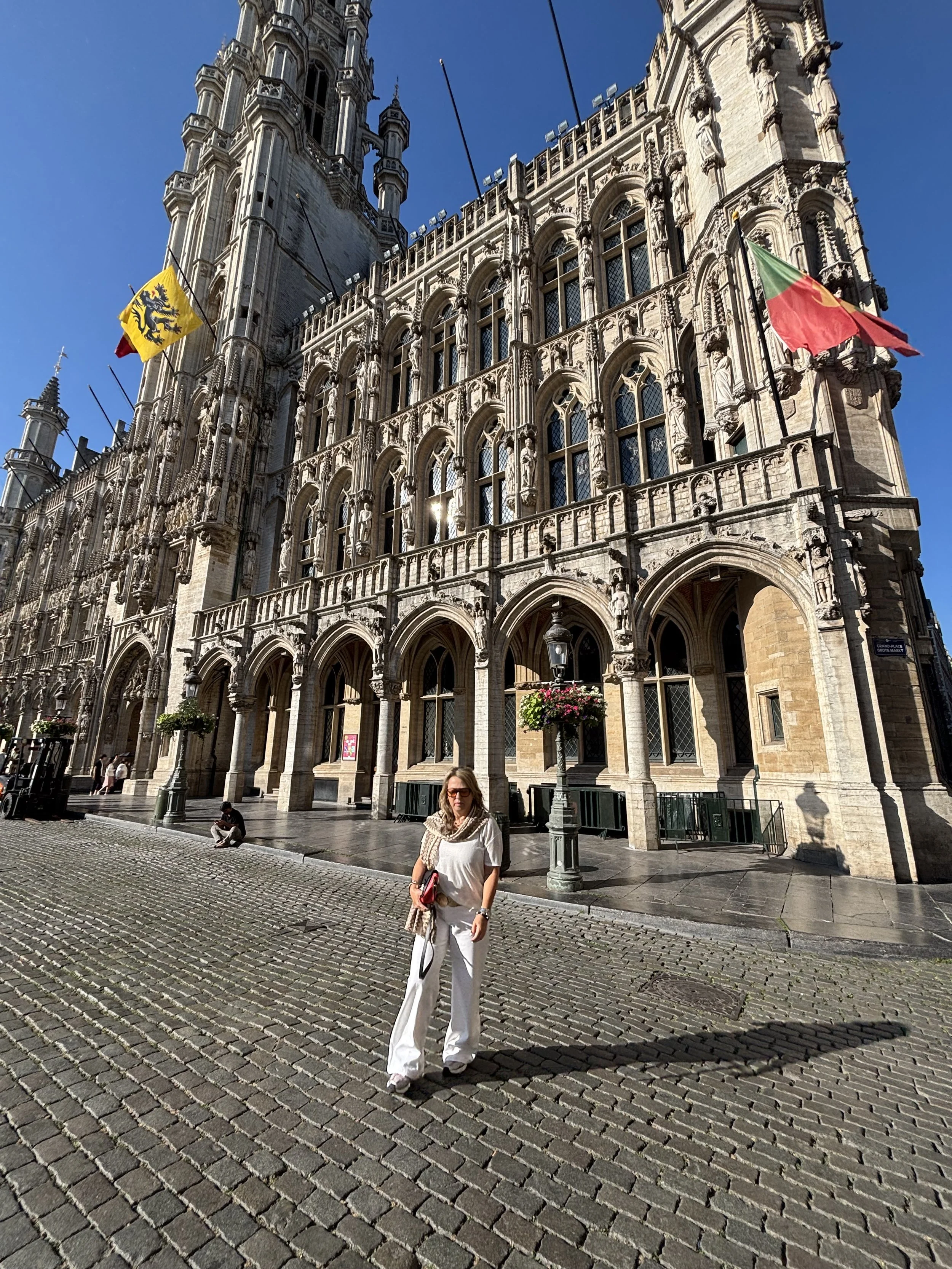
Norma in the iconic Grand Place in Brussels.
There is also something here that resonates with the broader idea of the art of living well.
Brussels doesn't seem to insist that sophistication has to be formal. Its pleasures are often wonderfully simple: a good beer, a plate of fries, a conversation at a café, a beautiful building discovered while wandering through the city.
And perhaps that is why the city's two identities work so naturally together.
Brussels is both Belgian and European, traditional and cosmopolitan, historic and constantly evolving.
Final Word
In the streets of Brussels and somewhere between its grand institutions, medieval streets, cafés and everyday pleasures, the city offers a beautiful image of Europe itself: different cultures, different histories, one shared space.
Et voilà! That was my tour of Brussels where history and modernization coexist beautifully!
Five Facts About Brussels as a capital and EU headquarter:
1- Belgium was one of the six founding members of the European Coal and Steel Community (1951) and the European Economic Community (1957), alongside France, West Germany, Italy, Luxembourg and the Netherlands
2- There is no single capital for the European Union, but Brussels is widely regarded as the de facto capital of Europe because of the concentration of EU institutions there.
3- Brussels is home to NATO headquarters, giving the city an additional international political and security role beyond the EU.
4- Brussels is officially bilingual in French and Dutch, while its international institutions make English and many other European languages part of everyday professional life.
5- Policies affecting hundreds of millions of Europeans are negotiated and developed in Brussels, from the single market and trade to climate policy, digital regulation and foreign affairs.