The Cedars of Lebanon: Guardians of Time
From the cedars of Lebanon, the forests that helped built the ancient world, and where the grove is still standing.
The Cedars of Lebanon appear in the Bible, in the Epic of Gilgamesh, in the records of Egyptian pharaohs who traded gold for Lebanese timber. The ships that carried Phoenician traders across the Mediterranean were built from these trees.
The cedar is on the Lebanese flag, on the national carrier. It is not a symbol. It is a biography.
Cedars of God
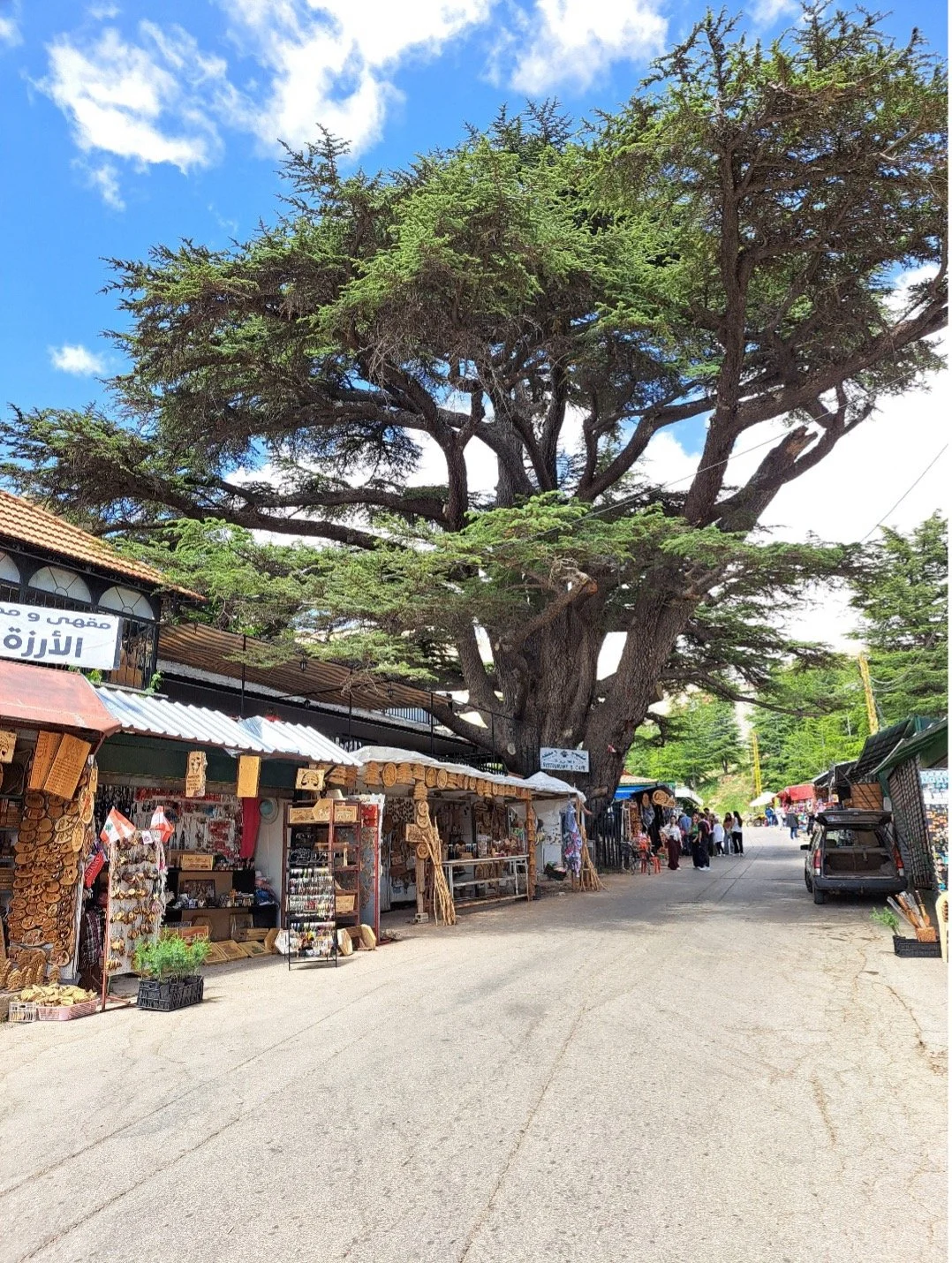
The shopping street outside the forest.
The Cedars in Lebanon known as The Cedars of God are not merely a forest; they are the surviving descendants of the legendary cedar woods that supplied empires, inspired sacred texts, and became a symbol of Lebanon itself.
They are part of the UNESCO World Heritage Site of the Qadisha Valley and the Forest of the Cedars of God, located in northern Lebanon.
In the Kadisha Valley, Holy Valley, in the mountains above the town of Bcharre in northern Lebanon, at an altitude of approximately two thousand meters, there is a grove of ancient cedars that has been continuously venerated for as long as the historical record exists.
From Beirut, the forest is approximately 120–130 km north. To stand among the cedars is a time experience. It is the closest thing the physical world offers to touching the ancient past with your hands.
There are trees in the mountains of Lebanon that were alive when the pharaohs were young.
Trees standing right now, roots in the same soil, branches reaching the same mountain sky, that were already old when Ramesses II was building his empire, when Homer was composing his epics, when the first Phoenician ships were being cut and shaped and launched into the Mediterranean below.
History
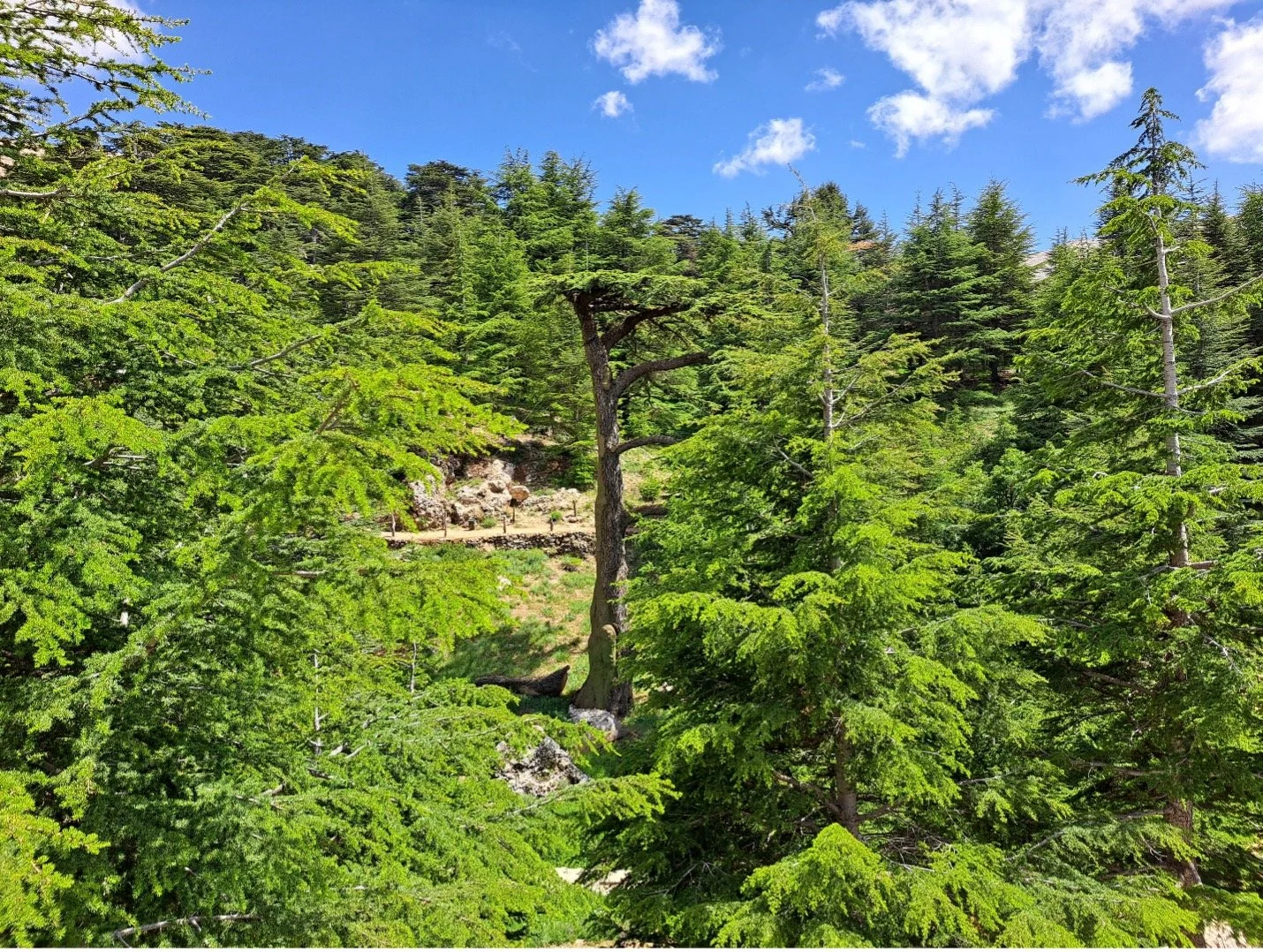
Inside the cedars forest.
The famous Cedars of Lebanon were among the most valuable natural resources of the ancient Near East.
Their wood was prized because it was strong and durable, resistant to rot and available in large sizes suitable for construction and shipbuilding.
Because cedar timber contributed to shipbuilding, trade networks, religious monuments, palaces, and urban development, historians recognize it as an important resource that supported the growth of several ancient civilizations.
The Phoenicians, the great maritime traders of the ancient Mediterranean who sailed from the Lebanese coast to Carthage, to Spain, to the edges of the known world, built their fleet from cedar.
The ships that carried the alphabet, the purple dye, the glass and the trade goods that connected civilizations were made from Lebanese mountain wood.
Without the cedar forests, the Phoenician maritime empire does not exist. Without the Phoenician maritime empire, the Mediterranean as a connected, trading, culturally exchanging world takes a different shape entirely.
UNESCO World Heritage Site
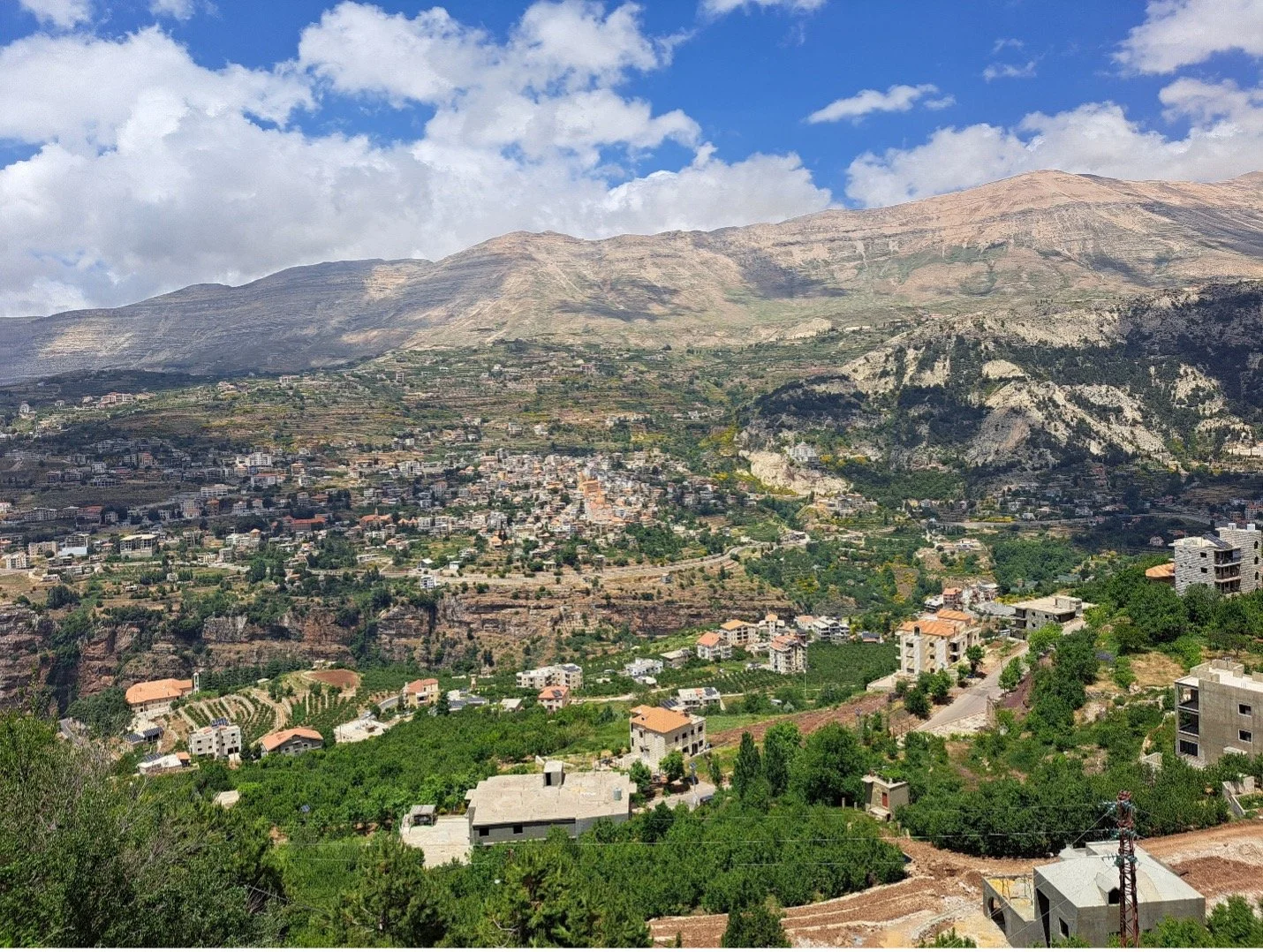
On the way to the Cedars
In 1998, the Lebanese government nominated the Ouadi Qadisha — the Kadisha Valley — and the Forest of the Cedars of God for inscription on the UNESCO World Heritage List.
The inscription was granted that same year.
The site was recognized for its outstanding universal value as one of the last vestiges of the ancient cedar forests that once covered the mountains of Lebanon.
UNESCO wrote that the “Qadisha valley is one of the most important early Christian monastic settlements in the world. Its monasteries, many of which are of a great age, stand in dramatic positions in a rugged landscape. Nearby are the remains of the great forest of cedars of Lebanon, highly prized in antiquity for the construction of great religious buildings”.
The dual designation matters. The cedars and the valley are not separate stories. The valley was considered holy in part because of the trees above it. The trees were protected in part because the valley below them was sacred ground. Nature, faith and history wound around each other like the roots of the oldest trees in the grove.
The World Heritage designation brought with it both international visibility and a framework of protection.
The Cedar on the Flag
The cedar appears at the center of the Lebanese flag, white and red stripes framing a green cedar tree that has been the national symbol since Lebanon's independence in 1943.
It was not an arbitrary choice. It was a declaration, that this tree, which built the ancient world's ships, which appears in the oldest stories human beings wrote down, which has been growing in these mountains longer than the concept of Lebanon has existed, is the thing this nation chose to carry into the modern world as its defining image.
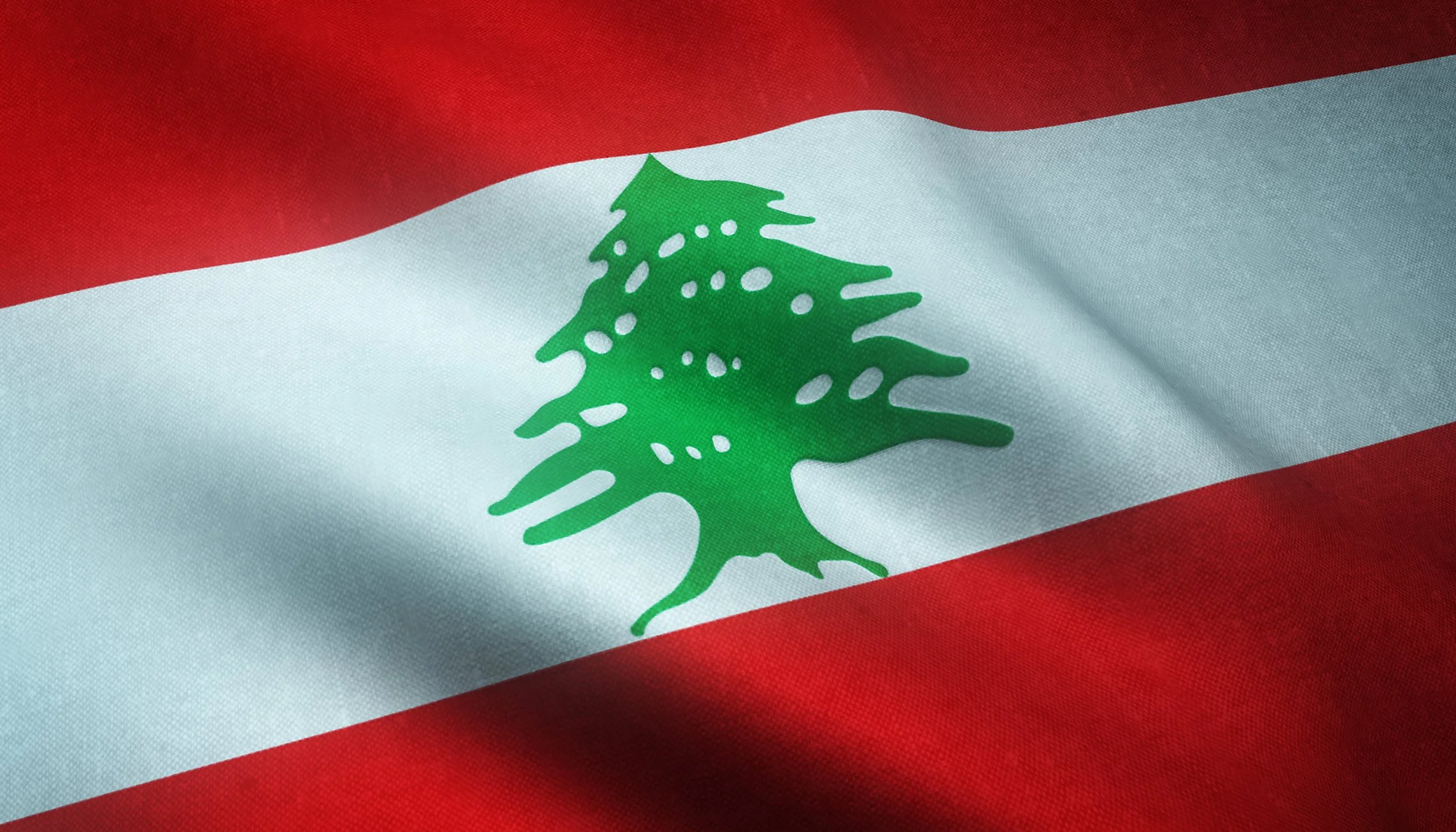
The Lebanese Flag
Bcharre and the Valley Below
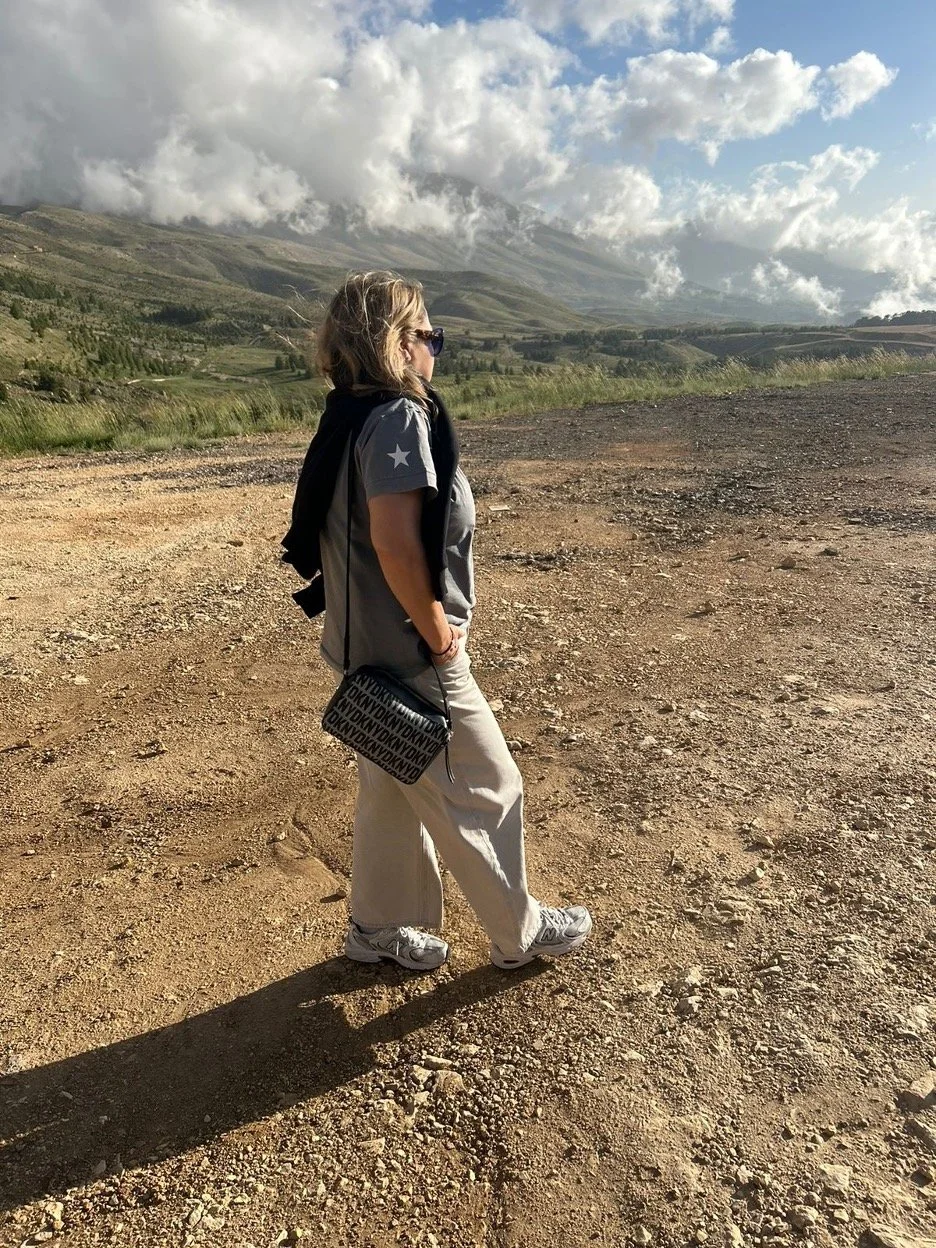
During my visit to the Cedars region.
The town of Bcharre, which sits at the entrance to the Kadisha Valley below the cedar grove, carries its own layered significance.
It is the birthplace of Khalil Gibran, the poet and philosopher whose work The Prophet became one of the bestselling books of the twentieth century and whose words about love, children, and the nature of giving still echo in many occasions and celebrations.
There is a Gibran Museum in Bcharre, housed in a converted monastery, containing his paintings, his manuscripts, and the personal objects of a life lived mostly in the United States but rooted always in this valley, these mountains, these trees.
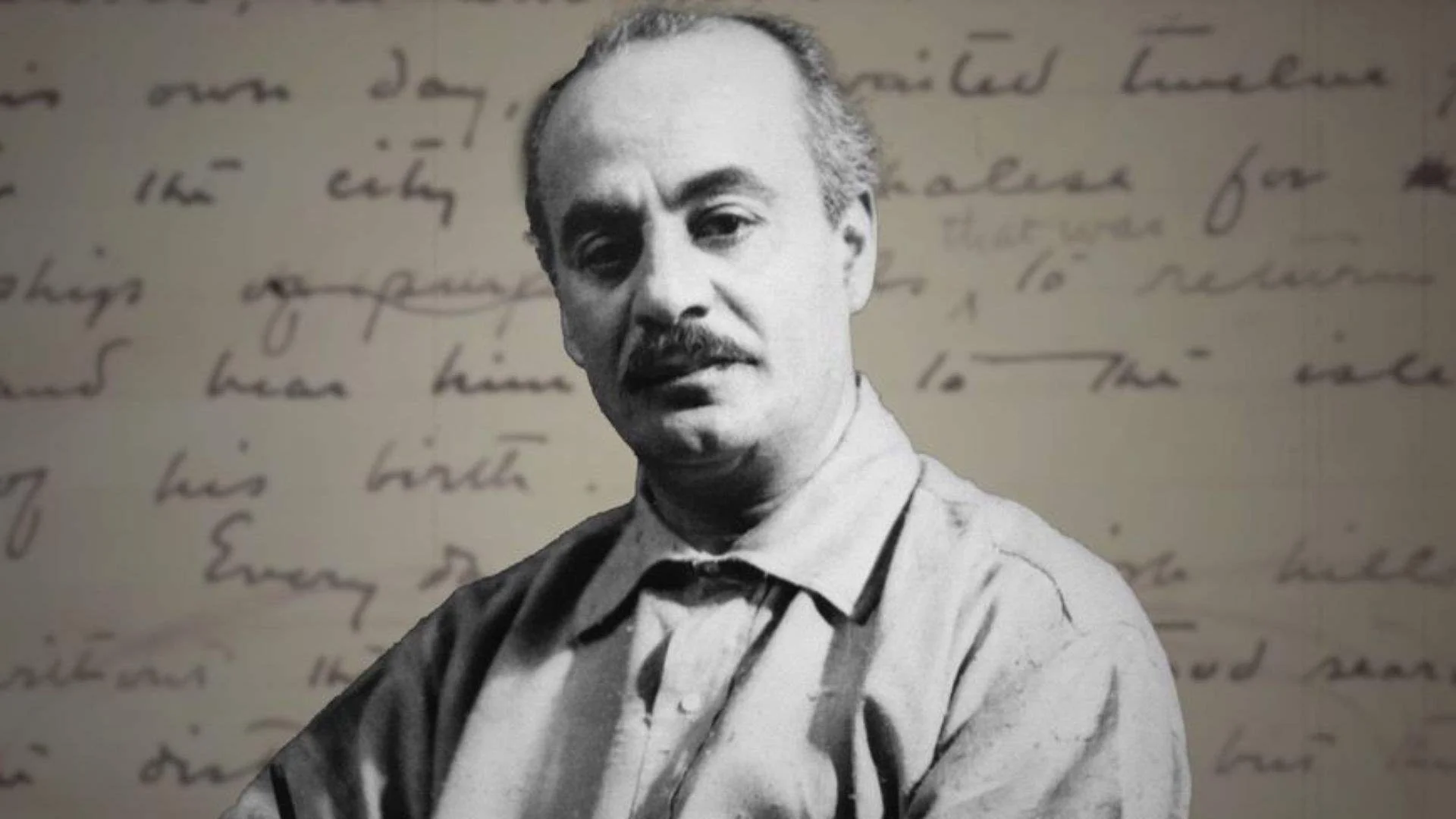
Gibran Khalil Gibran, the famous poet
Going There
The Cedars of God are accessible from Bcharre, approximately a two-hour drive from Beirut through mountain roads that are, in themselves, one of the most beautiful drives in the region.
The cedar grove sits at two thousand meters; in winter it is buried under snow and inaccessible, which is part of what makes it sacred.
The best time to visit is late spring or early autumn, after the snow has cleared and before the summer tourism season crowds the narrow roads.
The oldest trees stand in the inner section of the grove, behind the protective fence.
Final word
A visit to the Cedars of God is not only a journey into Lebanon's landscapes but also an encounter with one of humanity's oldest living legacies.
Today, they stand as a symbol of resilience, heritage, and natural beauty. The ancient world built itself from these trees and they are still standing.
Et voilà! That was the cedar story; an intersection of nature, history, and national identity!
Five Facts about Father’s Day and beginning of Summer:
The Cedars of Lebanon (Cedrus libani) is one of the oldest known tree species in the Middle East.
Cedar trees are mentioned more than 70 times in the Bible and are often associated with strength, beauty, and longevity.
Some cedar trees in the Cedars of God Forest are estimated to be hundreds of years old, and a few may exceed 1,000 years in age.
The cedar symbolizes resilience, endurance, and national identity for many Lebanese people around the world.
The ancient cedar forests of Lebanon were so famous that rulers from distant kingdoms recorded military expeditions specifically to obtain Lebanese cedar wood for various projects.