Labor Day: From protest to holiday on May 1st
Labor Day did not begin as a holiday on May 1st, it began as a protest, an industrial struggle and worker’s demands.
With the emergence of the industrial revolution, the second wave between mid-1800s and early 1900s, which transformed societies in Europe and the United States, factories expanded and workers faced hard conditions: long working hours extending up to 16 hours shifts, unsafe workplaces and low wages.
Out of this environment the movement began demanding dignity for workers.
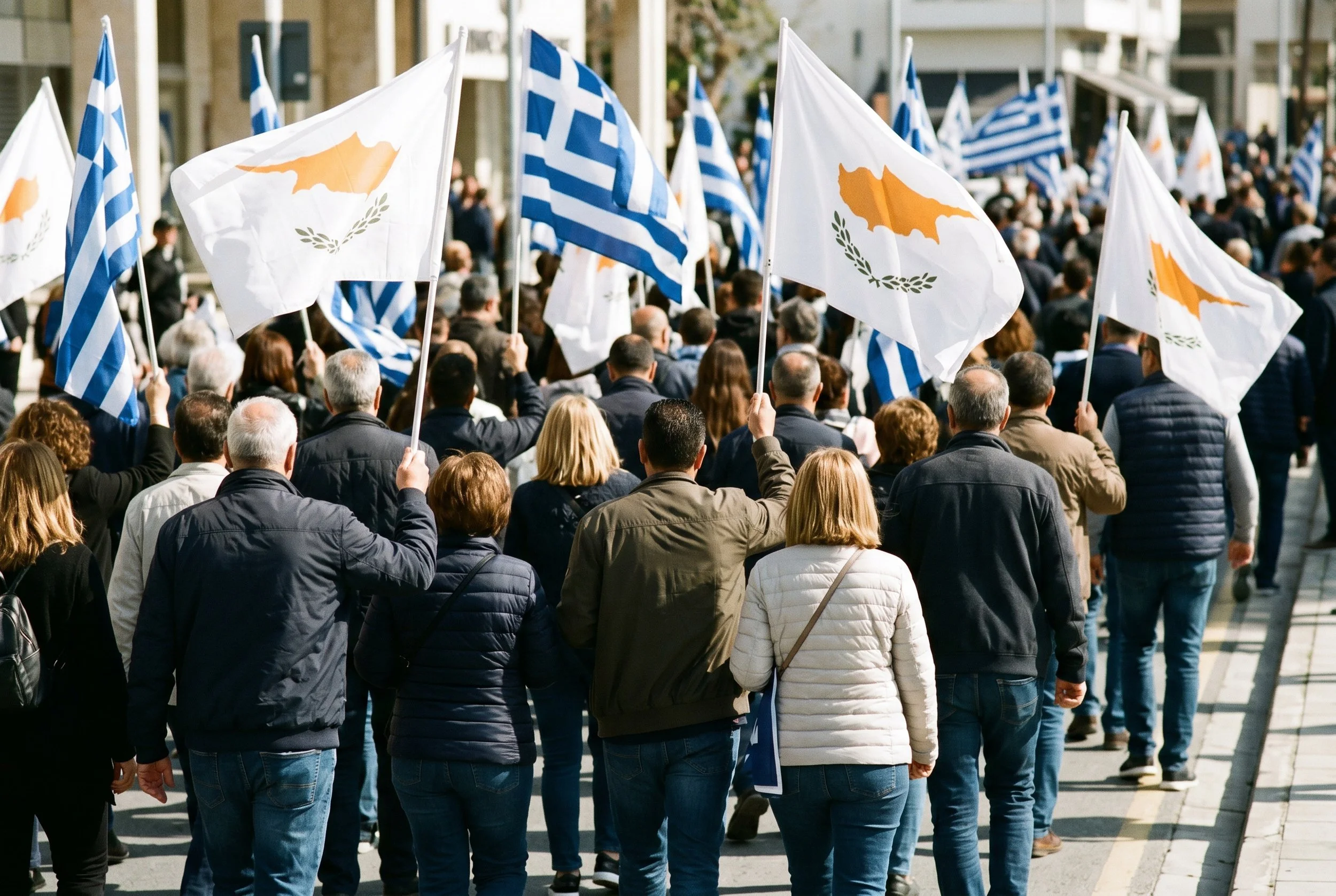
Greek and Cypriot flags held during a protest signaling a common identity.
First Parade
Every year on May 1st, crowds gather across continents to mark International Labor Day, a date synonymous with workers’ rights, and in many occasions on the echoes of the famous symbolic Italian song “Bella Ciao”.
But where did this tradition come from and how it started?
The earliest organized celebration of Labor Day is widely traced to the United States, where the first parade took place in 1882 in New York City.
Organized by the Central Labor Union, it was a public demonstration calling for better working conditions, fair wages, and shorter working hours.
Twelve years later, after mounting labor unrest across the United States, including the violent Pullman Strike of 1894, the U.S. government moved to formally recognize workers’ contributions.
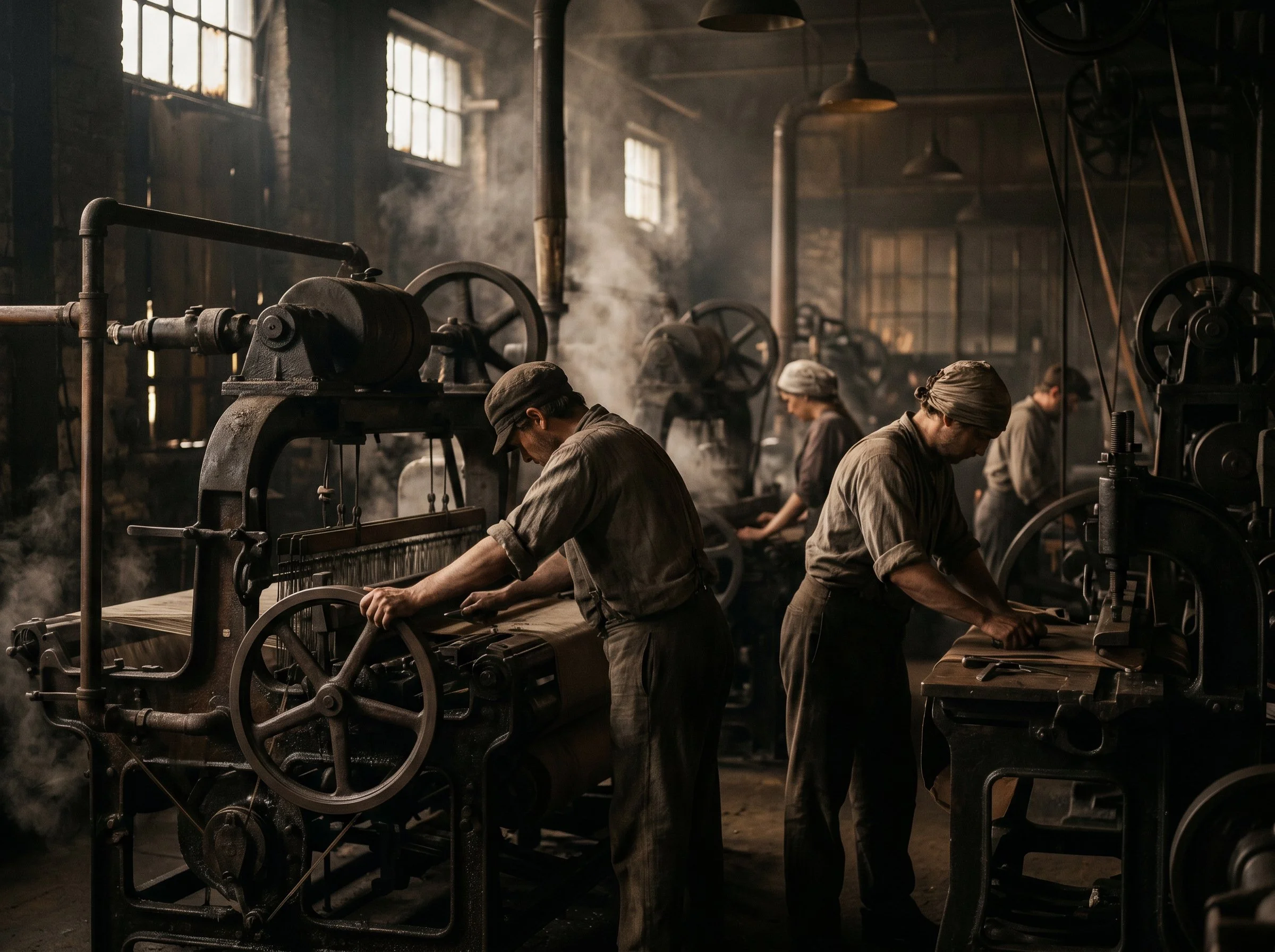
Where the fight for dignity began.
How it was declared?
Across the Atlantic, labor movements were evolving along parallel lines.
The key moment for declaring May 1st as a holiday marking Labor Day was a collective decision by the Second International, an association of labor and socialist movements, which declared the date in 1889 in honor of the Haymarket affair and the broader struggle for the eight-hour workday.
The Haymarket affair turned a local labor protest into a global symbol of workers’ rights. What was it all about?
On May 4, 1886, workers gathered at Haymarket Square in Chicago for a peaceful rally protesting police violence against striking workers and demanding the 8-hour workday and as the rally was ending, police moved in to disperse the crowd.
A bomb was thrown at the police, killing officers. The police responded by firing into the crowd and as a result police officers and civilians were killed or injured. The aftermath was even more significant than the event itself because of the controversy surrounding the trials.
Subsequently, from France to Germany, and across much of the world, May Day became a symbol of working-class unity.
A unity that appeared philosophically long before that.
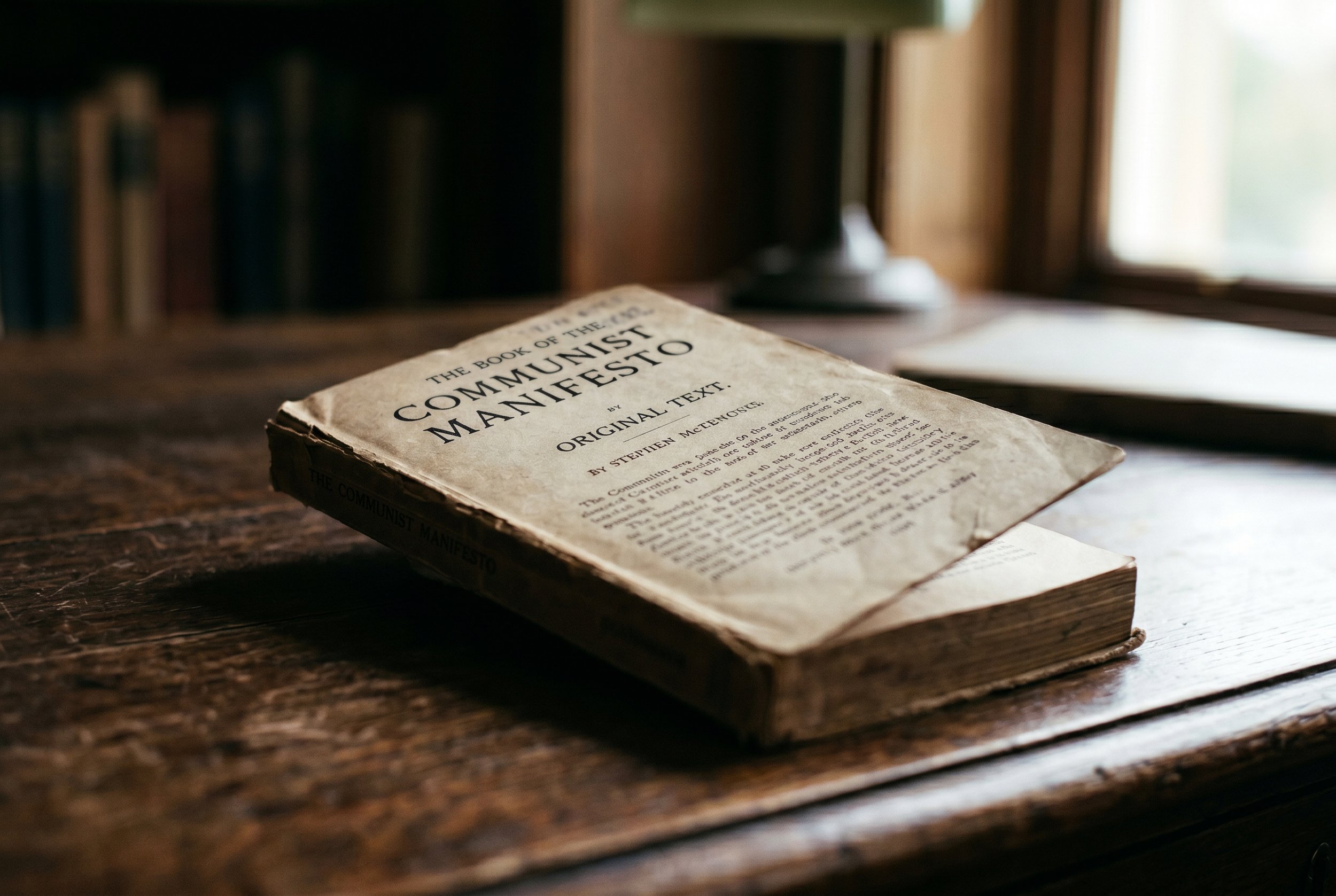
Ideas that shaped a global movement.
Shadow of Marx
The intellectual influence, even though indirectly, came from thinkers like Karl Marx and Friedrich Engels.
Their critiques of industrial capitalism helped shape socialist and labor movements by arguing for workers’ rights, fair wages, and collective organization.
Marx (1818 to 1883), did not live to see his ideas about promoting worker’s rights, materialize into a formal day celebration, yet his shadow continues to hover over labor struggles.
The famous cry of Marx “Workers of the world, unite!” became more than a slogan! It remains a guiding principle for labor movements organizing strikes, unions, and demonstrations.
Marx’s critique of industrial capitalism, especially in works like “The Communist Manifesto”, argued that workers (“proletariat”) were systematically exploited by the owners of production. He believed that economic systems concentrated wealth and power in the hands of the few while workers endured long hours, low wages, and unsafe conditions.
Though distinct from the U.S protests, his analysis provided the ideological grounding for growing labor movements in the 19th century.
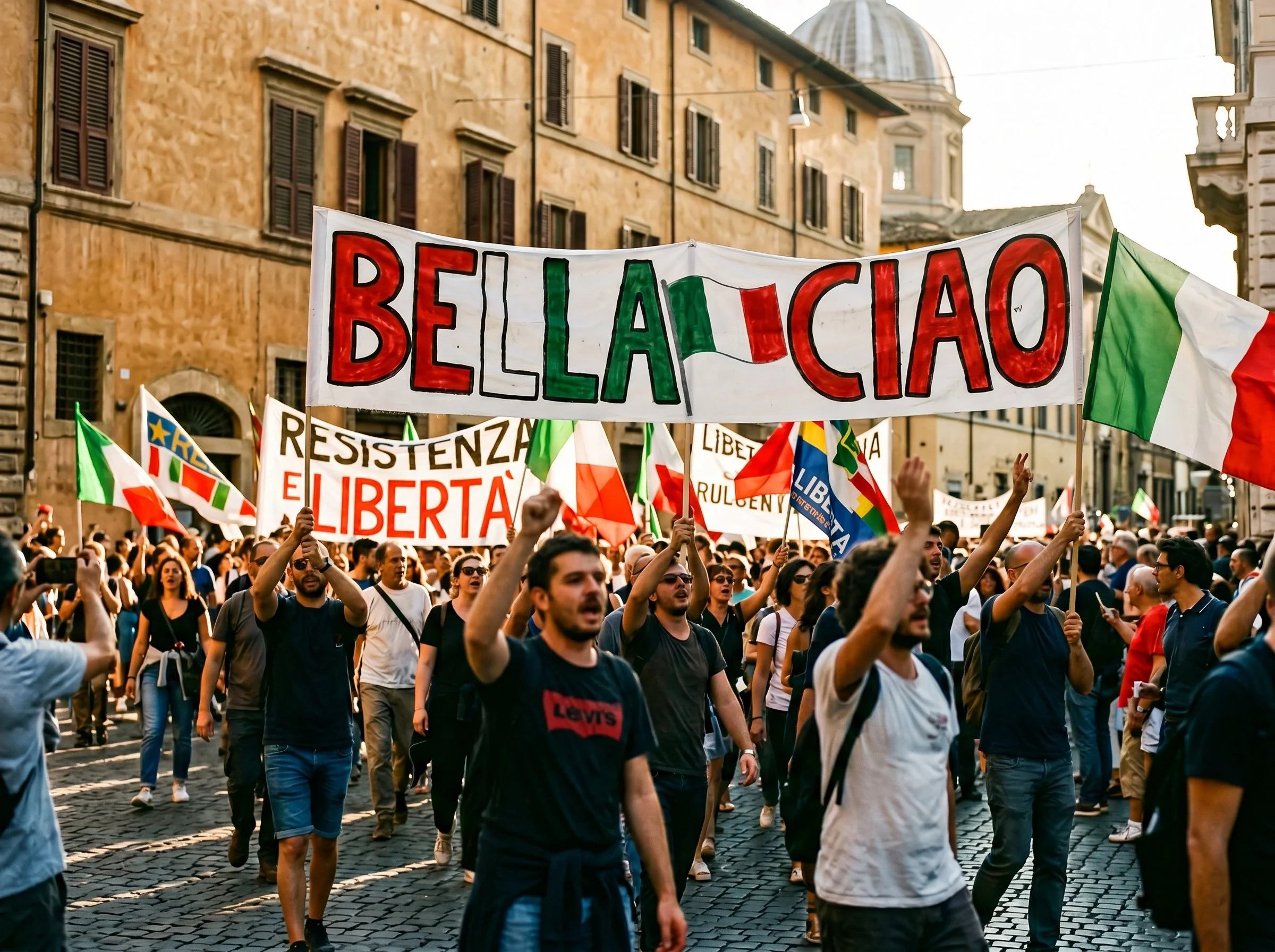
A song that became a symbol of struggle and resistance.
Today’s world
Many gains that are tied directly to the labor movements benefit today workers worldwide, legal protections, less working hours, minimum wages, safety regulations and the right to protest.
The recent pandemic of Covid-19 reshaped also the workplace with the emergence of hybrid and remote work while wage inequality remains a major issue with the rise of the cost of living, and global disparities remain stark especially in developing nations.
Et voilà! Happy labor day everyone!
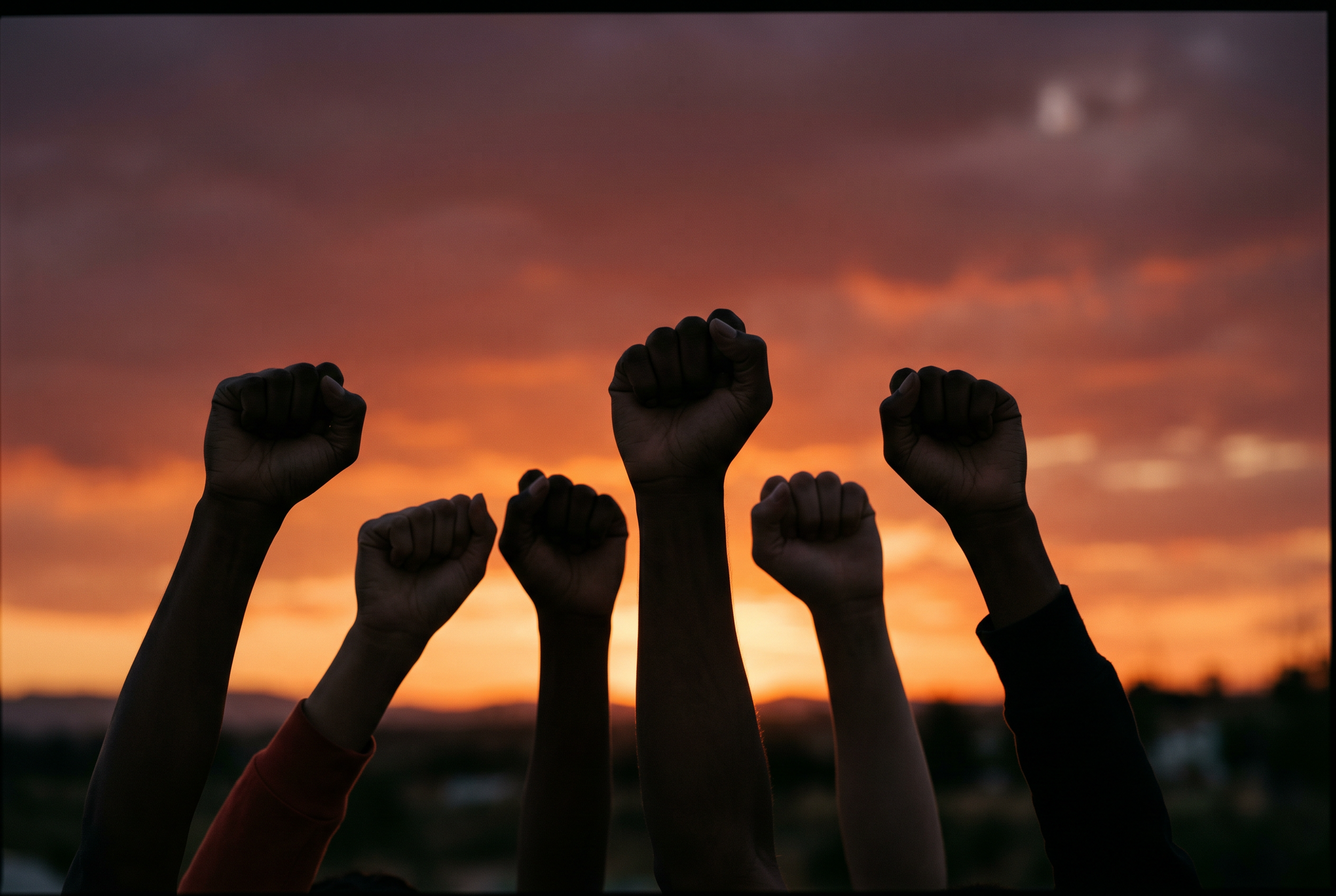
A universal sign of solidarity.
Five Facts about International Labor Day:
The United States and Canada celebrate Labor Day on the first Monday of September, a tradition officially established in the U.S. in 1894.
The May 1st holiday is not universally standardized by the United Nations, but labor rights are promoted through organizations like the International Labour Organization (ILO).
The song Bella Ciao is often heard during Labor Day events, although it is widely known as a resistance anthem during World War II.
In Europe, mainly France, Germany, Italy, Greece and Cyprus, May 1st is celebrated with marches and union-led demonstrations.
In Russia and China, there is still symbolic connection to the political past, but May 1st is considered nowadays more of a spring holiday and a reminder of the national pride.