Mother’s Day is also about the World We Build
Every year, Mother’s Day arrives wrapped in flowers, messages, well-deserved appreciation and where some countries celebrate this day their own way and on different dates. However, one thing is common: this occasion is a moment to reflect on the world where mothers live.
Beneath the flowers and brunch reservations lies a quieter, more important conversation: it is not only about supporting mothers for just one day a year, but also structurally, through policy, work-life balance, and gender equality.
How is this day celebrated?
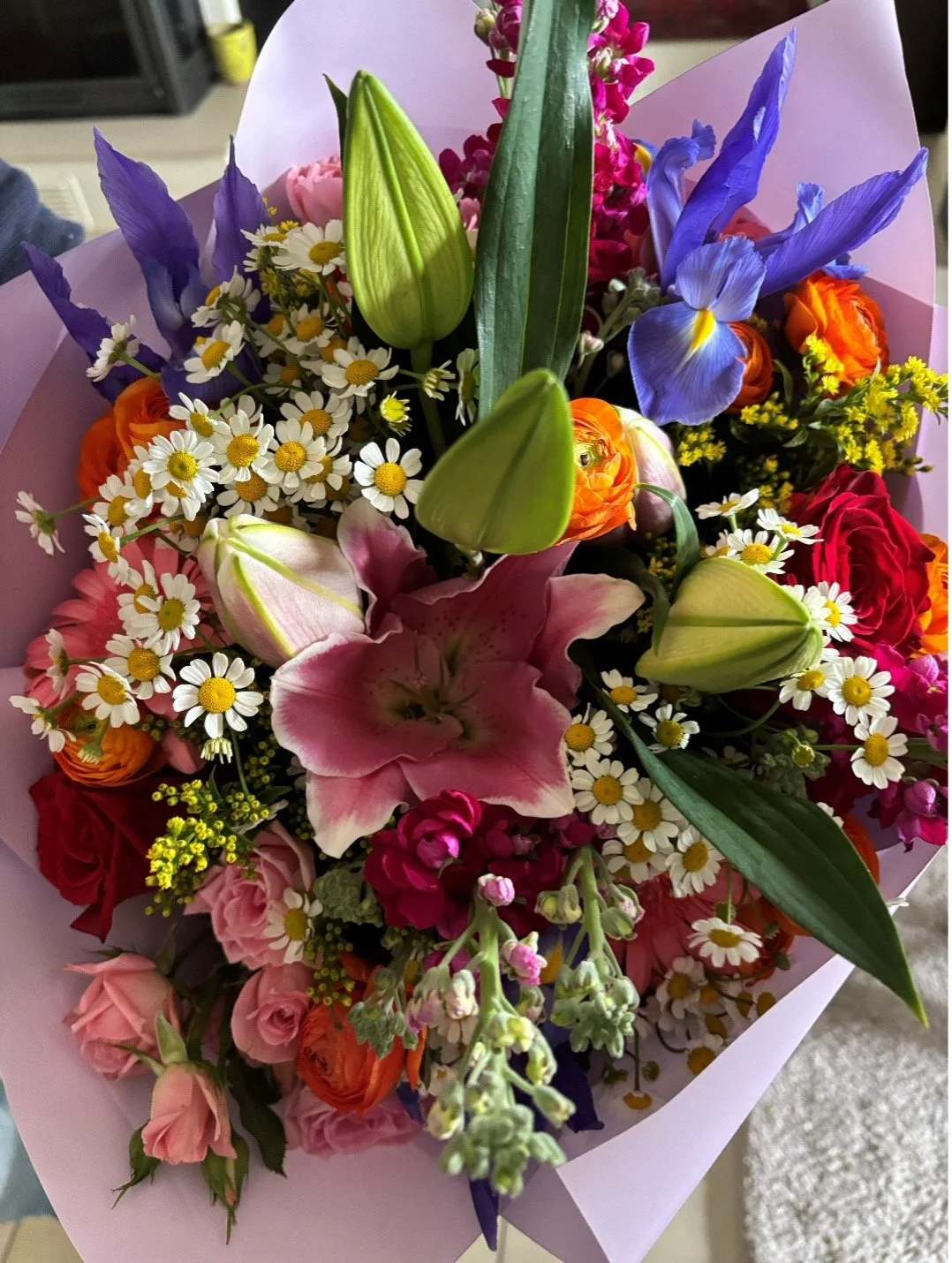
Mother’s Day is celebrated in over 90 countries, but often on different dates and in very different ways.
Common traditions include flowers, especially carnations or roses, family meals, and handmade gifts from children.
In countries across Europe and North America, the celebration is often emotional, highly commercialized, and deeply personal at the same time.
Restaurants and cafés often become busy with family celebrations.
The same applies to the Middle East where this day is celebrated in most countries on the 21st of March, the beginning of Spring.
The UK celebrates Mother’s Day at a different time also mainly because it follows a different historical and religious tradition than many other Western countries.
In the UK, Mother’s Day is officially called Mothering Sunday, and takes place on the fourth Sunday of Lent, which means the date changes every year but usually falls in March.
This dates back to medieval times, and on that day, people would return to their “mother church”—the main church in their area or diocese, for a special service. It was already culturally established before the modern American version spread.
The Mediterranean way
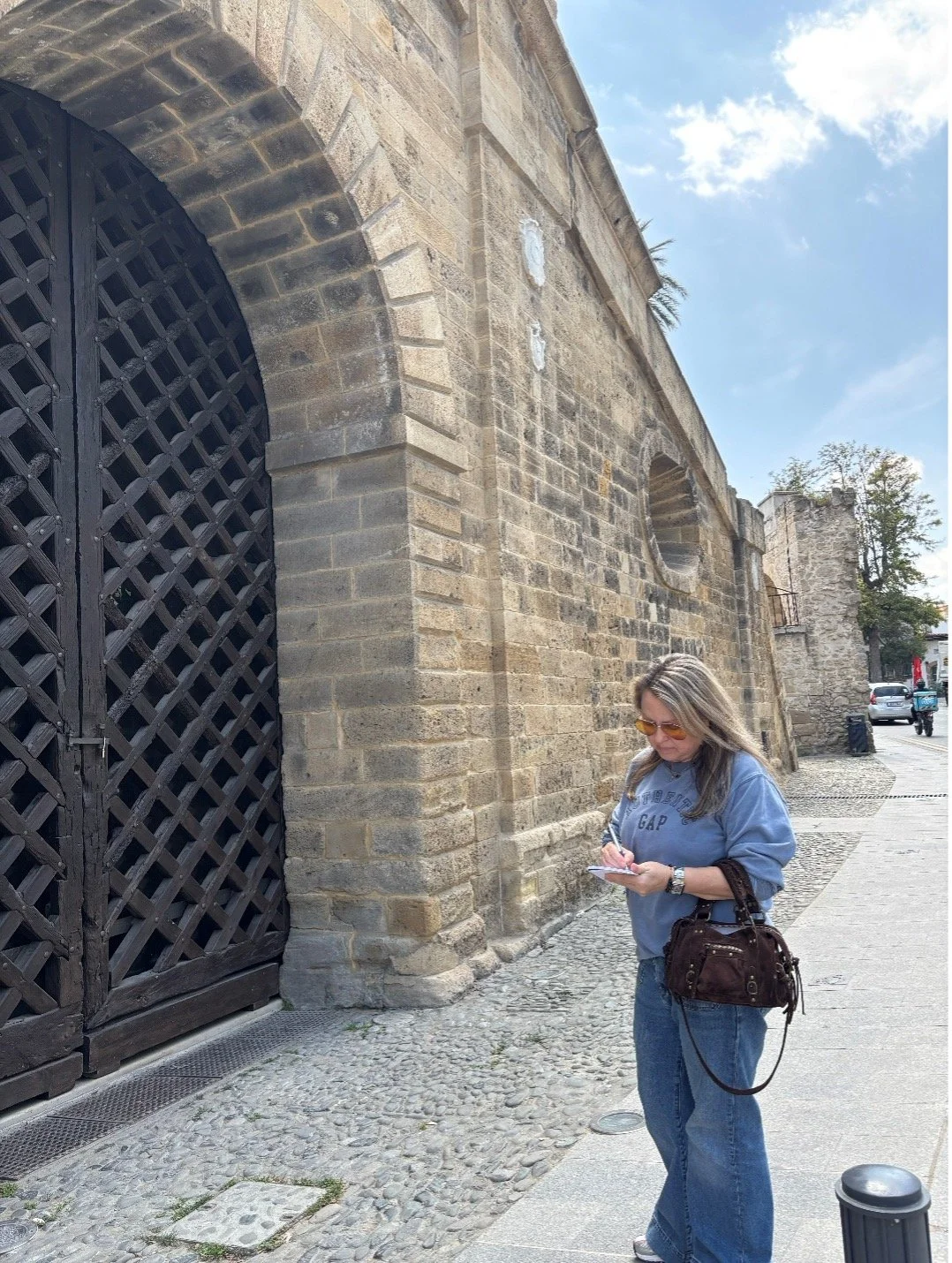
Norma in Nicosia’s old town
In the Mediterranean, Mother’s Day is less about market and more about relational identity, honoring the mother as the emotional and structural core of the family.
In Southern Europe, such as Italy, Spain and Greece, Mother’s Day is typically a warm, family-oriented occasion. It often revolves around shared meals, small gifts, and expressions of gratitude, with less emphasis on large-scale consumerism.
In the Eastern Mediterranean, including Lebanon and Cyprus, the celebration carries an even deeper emotional and social weight. Mothers are often seen as the cornerstone of family cohesion.
It is always the same language of love that mothers use in this part of the world, recurrent questions and words are usually the same: “did you eat?”, “did you take a jacket”, “call when you arrive” or even “I made your favorite dish”, “take some, there’s extra food!”.
A changing narrative
In the West, Mother’s Day is slowly evolving from celebration to awareness. It still holds its emotional core but it is increasingly paired with questions about fairness and support.
The most meaningful tribute to mothers may not be found only in gifts or greetings, but in systems that allow them to thrive.
In the context of this broader shift, Mother’s Day in Western societies is increasingly being reinterpreted. It is no longer only about appreciation; it is also about accountability. How much do societies actually support the people they celebrate?
Mothers don’t just raise children; they help shape how the next generation sees the world. What children observe around them, repeatedly, becomes what they accept as normal.
Gender equality initiatives have extended into public infrastructure, including, for example, the introduction of female pedestrian traffic light figures.
While symbolic, these changes reflect a broader national effort to promote gender equality and make women more visible in everyday civic spaces.
Female figures
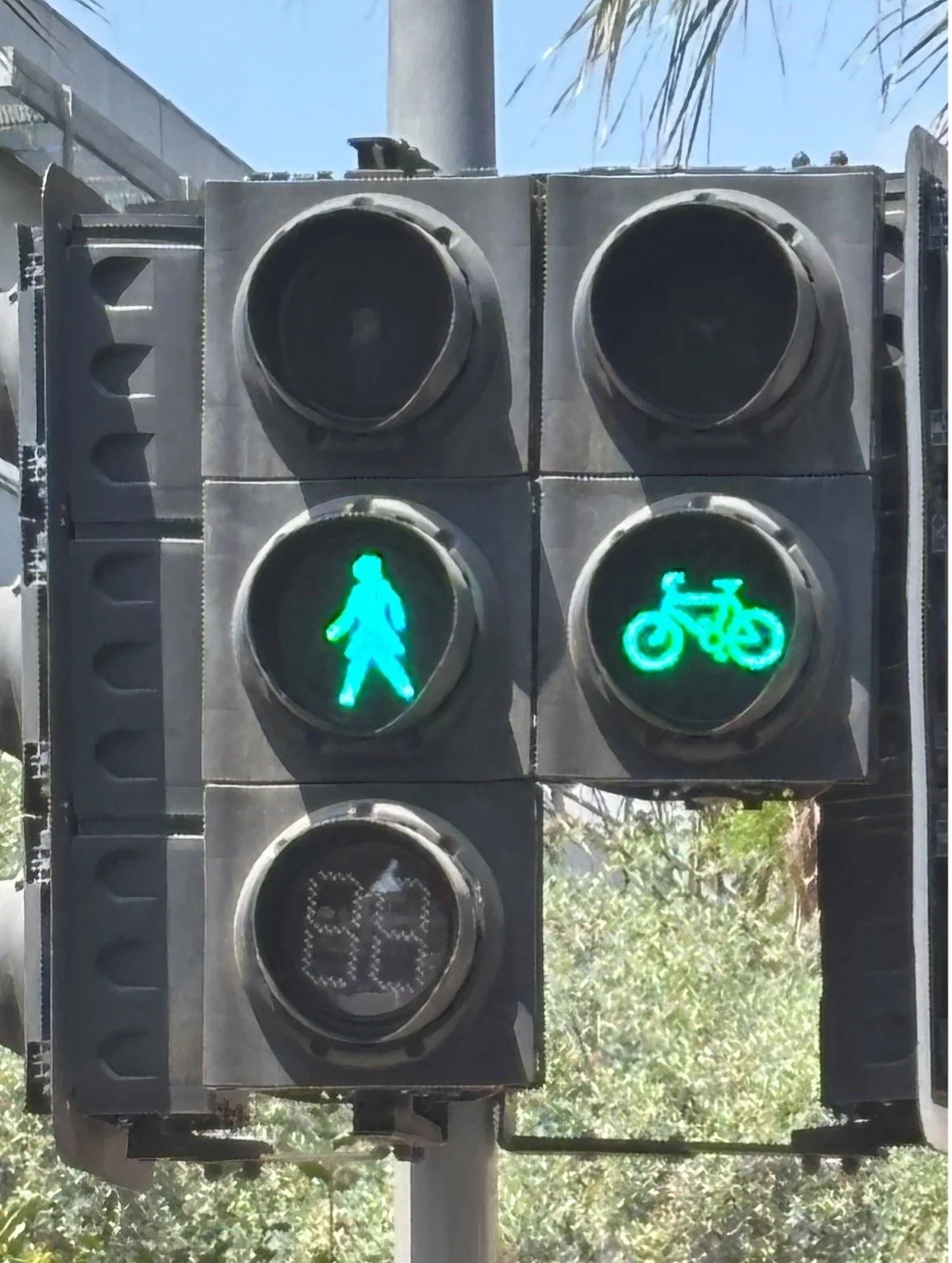
The pedestrian traffic light having a female figure, in Nicosia
This step taken by Cyprus in 2025 is not the first of its kind, it has been adopted in many countries before. Nevertheless, the use of female figures in pedestrian lights is rarely seen in countries, making this change small yet significant.
In Lithuania and in honor of the centenary of women's voting rights, Vilnius has installed 14 female-empowering traffic lights as of November 2018. Lithuania was the first European country to grant women voting rights back in 1918, well before the United States.
In Spain, cities like Valencia installed female figures on traffic lights aiming to make women more visible in everyday urban design.
In Germany, some regions use female versions of the “Ampelmännchen” (pedestrian icons).
In Australia, Melbourne installed female pedestrian signals to reduce “unconscious bias” while New Zealand uses female silhouettes in some crossings, including symbolic figures like suffragette Kate Sheppard.
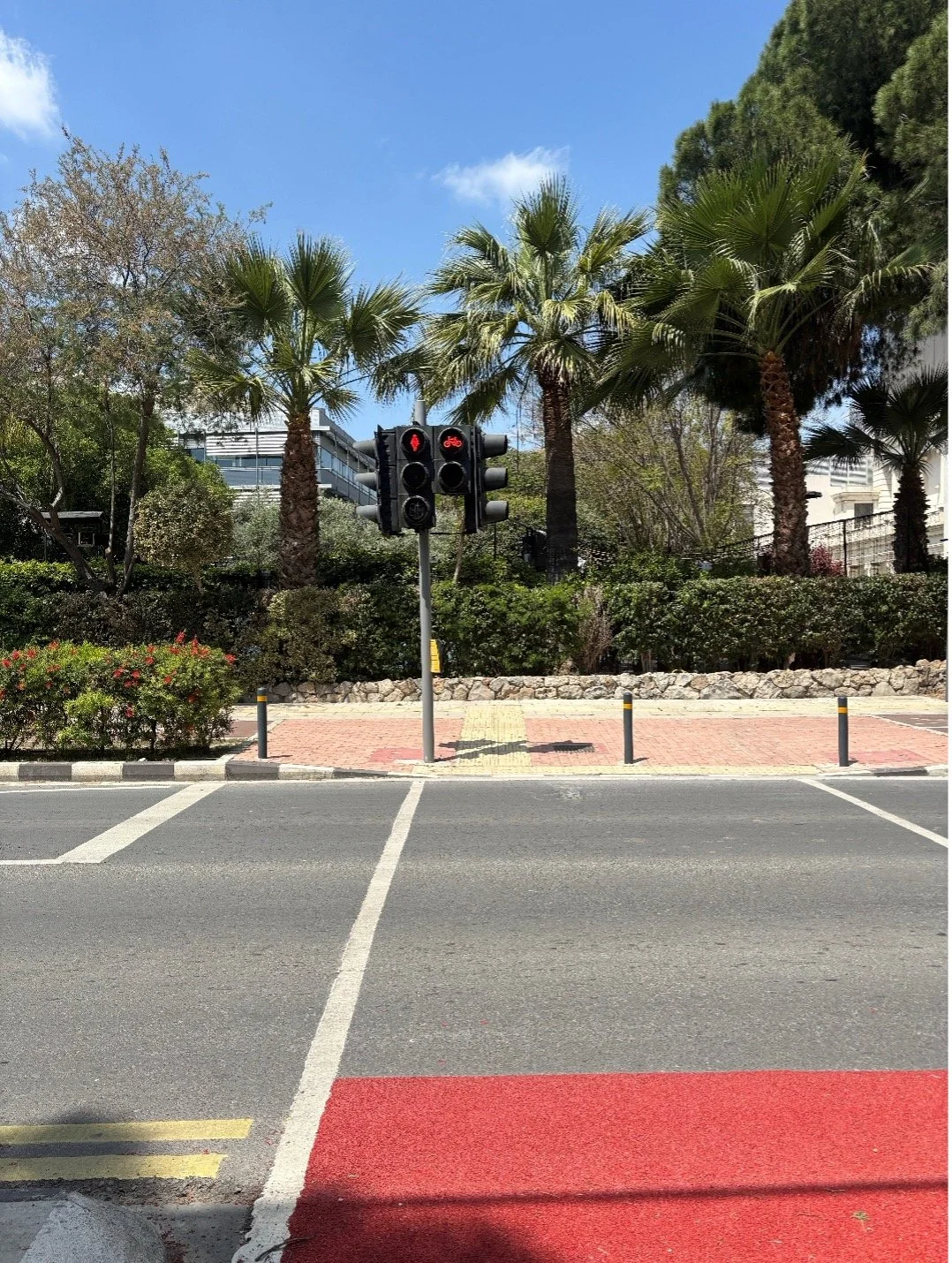
Female figure at the pedestrian crossing in front of the Municipal Theatre and the Cyprus Museum in Nicosia.
Austria wentfurther and in addition to using female figures, Vienna used same-sex couples for inclusivity.
In India, Mumbai introduced female pedestrian figures across more than a hundred crossings designed to challenge the idea that public space is male-dominated. In Taiwan, some crossings feature female figures or couples in animated signals.
Final word
While the world celebrates Mother’s Day, the occasion also serves as a reminder that recognition must be matched by progress.
Across many societies, mothers continue to face structural inequalities, like political representation and employment gap making it essential to move beyond symbolic appreciation toward meaningful advancements in their rights and well-being.
Five facts about Mother’s Day:
Mother’s Day was popularized in the United States in the early 20th century, largely through the efforts of Anna Jarvis, the activist who campaigned to create a day honoring mothers, motivated by her own mother’s work as a community health activist.
In 1914, the American president Woodrow Wilson declared Mother’s Day a national holiday in the United States, celebrated on the second Sunday of May.
Mother’s Day in Europe started as a church-based family tradition, then evolved into today’s celebration of mothers, influenced heavily by the American version.
Russia celebrates on the last Sunday of November since 1998, while in Mexico, Mother’s Day is always celebrated on May 10, regardless of the weekday, often with music, church visits, and large family gatherings.
Traditions worldwide involve giving flowers, especially roses or carnations, writing cards and poems, personal messages, family gatherings or special meals together, children giving handmade gifts or drawings and nowadays social media posts expressing appreciation.