Mediterranean cuisine is more than a way of cooking; it is a celebration of nature, simplicity, and the beautiful connection between food and well-being.
From sun-ripened tomatoes and fragrant herbs to fresh legumes and golden extra virgin olive oil, every ingredient holds the secret to a healthier, more balanced lifestyle.
Fresh, Seasonal Ingredients
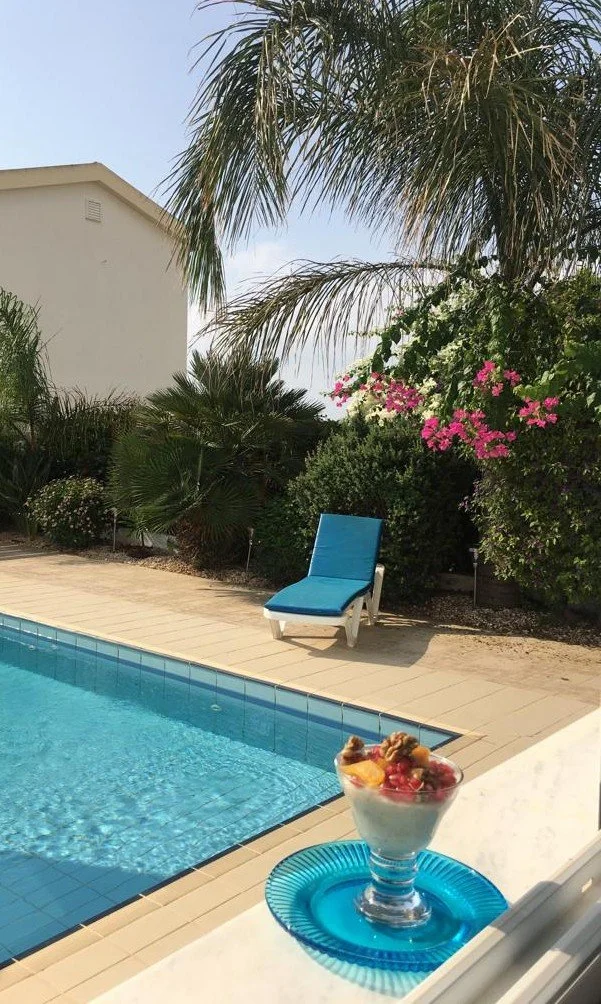
In the Mediterranean, food is not only about what people eat, it is about how they live, gather and find joy in the everyday moments around the table.
Seasonal produce is at the heart of Mediterranean cooking. Fruits, vegetables, herbs, and greens offer a wonderful variety of vitamins, minerals, antioxidants, and dietary fiber that support overall health.
My favorite approach? Keep it simple. Let the natural flavors shine, add a handful of fresh herbs, a squeeze of lemon, and a drizzle of good olive oil. Sometimes, the simplest combinations are the most memorable.
Legumes: Humble With Countless Benefits
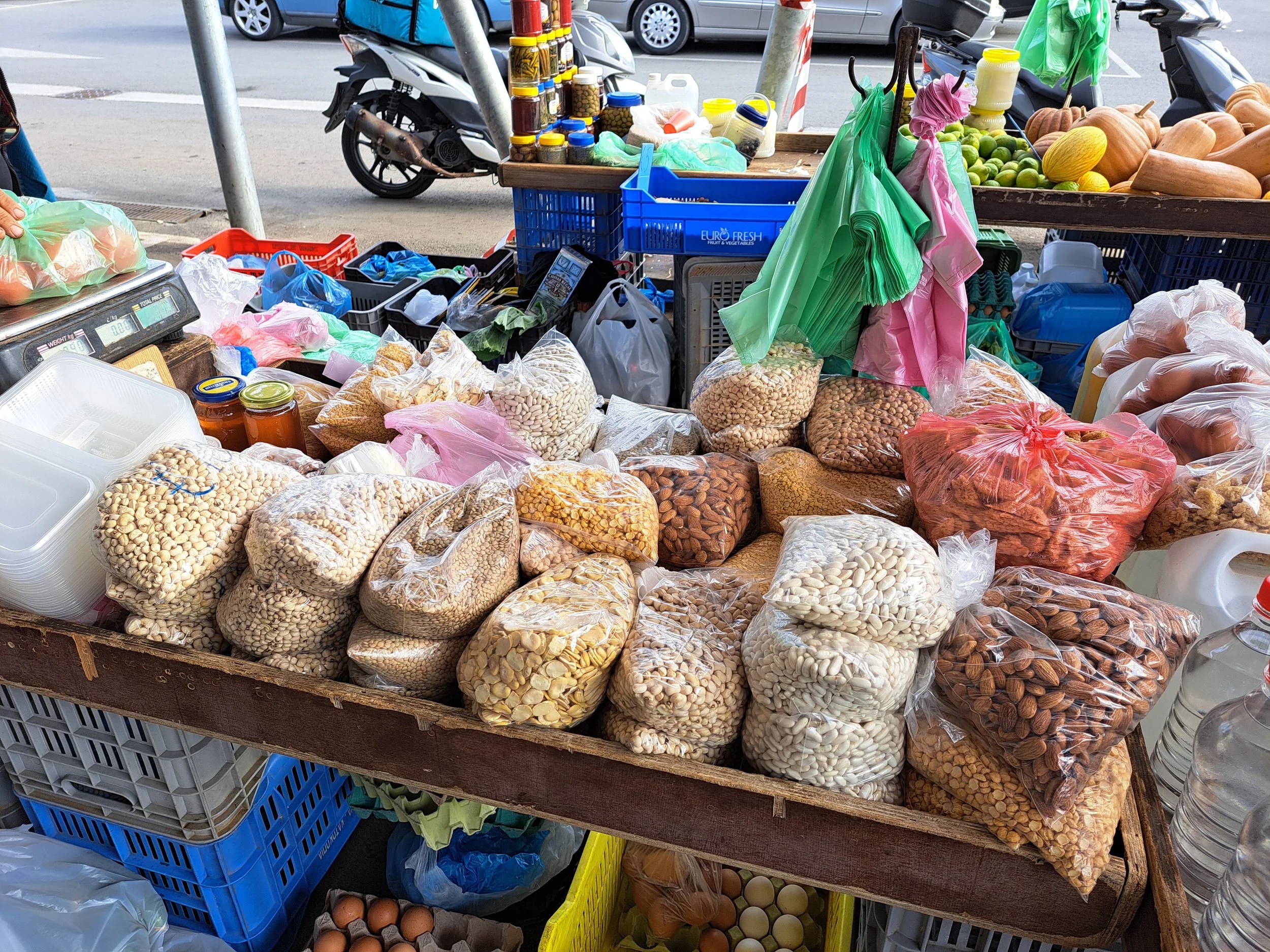
Legumes in one of Nicosia’s open markets.
Chickpeas, lentils, white beans, black-eyed peas, and split peas may be humble ingredients, but they are true treasures of Mediterranean cuisine.
For generations, legumes have been an essential part of traditional Mediterranean tables, bringing nourishment, versatility, and comfort to everyday meals.
They are rich in plant-based protein and dietary fiber, making them excellent ingredients for a balanced diet. Their fiber helps support digestive health, while their protein contributes to maintaining muscle and keeping meals satisfying. Legumes also provide important nutrients, including folate, iron, and potassium.
But beyond their nutritional value, legumes are largely adaptable.
Think of a warm lentil salad with fresh parsley and lemon, creamy hummus served with crunchy vegetables, a rustic chickpea stew simmered with tomatoes and herbs, or a bowl of tender white beans dressed with extra virgin olive oil.
These dishes combine few pantry staples and fresh ingredients, to create meals that are nourishing and deeply satisfying.
A little lifestyle tip: Keep cooked lentils or chickpeas in your fridge or freezer ready for any dish.
Extra Virgin Olive Oil: The Golden Heart of the Mediterranean
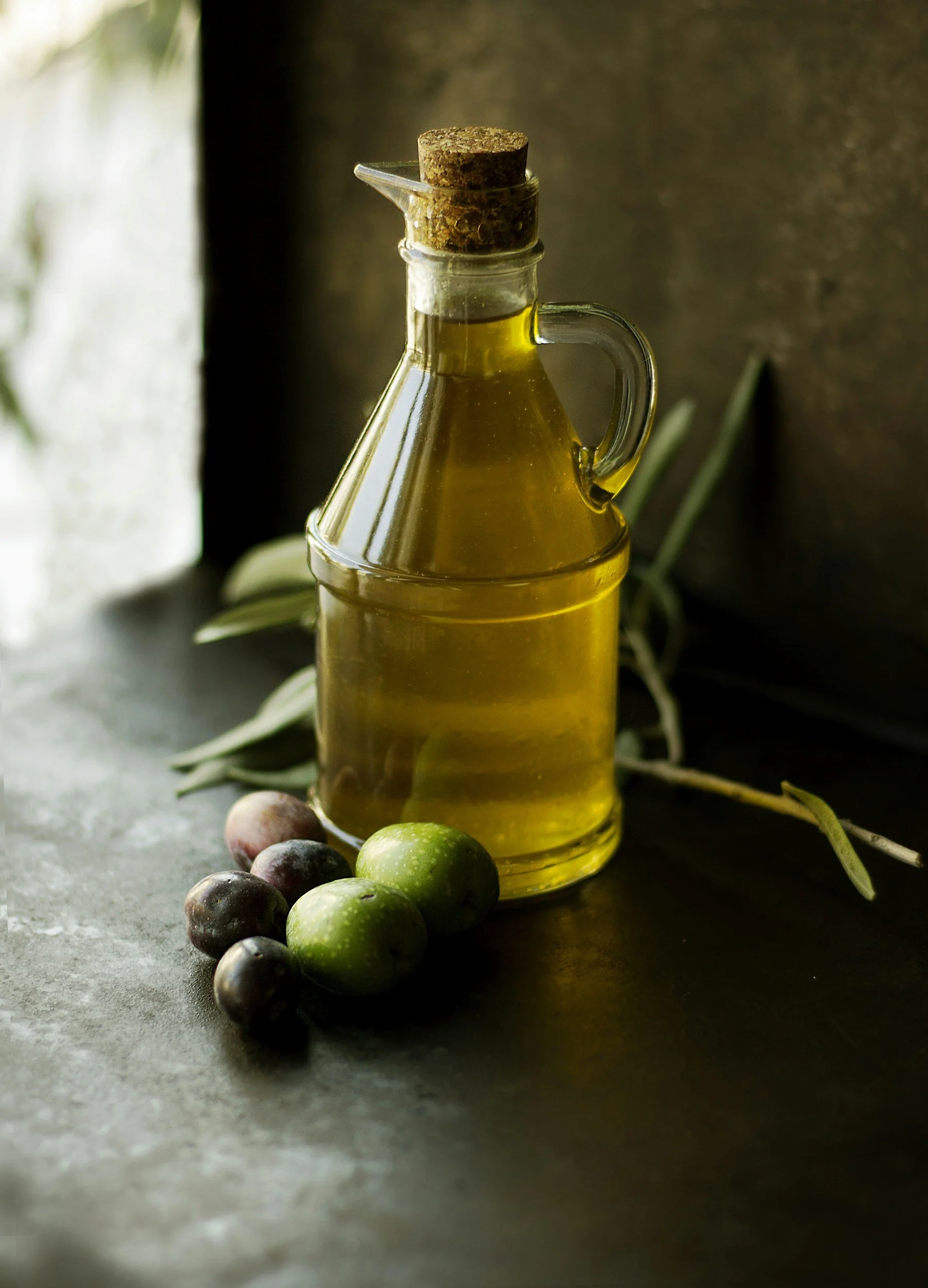
Olive oil is a staple in Mediterranean cuisine.
If there is one ingredient that captures the essence of Mediterranean cooking, it is extra virgin olive oil.
Golden, fragrant, and full of character, olive oil brings vegetables, legumes, salads, grains, and countless traditional dishes together. It is not a finishing touch; it is an integral part of the Mediterranean food culture.
Extra virgin olive oil is rich in monounsaturated fats, particularly oleic acid, and contains beneficial antioxidant compounds, including polyphenols. When used in place of less healthy fat sources, it can be an important part of a heart-conscious eating pattern.
A drizzle over freshly sliced tomato, a spoonful stirred into warm lentils, a homemade dressing with lemon juice, garlic, and oregano, or a little olive oil over roasted vegetables straight from the oven.
These small, everyday choices can make a meaningful difference to the quality of our meals.
Lifestyle Beyond the Plate
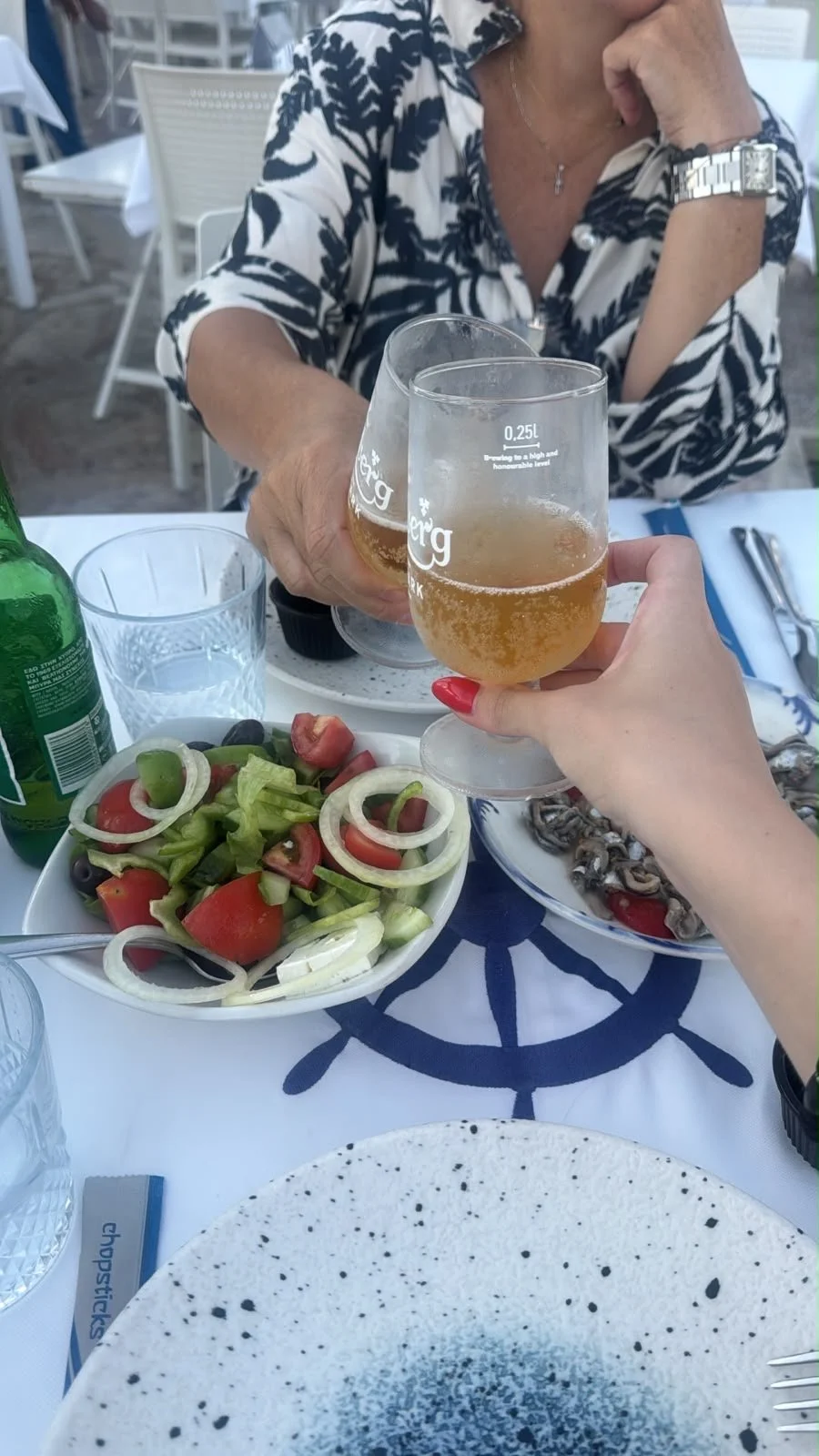
One of the most beautiful foundations of the Mediterranean lifestyle is that well-being is not built through a single ingredient or a perfect meal. It comes from the bigger picture.
It is about eating a variety of vegetables and fruits, enjoying legumes regularly, choosing whole grains, including nuts and seeds, and using olive oil as a primary source of fat. It also means enjoying fish and other protein sources in balance, while keeping highly processed foods and excessive amounts of added sugar from dominating our daily choices.
But the Mediterranean way of life extends beyond nutrition.
It is the pleasure of sitting down for a meal instead of rushing through it. The tradition of sharing food with family and friends. The joy of walking outdoors, spending time in nature, and finding moments of calm in an otherwise busy day.
Final Note from The Mediterranean Edit
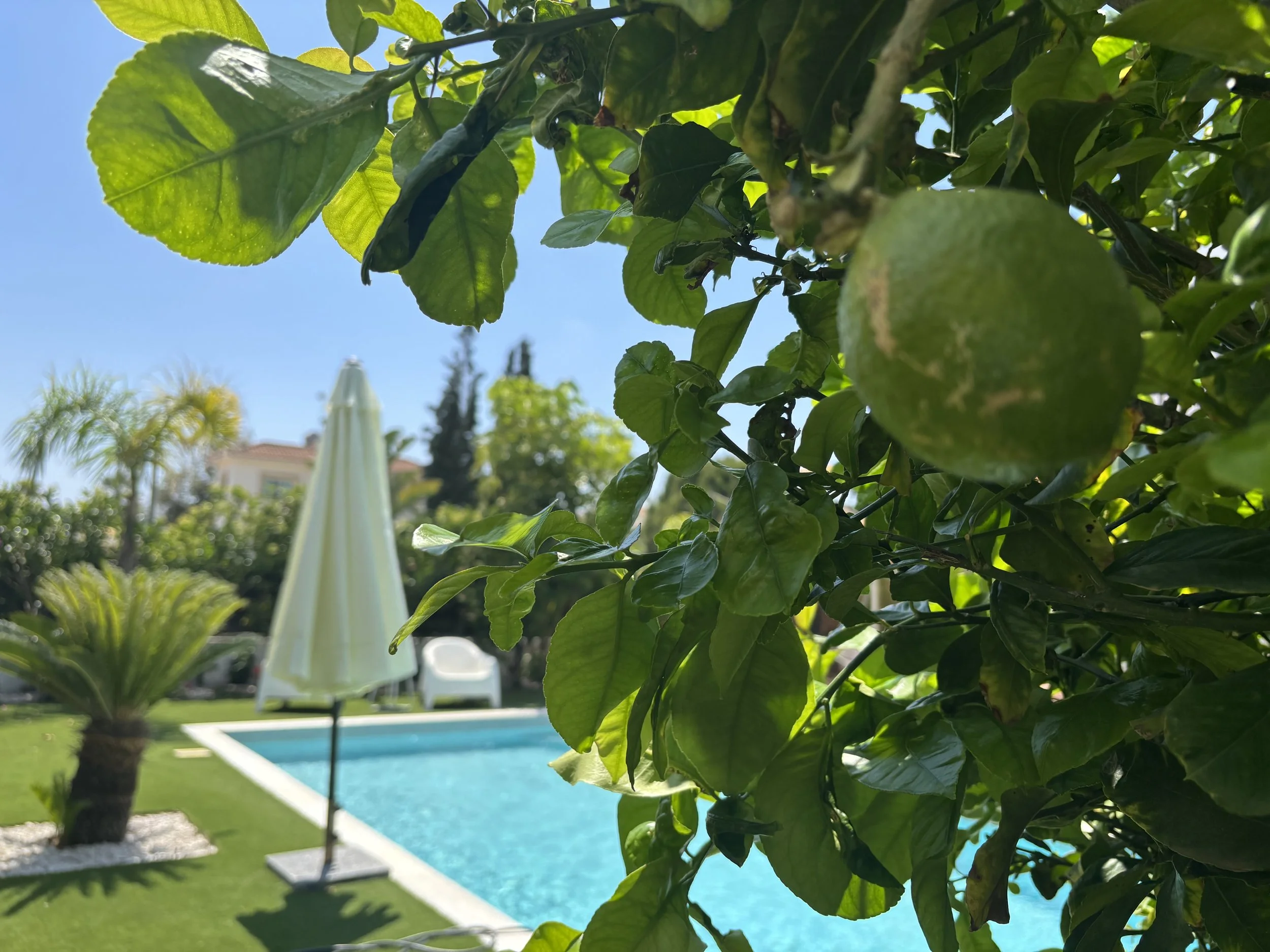
Lemon in our garden.
These simple rituals remind us that a healthy lifestyle should feel sustainable and enjoyable, not like another task on our to-do list.
We do not need to change everything overnight. Sometimes, well-being begins with something as simple as preparing a colorful salad, cooking a pot of lentils, or replacing a ready-made dressing with olive oil, lemon, and fresh herbs.
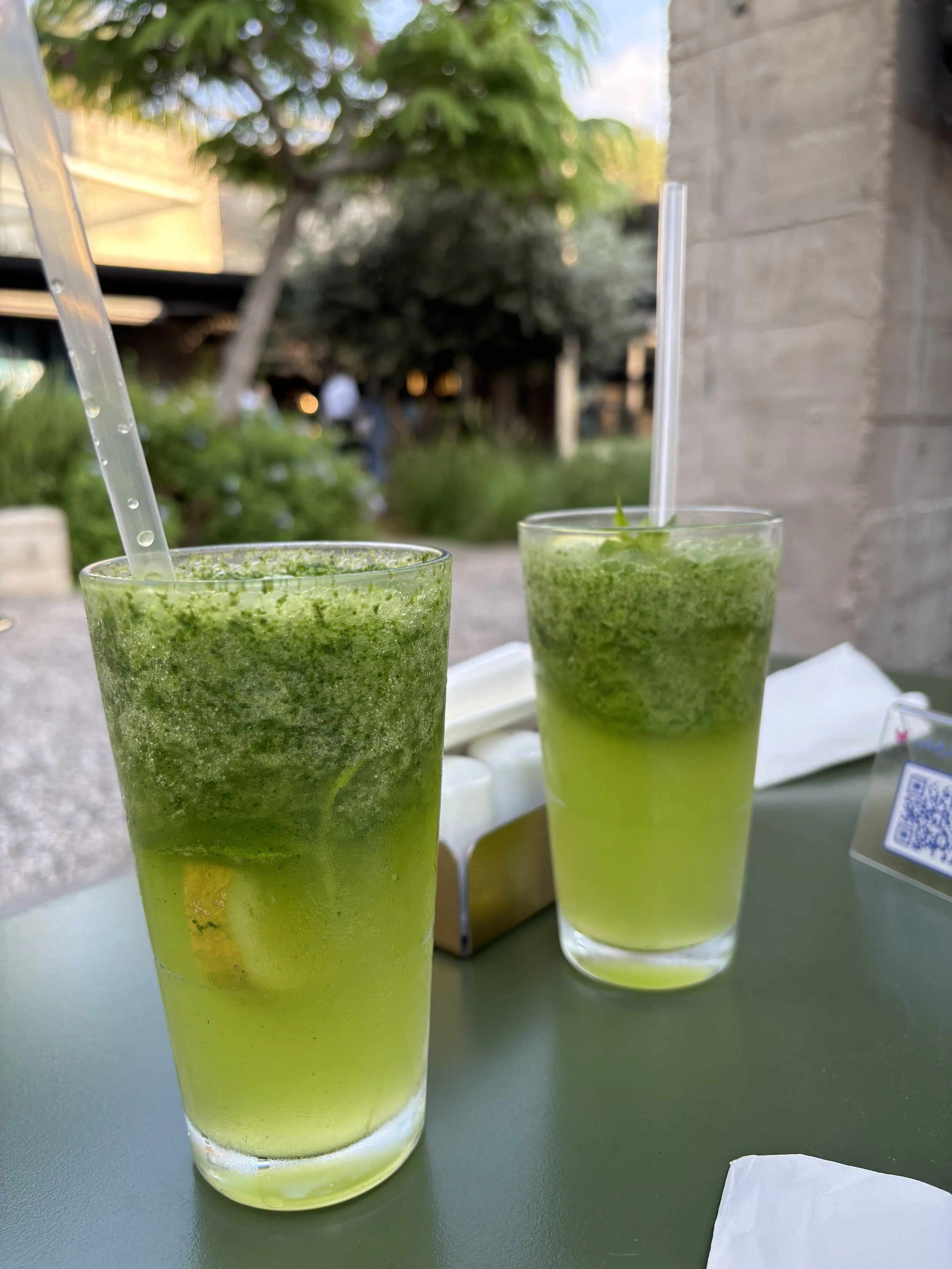
Freshly prepared mint lemonade.
Small habits, repeated consistently, can become a beautiful way of living.
Et voilà! Let's bring a little more Mediterranean sunshine to our tables!
Five Facts About Mediterranean Cuisine:
1- Olive oil is not just a dressing, it can be used to roast vegetables, cook legumes, flavor soups, and finish a simple slice of toasted bread.
2- Mediterranean-style cooking includes variety of vegetables like tomatoes, peppers, eggplant, zucchini, leafy greens as well as citrus fruits.
3- Across many Mediterranean cuisines, tomatoes, onions and garlic form the foundation of many dishes.
4- Herbs and spices are a staple in these cuisines specifically oregano, mint, parsley, rosemary, thyme, basil, and lemon.
5- Fish and seafood, legumes, whole grain foods feature regularly in many coastal Mediterranean cuisines.