Sous le Ciel de Paris, the iconic song of Édith Piaf describes an eternal Paris and captures the emotional identity of the City of Lights. But beneath the most romantic sky in the world, recent events have placed the nation under the weight of uncertainty, testing its resilience and resolve.
Have you ever wondered why is this song, which embodies the soul of Paris, so iconic?
Everyday Life of Paris
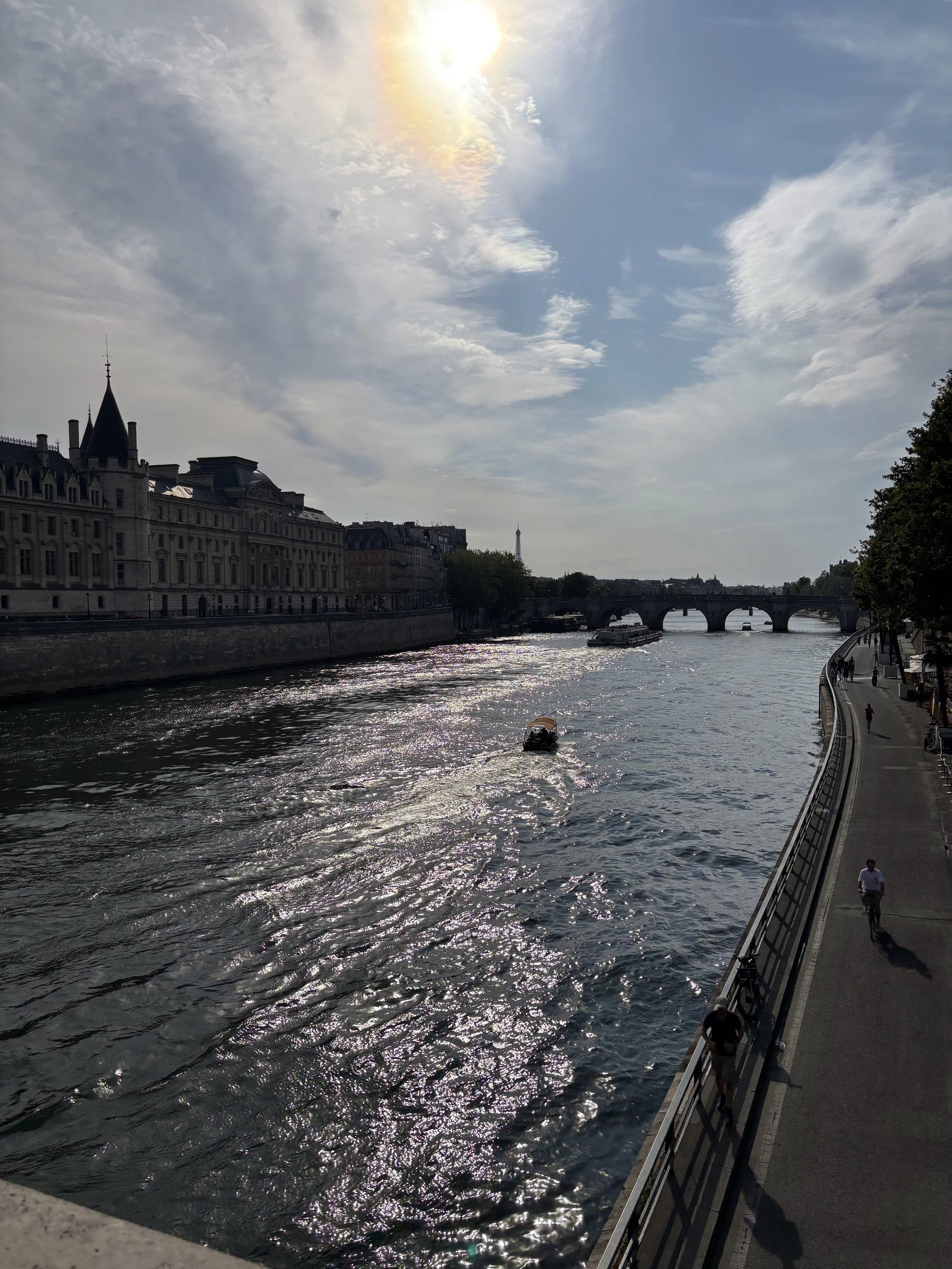
View from a bridge on The Seine.
Originally written for the 1951 film Sous le Ciel de Paris, the song became inseparable from the city it portrays.
When interpreted by Édith Piaf, it transformed into something far greater than a film soundtrack, it became a musical portrait of Paris. Piaf’s raw, intimate vocal style gives the song a sense of authenticity, as if she is not singing about the city, but from within it.
Unlike patriotic or celebratory songs, Sous le Ciel de Paris focuses on everyday life beneath the sky of Paris: lovers walking along the Seine, street musicians performing on corners, the quiet beauty of bridges, rooftops, and cafés.
It embodies the emotional rhythm of ordinary Parisians.
This grounding in daily life is what makes it so special, as it doesn’t idealize Paris, but humanizes it.
Musically, the composition is elegant and restrained. Its orchestration supports rather than overwhelms the voice, allowing Piaf’s emotional delivery to carry the meaning.
This simplicity is intentional: it mirrors the effortless beauty of Paris itself.
Cultural significance
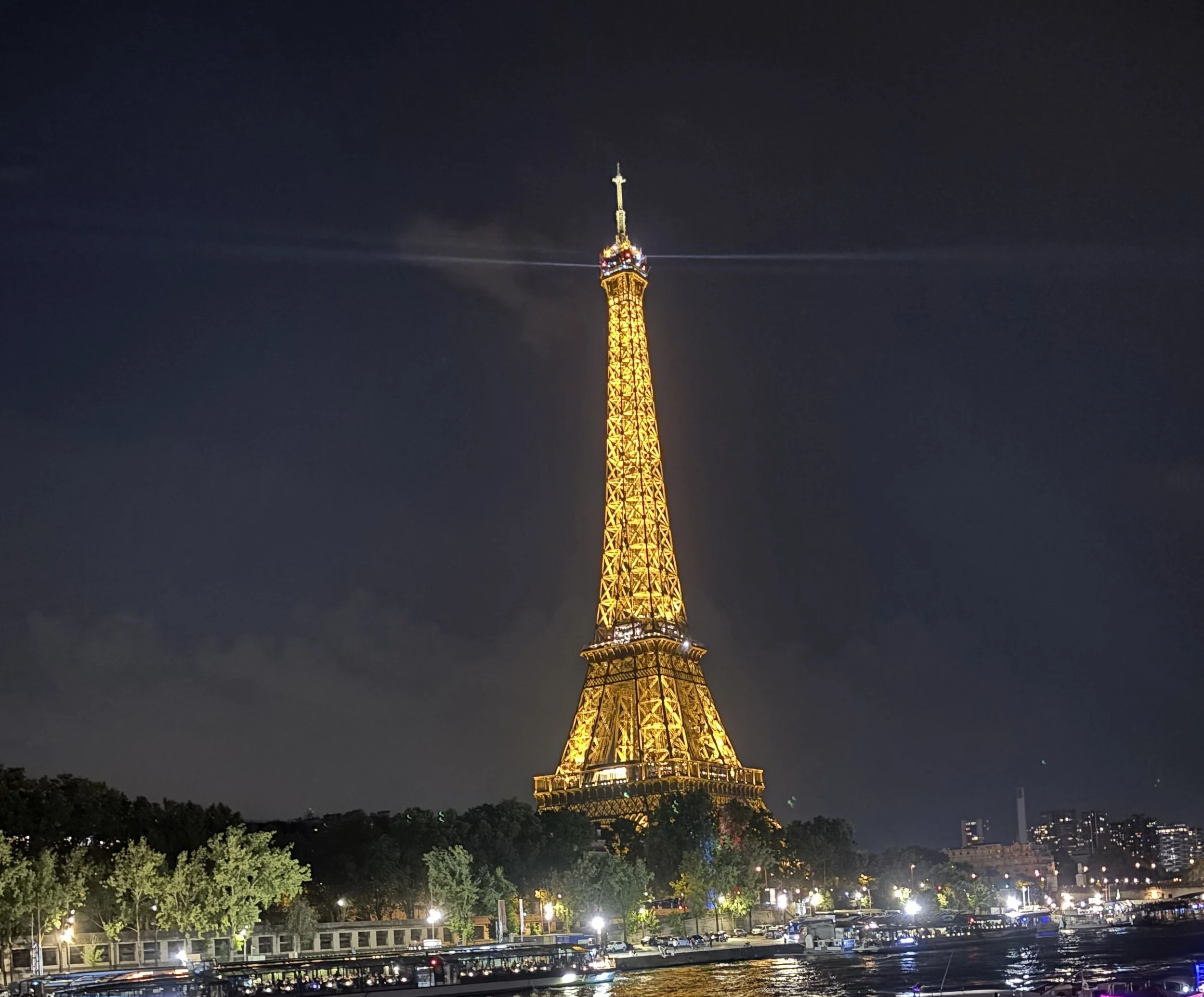
The Eiffel Tower at night.
Over time, the song has become a global symbol of Parisian identity. It is frequently used in films, documentaries, and travel media whenever Paris is portrayed as romantic, nostalgic, or timeless. For many listeners around the world, it is the sound of Paris.
It also represents a key moment in French cultural history, post-war France reasserting its artistic identity through chanson, a genre that blends poetry, storytelling, and music.
The song is more than a love letter to the French capital, it evokes a Paris shaped by fleeting encounters, riverside conversations, timeless architecture, and the quiet poetry of everyday life.
Under the Parisian sky, the song conveys a strong message that the art of living beautifully is intertwined with its soul despite all hardships.
Final Note
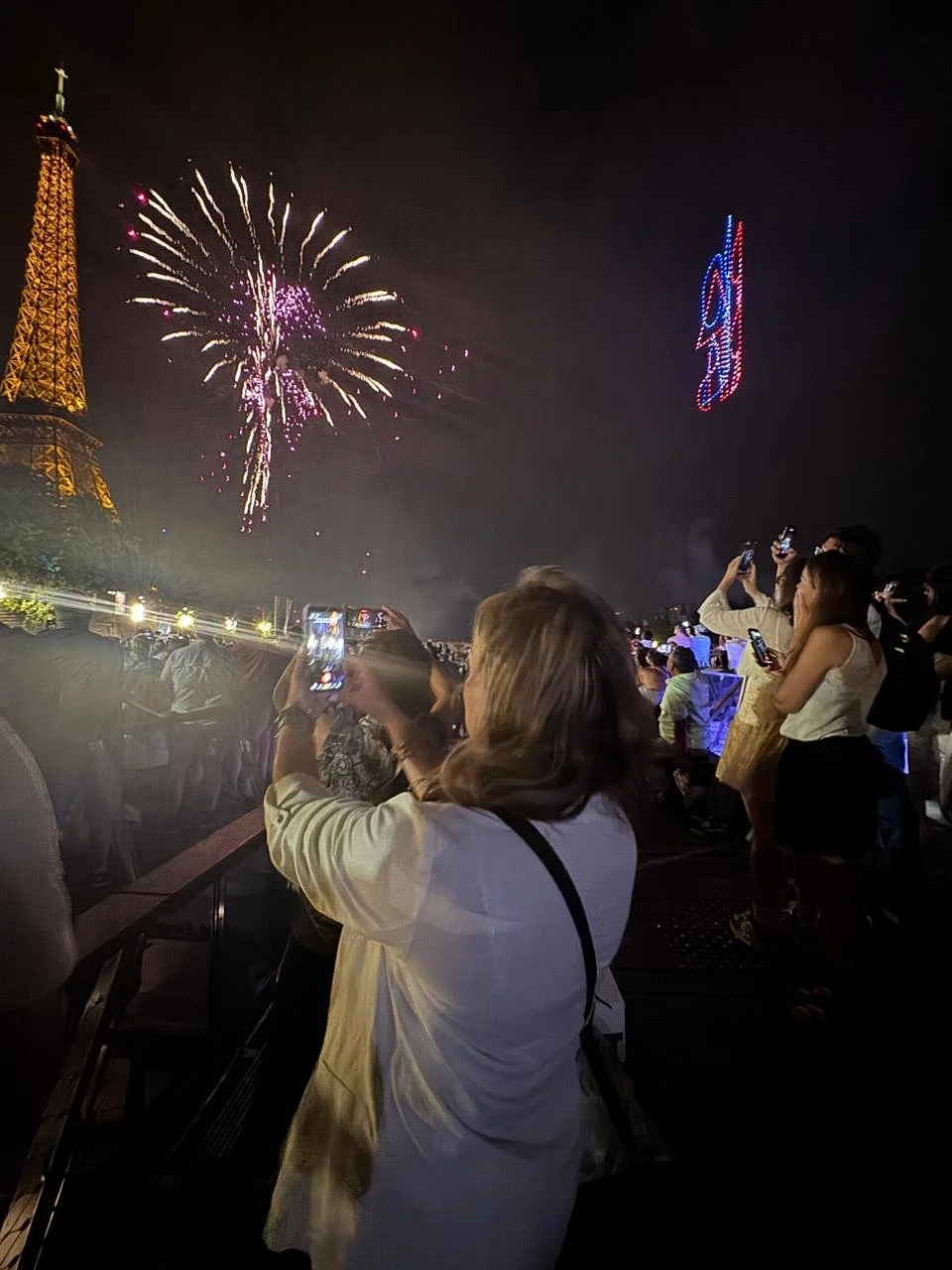
Norma filming the fireworks in Paris on the eve of 14 th of July.
Sous le Ciel de Paris endures because it speaks to something universal: the idea that a city is not just architecture or geography, but a lived experience.
Under the sky of Paris, life continues in all its beauty, simplicity, and imperfection and Piaf’s voice preserves that moment in time.
Et voilà! That was the story In short, it is not just a song about Paris, it is Paris transformed into music.
Five Facts About “Sous Le Ciel De Paris” and Édith Piaf:
1- The lyrics of “Sous le Ciel de Paris” refer to the River Seine, the Pont de Bercy, Notre-Dame and Île Saint-Louis.
2- The song was written by composer Hubert Giraud and lyricist Jean Dréjac for the film of the same name, and it became widely popular through performances by Édith Piaf and Yves Montand.
3- Piaf’s full name is Édith Giovanna Gassion, she was born on 19 December 1915, in Paris and died on 10 October 1963, in Plascassier, France.
4- Her rendition, recorded shortly after Yves Montand’s version, transformed the song into an emblem of Parisian identity.
5- The best known recordings of Piaf include “La Vie en Rose”, “Non, je ne regrette rien” and « Hymne à l'amour ».