The Art of the Fry: Belgian &Dutch Street Culture
In the streets of Belgian and Dutch cities, one of the first things to catch the eye is the abundance of fries’ shops. In Belgium and the Netherlands, frying is more than a cooking technique; it is part of the street and the culture.
There are few pleasures as simple and as deeply rooted in everyday life as a perfectly fried bite.
From golden Belgian frites served in a paper cone to crispy Dutch snacks enjoyed from a snack bar, the art of frying has transformed humble ingredients into beloved culinary traditions. Potatoes, croquettes, cheese, and other local favorites are immersed in hot oil, emerging crisp, golden, and irresistibly comforting.
The Belgian Way
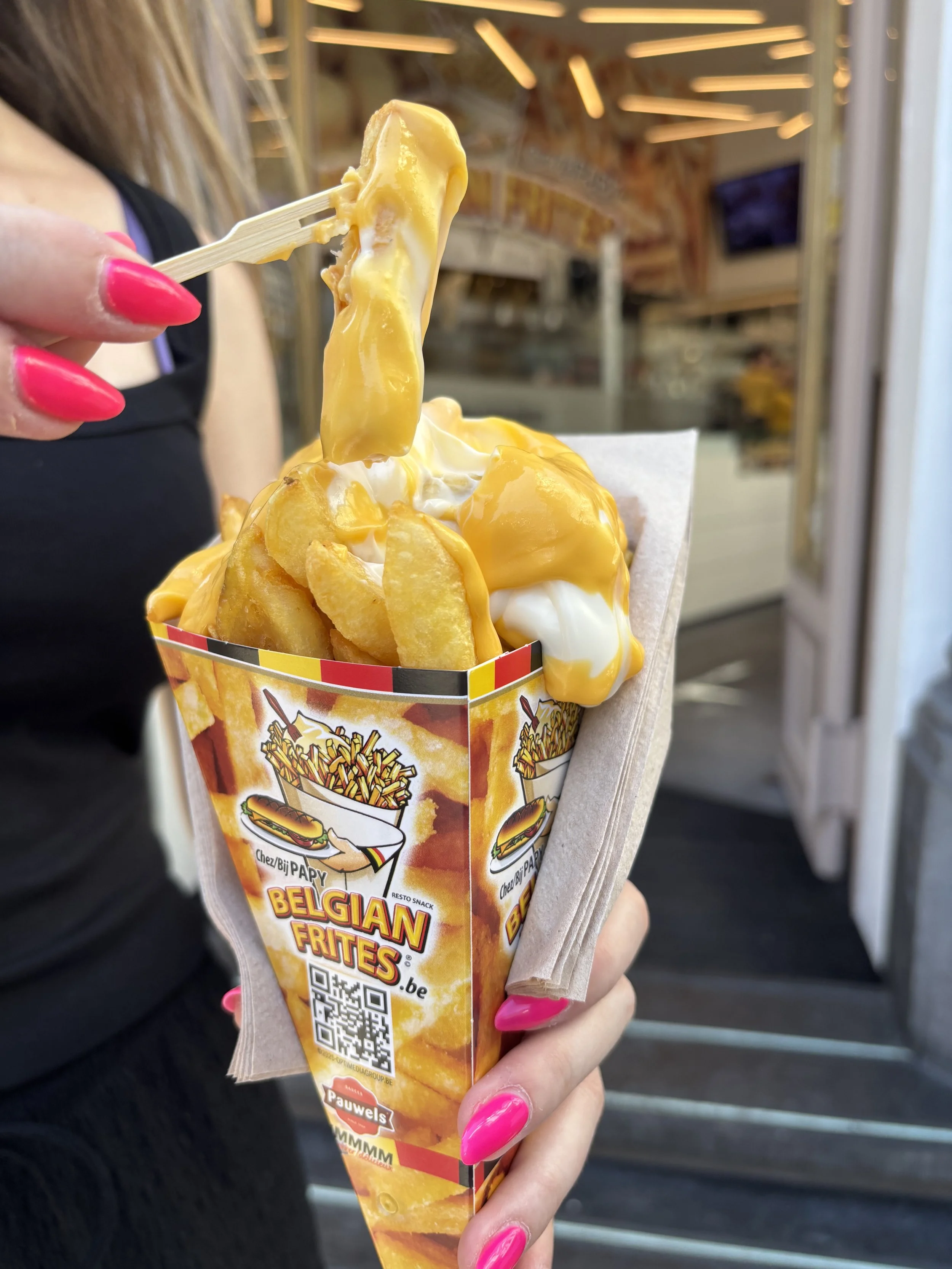
Belgian fries in one of the streets near Grand Place in Brussels.
Belgium has arguably the strongest fries’ culture in Europe. The country has thousands of friteries and frietkots, with Belgian tourism sources describing fries as a national pride and noting that they can be found in virtually every town, district and village.
There is even a particular ritual to them: a paper cone filled with golden, double-fried potatoes, usually finished with mayonnaise or one of the many sauces available.
And the Belgian approach is remarkably serious. The potato is cut carefully, fried twice for that characteristic crisp exterior and soft interior, and treated less like fast food than a culinary craft. Belgian fries’ culture has also been recognized as part of the country's intangible cultural heritage.
Perhaps most importantly, fries are social. A visit to the friterie can be a weekly ritual, an after-concert stop, something shared after a football match or simply an easy meal on an ordinary evening.
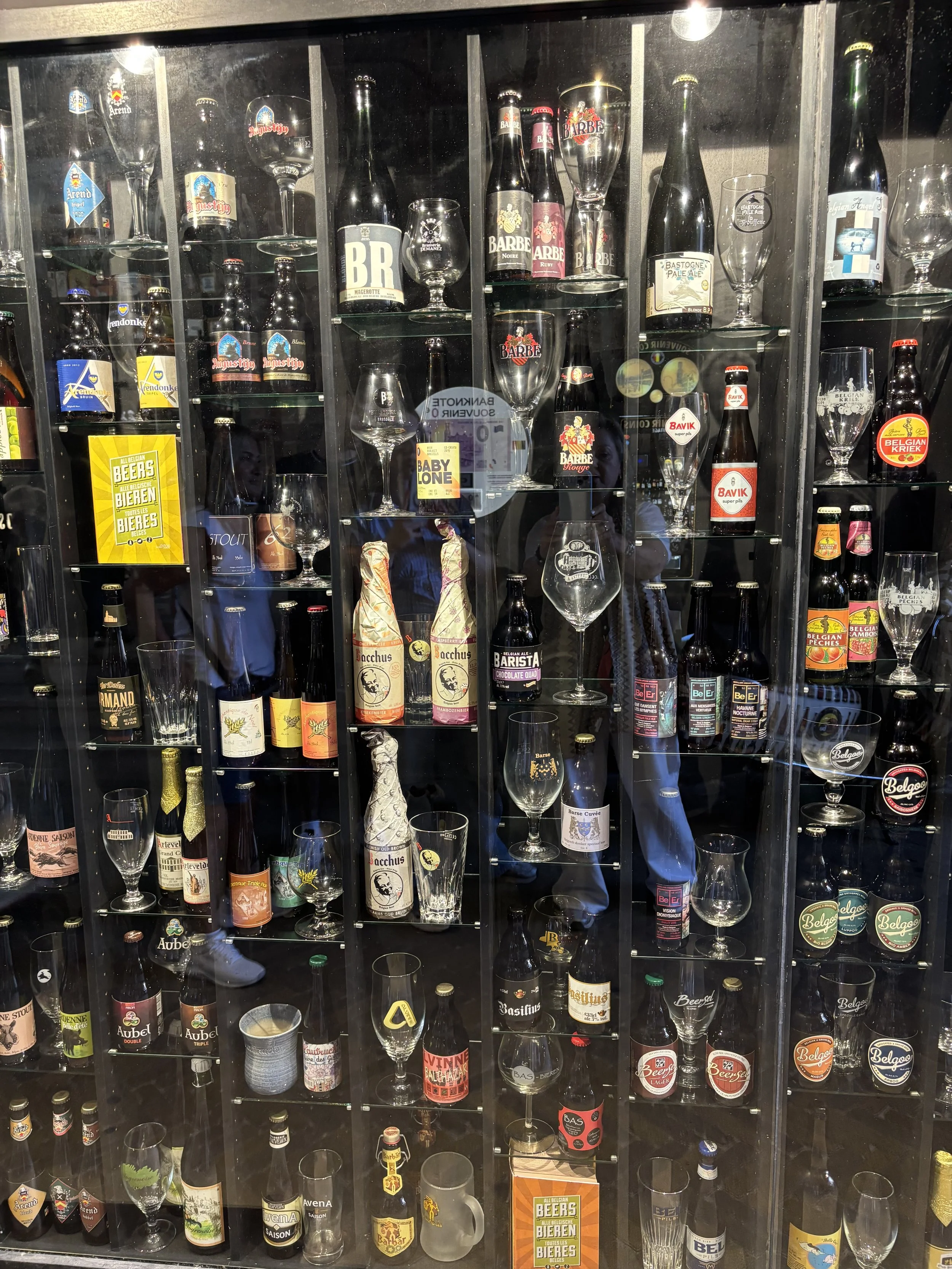
Belgian Beers, each displayed with its own glass, in Bruges.
What better combination than to have it with beer. A cone of fries can accompany a beer, a casual conversation, a night out or a walk through the city. It doesn't need a special occasion.
The Dutch Patat
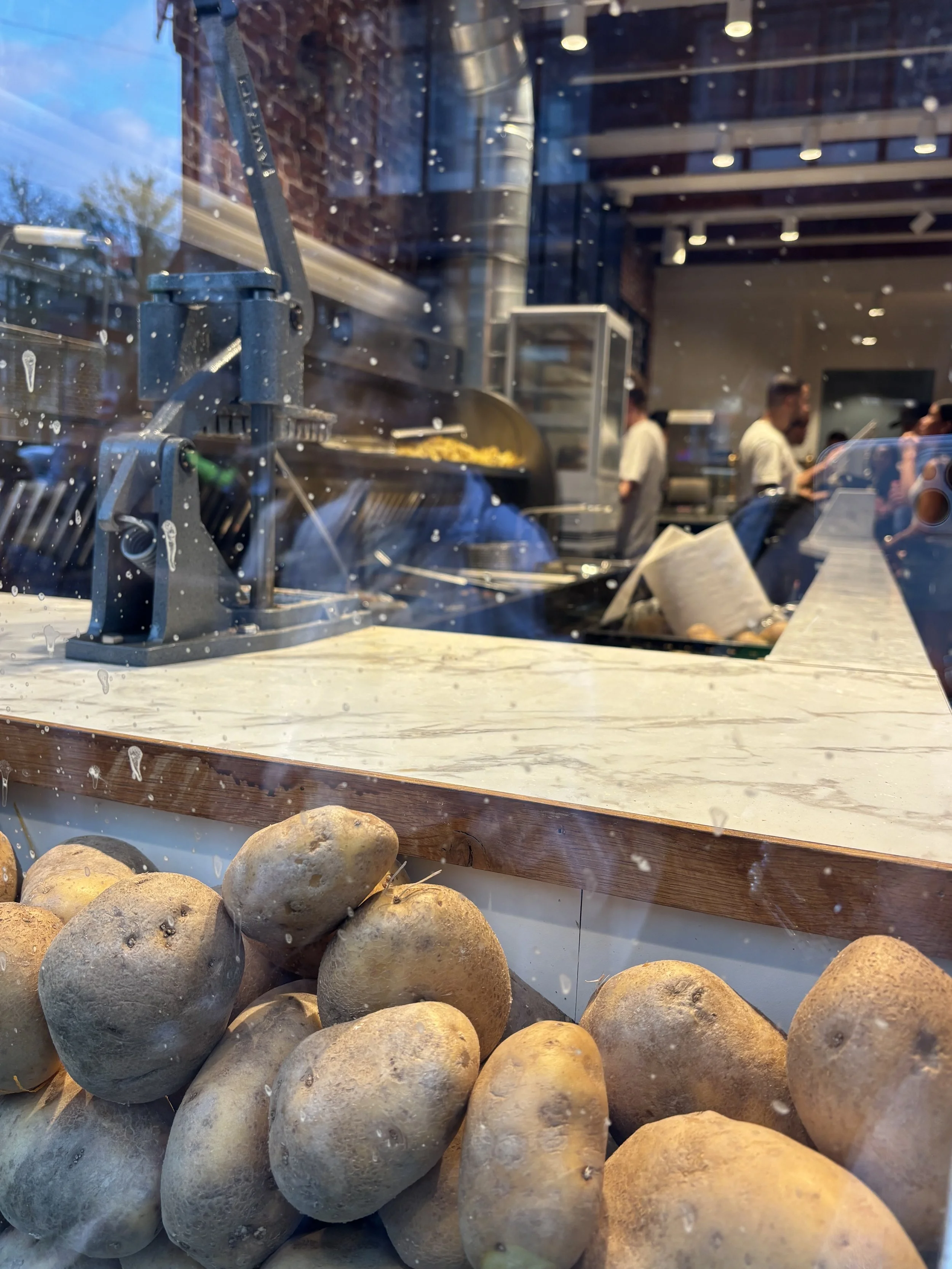
The window of one shop selling fries in the center of Amsterdam.
Across the border, the Dutch have developed their own equally distinctive snack culture.
In the Netherlands, you will hear patat or friet, depending on the region. Snack bars and snackbars are deeply embedded in everyday Dutch life, serving fries alongside classics such as frikandel and kroket.
The tradition of buying fried food from snack bars has been part of Dutch household life for generations
Amsterdam takes this culture very seriously. The city's streets are full with shops selling fries with a wide variety of sauces, from satay and curry to mayonnaise.
Guilt pleasure
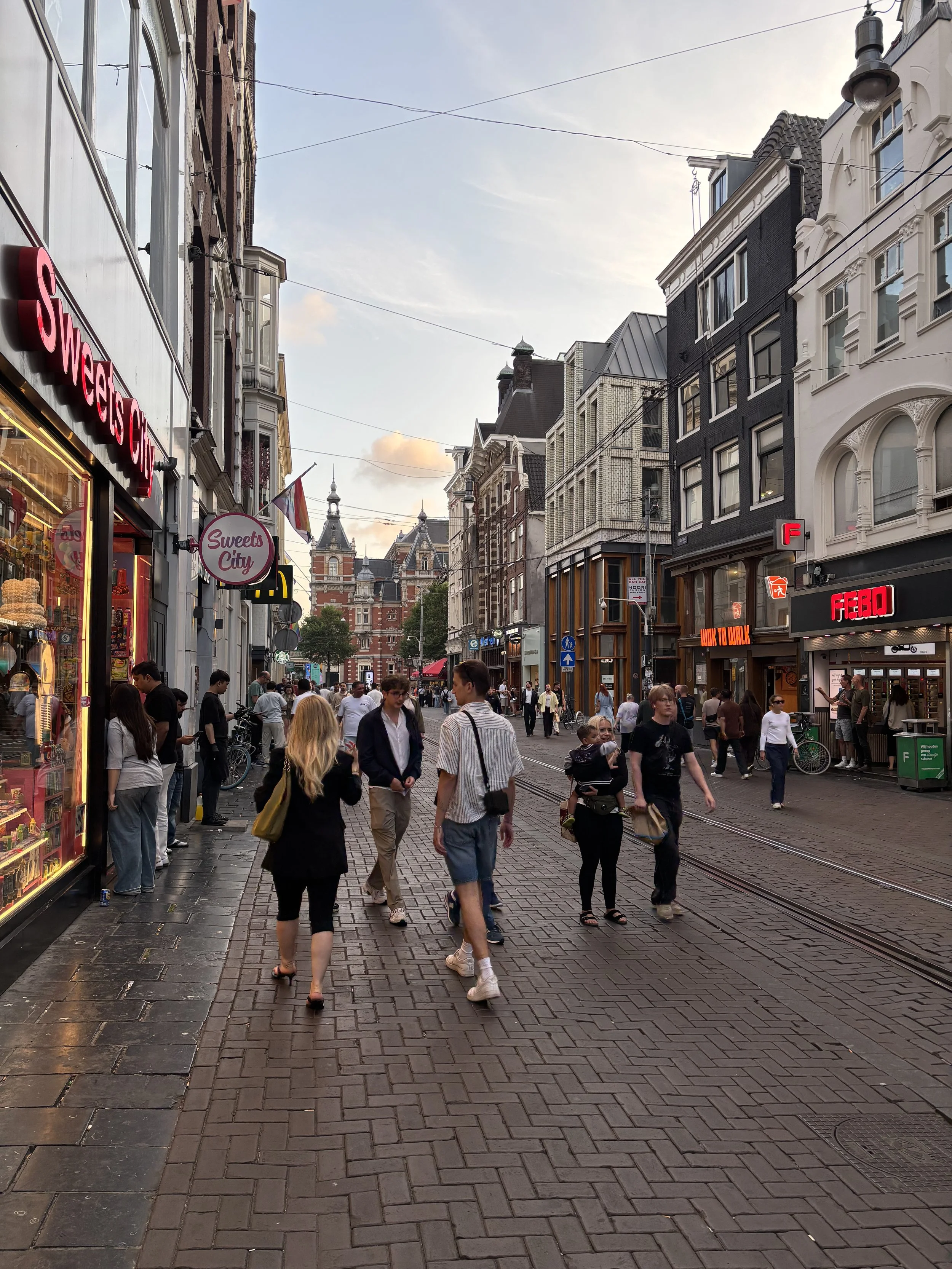
In the streets of Amsterdam.
In many places, fries are framed as a guilt pleasure, something indulgent that should be limited, justified or followed by a healthier choice.
In Belgium and the Netherlands, the cultural attitude feels different. Fries are deeply embedded in the everyday food landscape, and their enjoyment is not necessarily presented as something that requires an apology.
Of course, that doesn't mean people literally eat fries without concern for health or nutrition. Rather, the cultural relationship with them is less moralized. They are food, pleasure and tradition all at once.
Final Word
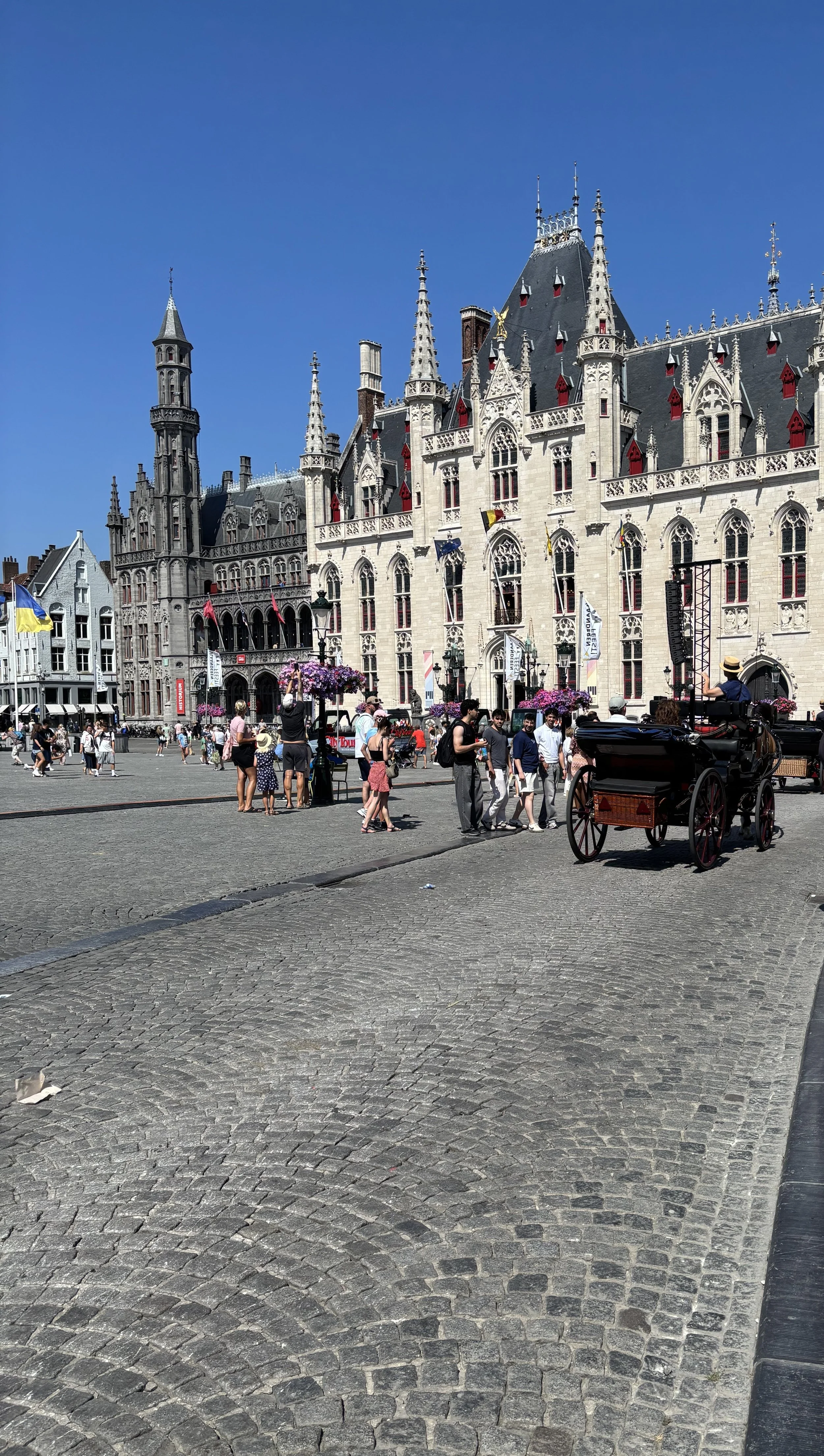
In one of the squares of Bruges.
With its social significance, the culture of fries in those European countries connects well with the Mediterranean art of living often associated with sharing food, lingering over a meal and enjoying conversations.
Belgium and the Netherlands express something similar, but with a paper cone of fries instead of a Mediterranean table.
It is the idea that food doesn't always need to be complicated to be meaningful.
Sometimes it is simply a perfectly crisp potato, a generous sauce, a cold beer, good company and nowhere else you need to be.
Et voilà! We enjoyed trying this culinary tradition only to realize that a humble fryer can reveal something larger about local tastes and social life.
Five Facts About the Fries’ Culture:
1- Belgian fries are traditionally thick-cut, with a crisp exterior and soft, fluffy interior due to the double frying technique: first at a lower temperature to cook the potato and then at a higher one to crisp the exterior.
2- Bruges is home to the Frietmuseum, devoted entirely to the history of the potato and Belgian fries. It presents fries as part of Belgian culinary and cultural history.
3- Fries are not necessarily a side dishin Belgium and the Netherlands, they can constitute the main meal, accompanied by sauces and one or more fried snacks.
4- While Belgian fries are traditionally served in a cone, Dutch fries are commonly served in a paper tray or sometimes a cone as well. The packaging is part of the street-food ritual.
5- The popular image of traditional Belgian fries being fried in beef tallow is historically important, but modern Belgian friteries also use vegetable oils.