Anfeh & Fikardou: A Mediterranean Partnership in Heritage
Across the eastern Mediterranean, two villages, Anfeh in northern Lebanon and Fikardou in Cyprus, are proving that cultural heritage can build bridges across borders.
Despite their different landscapes, one coastal and one mountainous, they share a powerful commitment to preserving tradition, supporting sustainable tourism, and protecting living heritage.
I visited Fikardou during the Festive season on Christmas as it is part of the Christmas villages in Cyprus, and I did a tour in Anfeh this month during a trip to Lebanon.
Let’s discover together those traditional villages that share Mediterranean heritage!
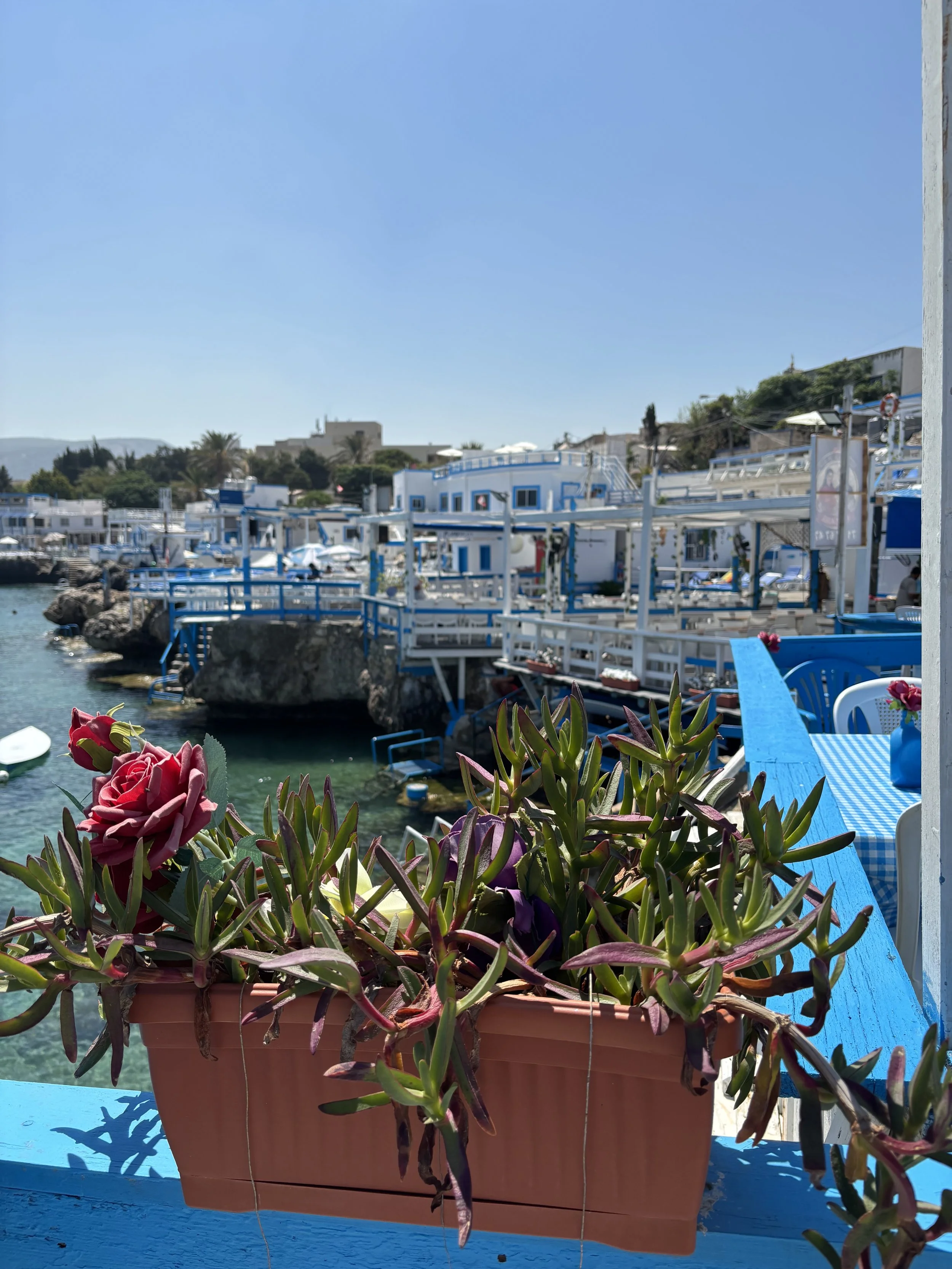
The seafront of Anfeh
Anfeh: Lebanon’s Coastal cultural Landscape
Located on the coastline of northern Lebanon, some 70 km north of Beirut, Anfeh is one of the region’s oldest continuously inhabited settlements. The town is known for its dramatic rocky peninsula, carved stone landscapes, and ancient salt pans that have shaped local life for centuries.
Salt production remains one of Anfeh’s most iconic traditions, often referred to as the town’s “white gold.” Alongside fishing and olive cultivation, it reflects a way of life deeply connected to the sea and land. Archaeological traces from Phoenician, Roman, Byzantine, and Crusader periods highlight Anfeh’s long historical continuity and cultural richness.
Today, Anfeh is increasingly recognized as a living cultural landscape.
Fikardou: A Preserved Cypriot Mountain Village
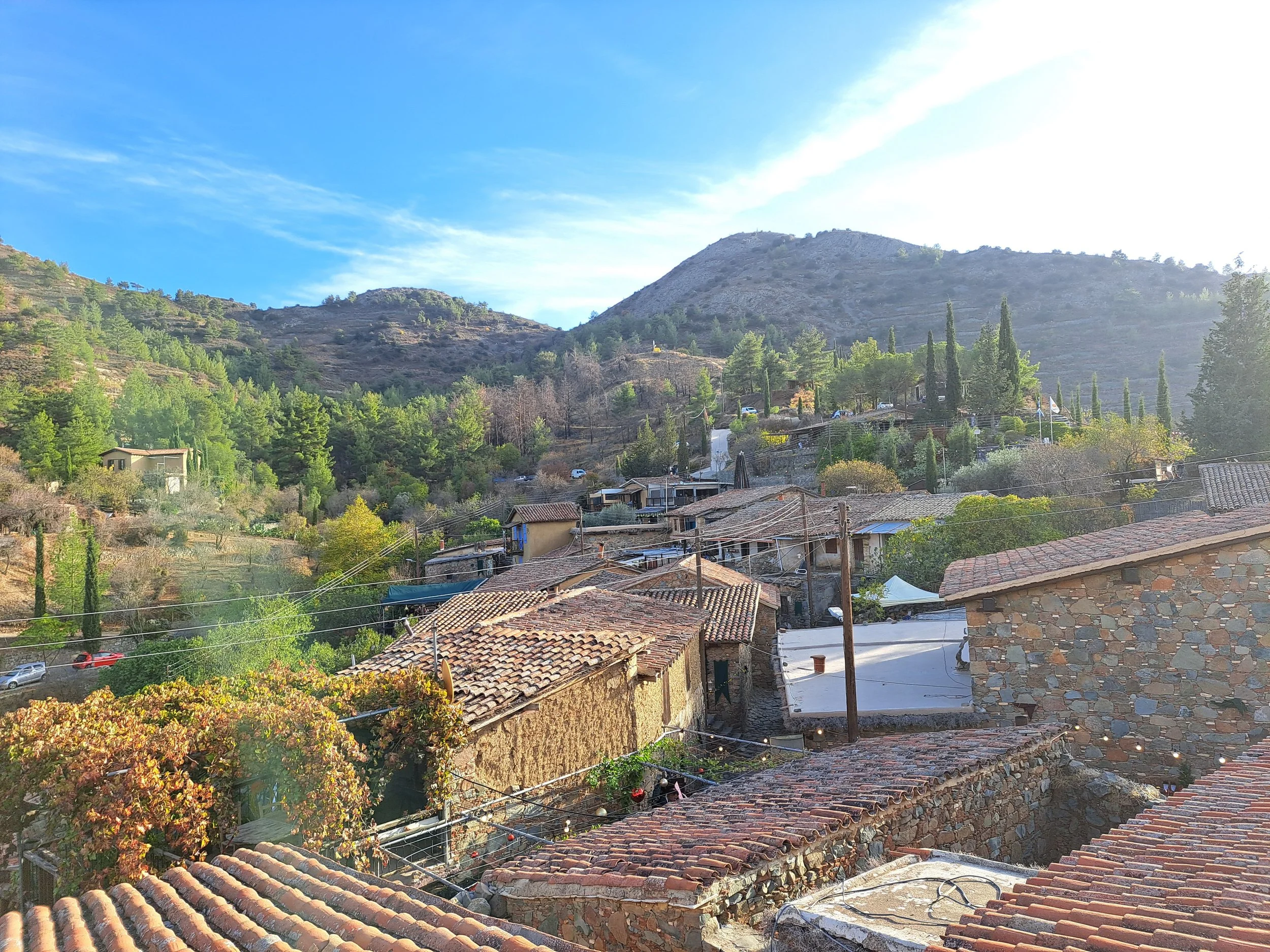
A general view of Fikardou.
High on the slopes of the Troodos Mountains lies Fikardou, one of Cyprus’ best-preserved traditional villages. Sitting at an altitude of 900 meters, it is located approximately 40 km (about a 45-minute drive) southwest of Nicosia.
This village offers a rare glimpse into 18th and 19th-century rural life, with its stone-built houses, narrow winding streets, and agricultural heritage still clearly visible.
Fikardou is widely recognized for its exceptional architectural integrity and its ability to preserve the character of a historic Cypriot mountain community. The village reflects a harmonious relationship between people and their natural environment, making it a valuable example of sustainable vernacular architecture.
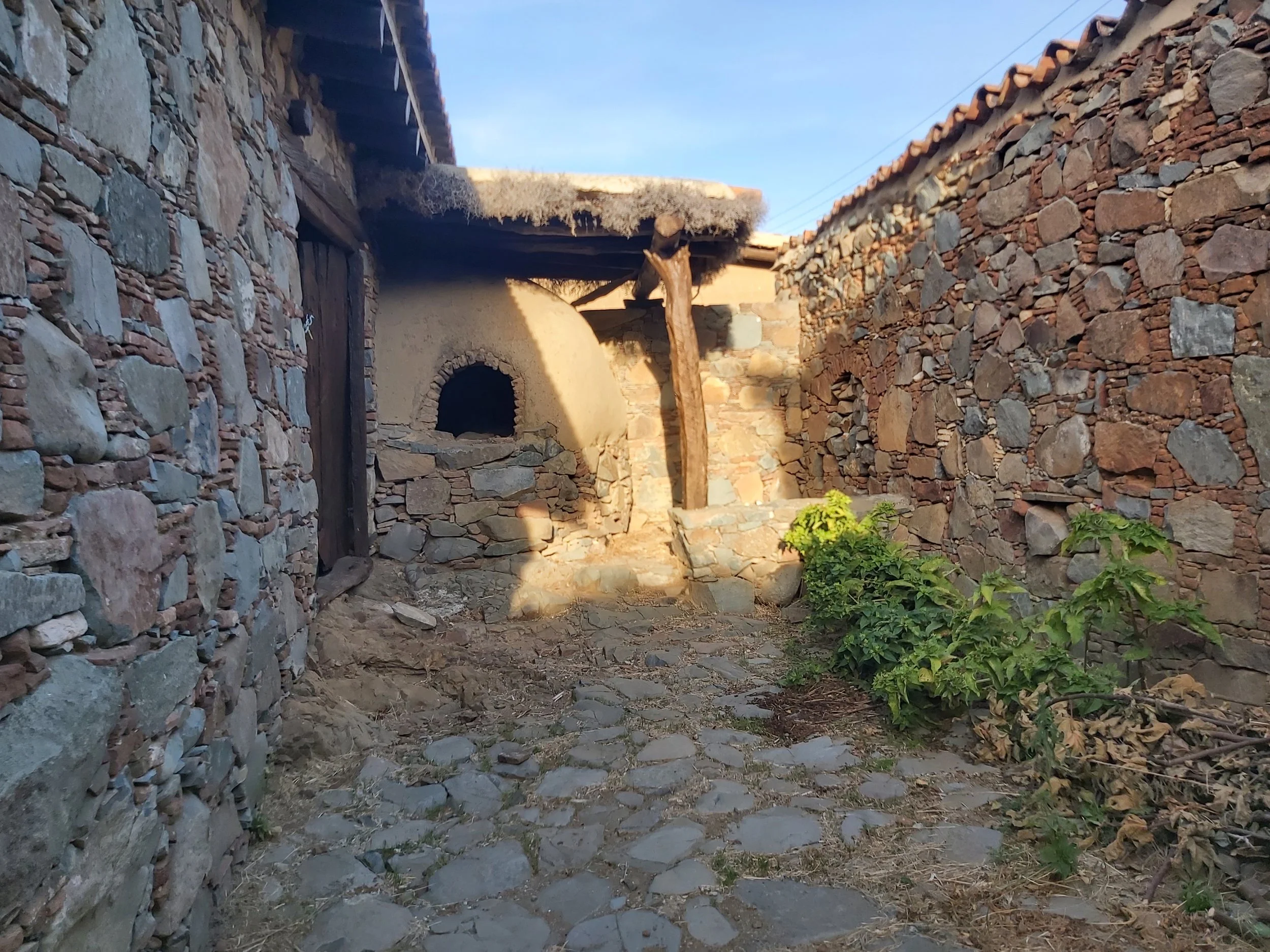
One house in Fikardou.
Its cultural significance has earned it a place on UNESCO’s Tentative List, highlighting its importance as part of Cyprus’ heritage legacy.
A Shared Vision
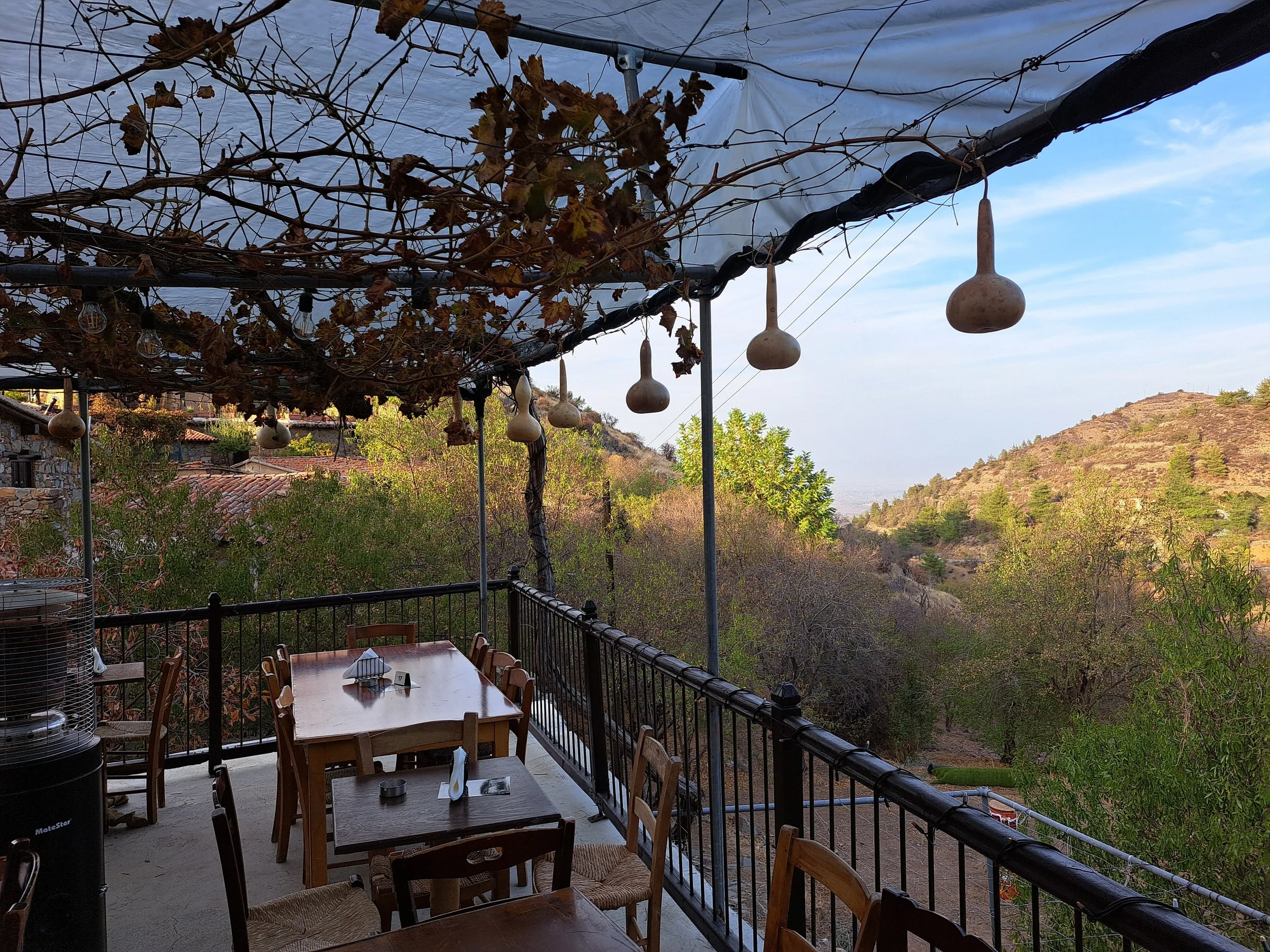
One restaurant I visited in Fikardou
Despite being located in different countries, Anfeh and Fikardou have formed a partnership centered on cultural heritage and sustainable development.
What they share is that they are located in natural landscapes shaped by human adaptation.
In 2022, the two communities signed a Memorandum of Understanding as part of broader Mediterranean cooperation initiatives involving cultural preservation and knowledge exchange.
This collaboration focuses on several key areas like sharing best practices in heritage conservation, promoting sustainable and community-based tourism, supporting local crafts and traditions, encouraging cultural exchange and dialogue between communities and developing digital tools for documenting and promoting heritage.
Both villages serve as living examples of how small communities can actively protect their identity while adapting to modern challenges.
The Significance of This Partnership
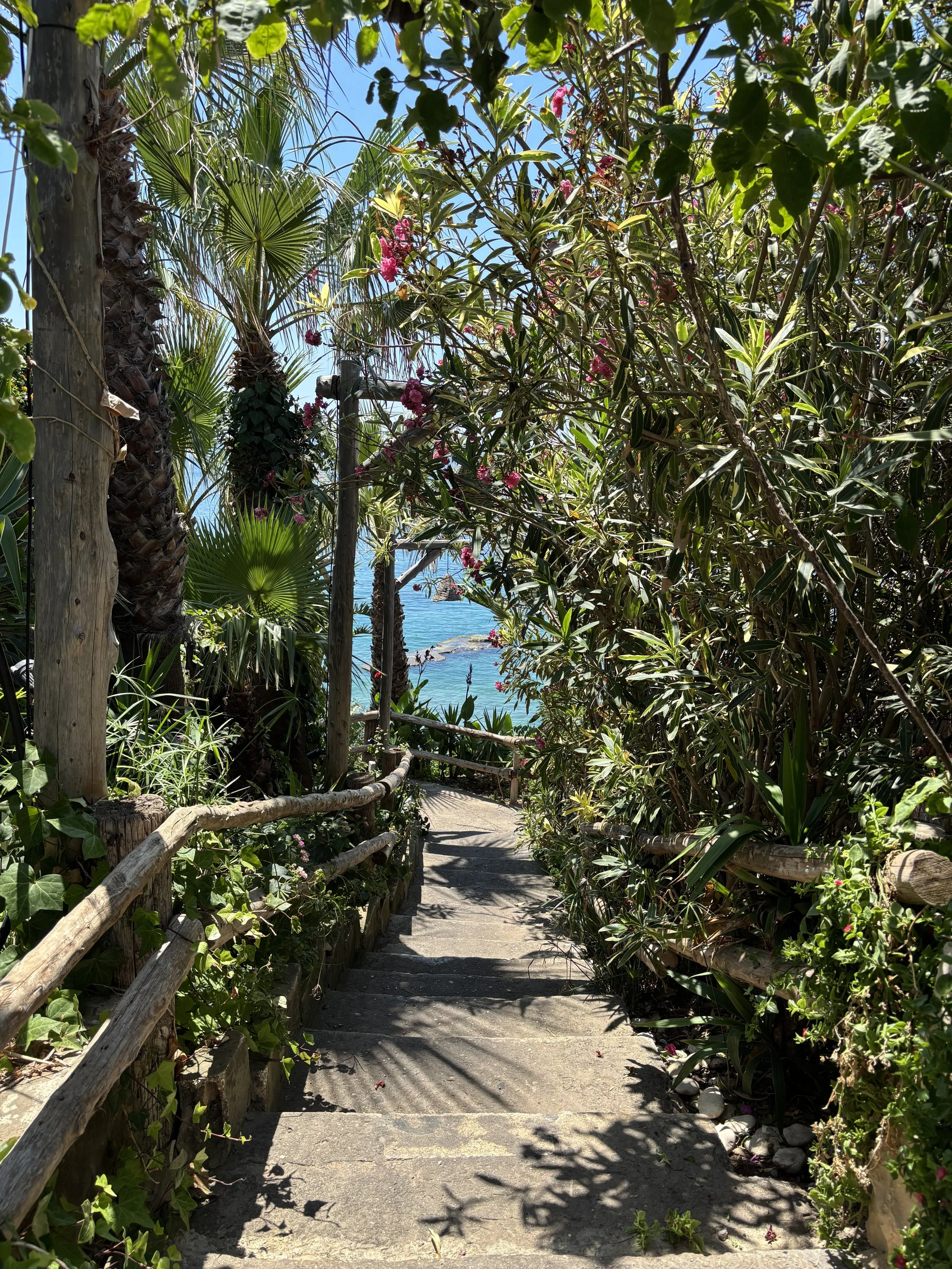
The northern coast of Lebanon
What makes this cooperation meaningful is the contrast and complementarity between the two villages.
Anfeh represents a coastal Mediterranean heritage landscape, shaped by the sea, salt production, and ancient maritime trade routes. Fikardou represents a mountainous rural heritage landscape, rooted in agriculture, craftsmanship, and Cypriot village traditions.
Together, they highlight a shared Mediterranean identity built on resilience, sustainability, and deep respect for cultural heritage.
“Two Jewels”
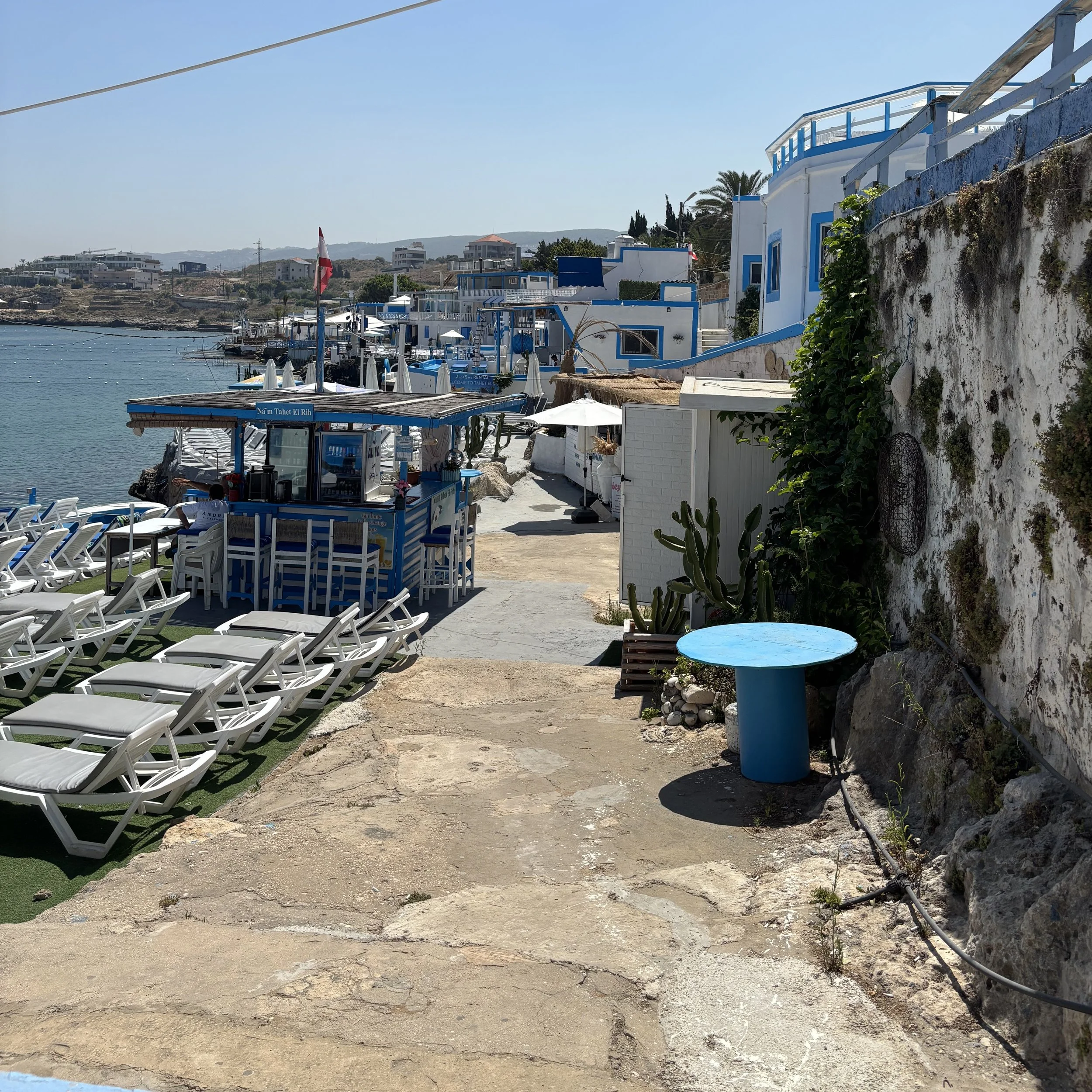
Anfeh’s coastline
The TExTOUR project funded by the European Union described the two villages as “Two heritage jewels placed between the sea and the sky”.
This project co-designed pioneering and sustainable cultural tourism strategies to improve deprived areas in Europe and beyond wrote on its website “Anfeh and Fikardou share important similarities: both are placed on the Tentative List of the UNESCO World Heritage, which means both are aiming at a high-quality protection and management of their components that constitute their uniqueness”.
It added that “both present a harmonious relationship between the built and the natural environment, enabling a perspective of cultural landscape”.
Final Word
The partnership between Anfeh and Fikardou shows that heritage is not just about preserving the past, it is also about creating connections for the future.
Et voilà! That was a living example of how the Mediterranean connects two worlds!
Five Facts About Anfeh and Fikardou:
1- Both villages carry the Byzantine inheritance, not as a museum piece but as a living architectural and cultural presence.
2- Anfeh is considered a rare example of a living cultural landscape, where nature and human activity are deeply intertwined.
3- Fikardou preserves an authentic 18th–19th century rural settlement layout and architecture and it is recognized as one of Cyprus’ best-preserved examples of traditional mountain village life.
4- The main characteristic of Fikardou lies in its architectural integrity and harmony with the natural environment
5- In Anfeh, historically, livelihoods included fishing, salt production, and agriculture, especially olive cultivation.