Lefkara: Where Lace Meets Silver
Known for its world-famous lace, handcrafted silver, traditional architecture and warm Cypriot hospitality, Lefkara is a picturesque village in Cyprus where history and craftsmanship come together in the most beautiful way.
Nestled on the southern foothills of the Troodos Mountains, Lefkara is one of Cyprus' most enchanting traditional villages, offering visitors an unforgettable glimpse into the island's rich cultural heritage.
In today's world of mass production, Lefkara stands apart. Let’s discover together this charming village!
Authentic Cypriot Culture
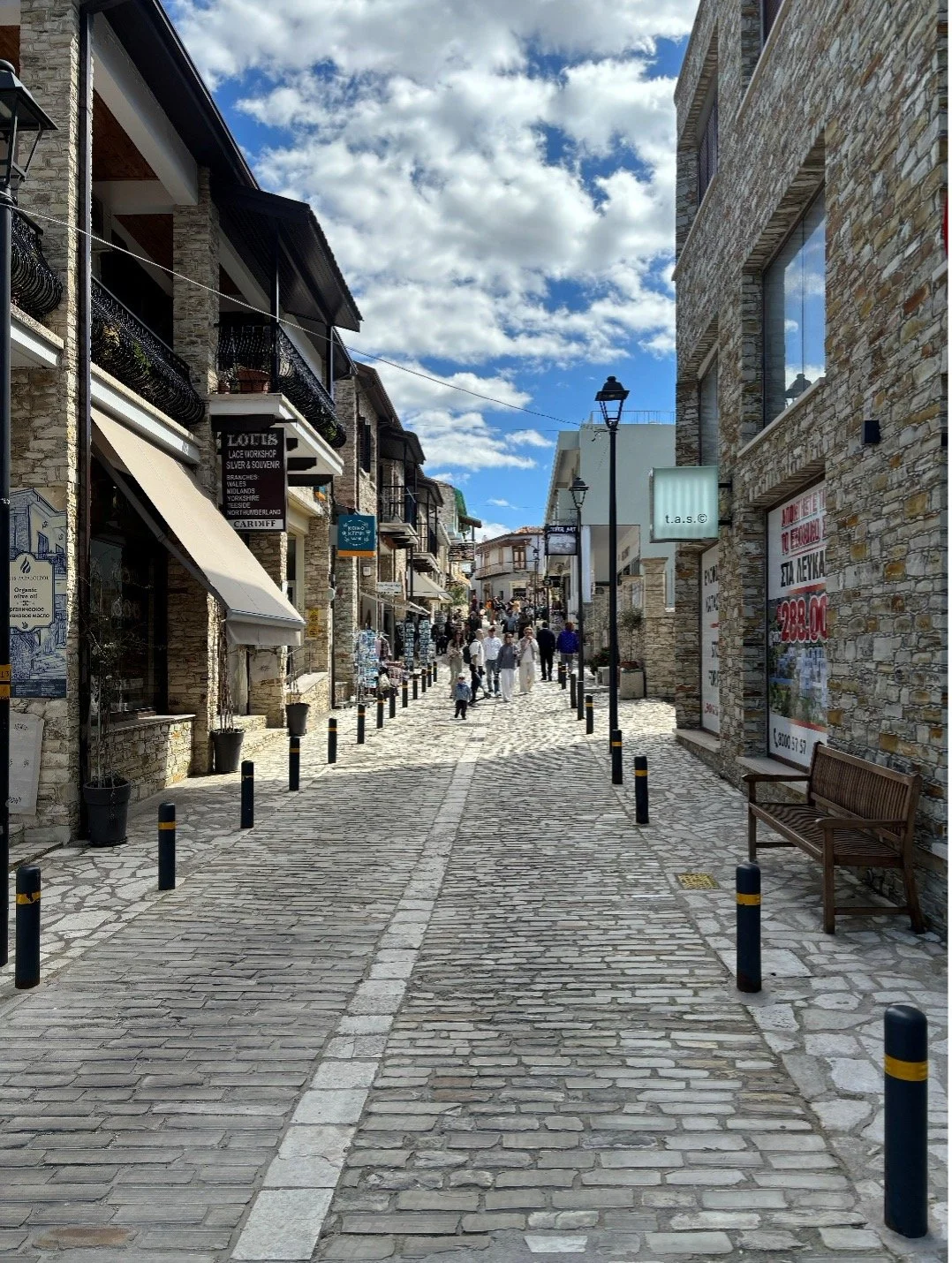
The main street in Lefkara
Conveniently located just 35–40 minutes from Larnaca and around 45–50 minutes from Nicosia, Lefkara makes an ideal day trip, an easy escape into a culturally rich traditional village.
It is one of the Cyprus' most celebrated cultural landmarks which you see as you wander its charming cobblestone streets, admire its beautifully restored stone houses and discover the artisan workshops.
Lefkara has preserved its authentic character. Every corner reveals a story, every narrow alley leads to hidden courtyards, and every local shop reflects generations of craftsmanship.
The friendly locals are proud to share their traditions, making every visit feel welcoming and personal.
Lefkara Lace: A UNESCO-Protected Tradition
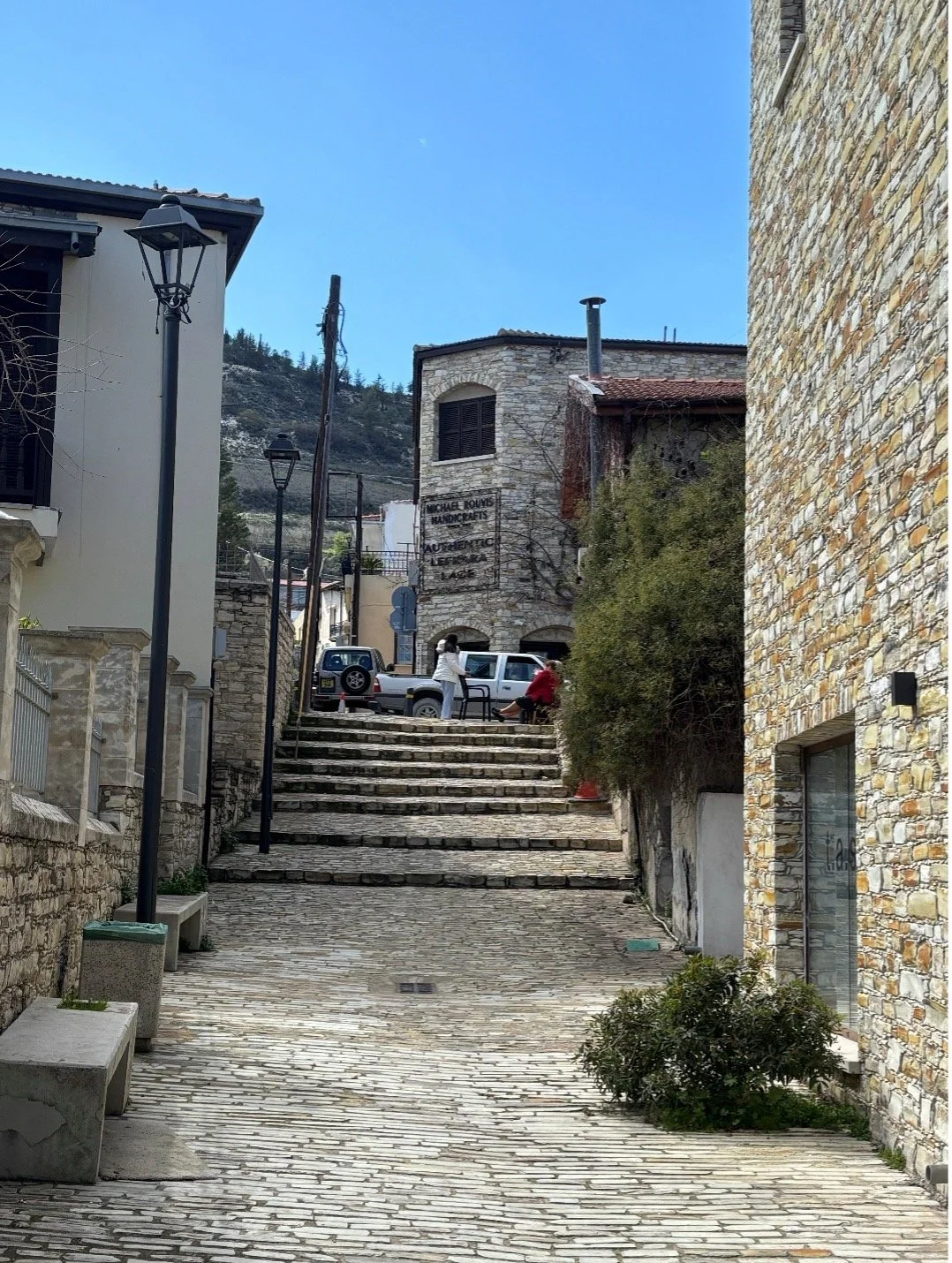
One of the lace making workshops in Lefkara.
No visit to Lefkara is complete without discovering the legendary Lefkaritika lace.
Handmade using techniques passed down through generations, Lefkara lace is one of Cyprus' most treasured traditional crafts. Each intricate design is created entirely by hand, requiring exceptional patience, precision, and artistic skill.
The beauty and cultural importance of Lefkaritika earned recognition by UNESCO in 2009 as part of the Intangible Cultural Heritage of Humanity, helping safeguard this remarkable tradition for future generations.
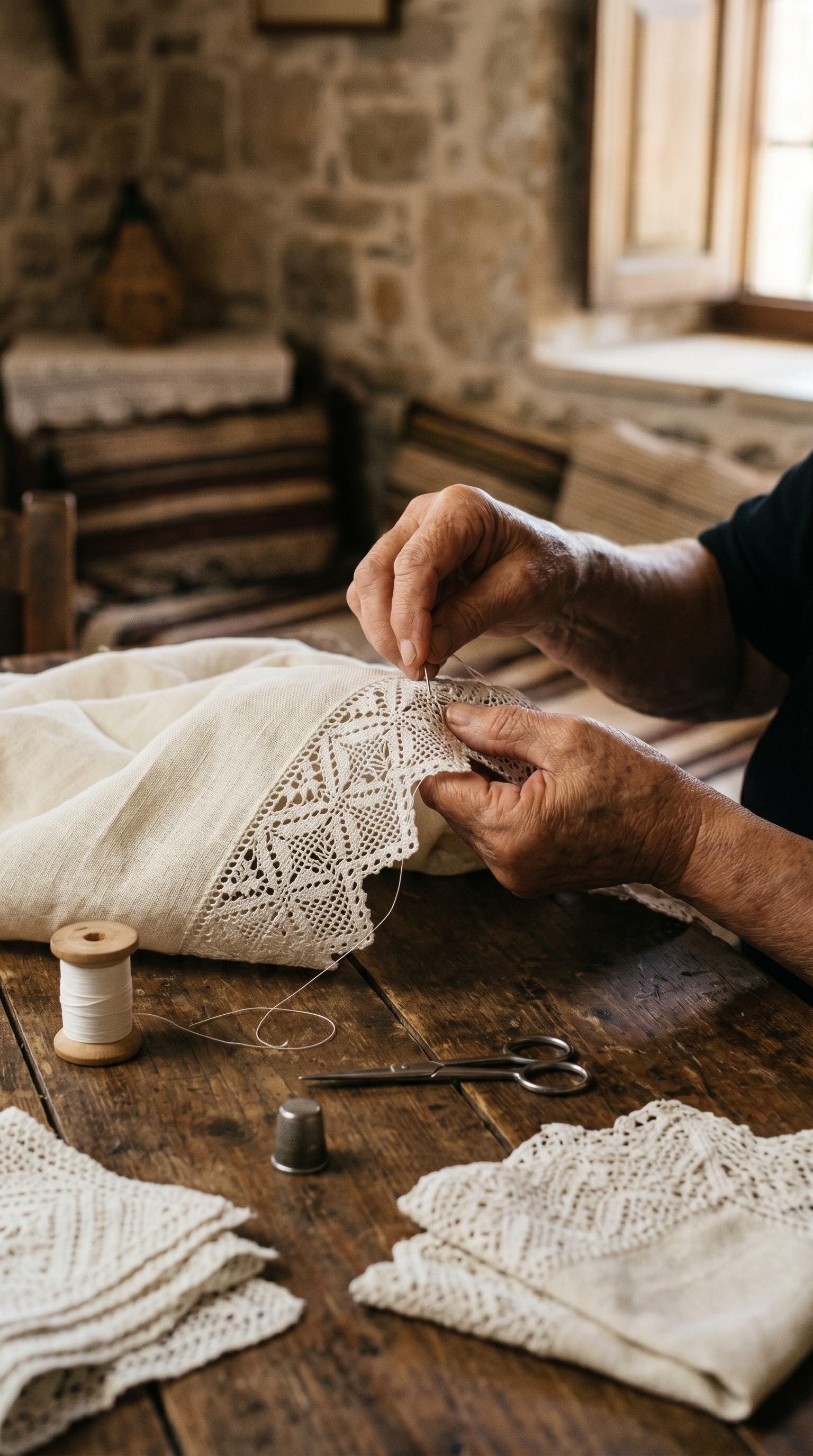
Handcrafted lace making
UNESCO described this lace making as a “testament to the ability to appreciate multiple influences and incorporate them into one’s own culture” saying that it is “at the center of daily life for women of Lefkara and a proud symbol of their identity”.
The United Nations Educational, Scientific and Cultural Organization also said that the tradition of lace-making in Lefkara “dates back to at least the fourteenth century”.
It writes: “influenced by indigenous craft, the embroidery of Venetian courtiers who ruled the country beginning in 1489, and ancient Greek and Byzantine geometric patterns, Lefkara lace is made by hand in designs combining four basic elements: the hemstitch, cut work, satin stitch fillings and needlepoint edgings”.
The Finest Silver Craftsmanship in Cyprus
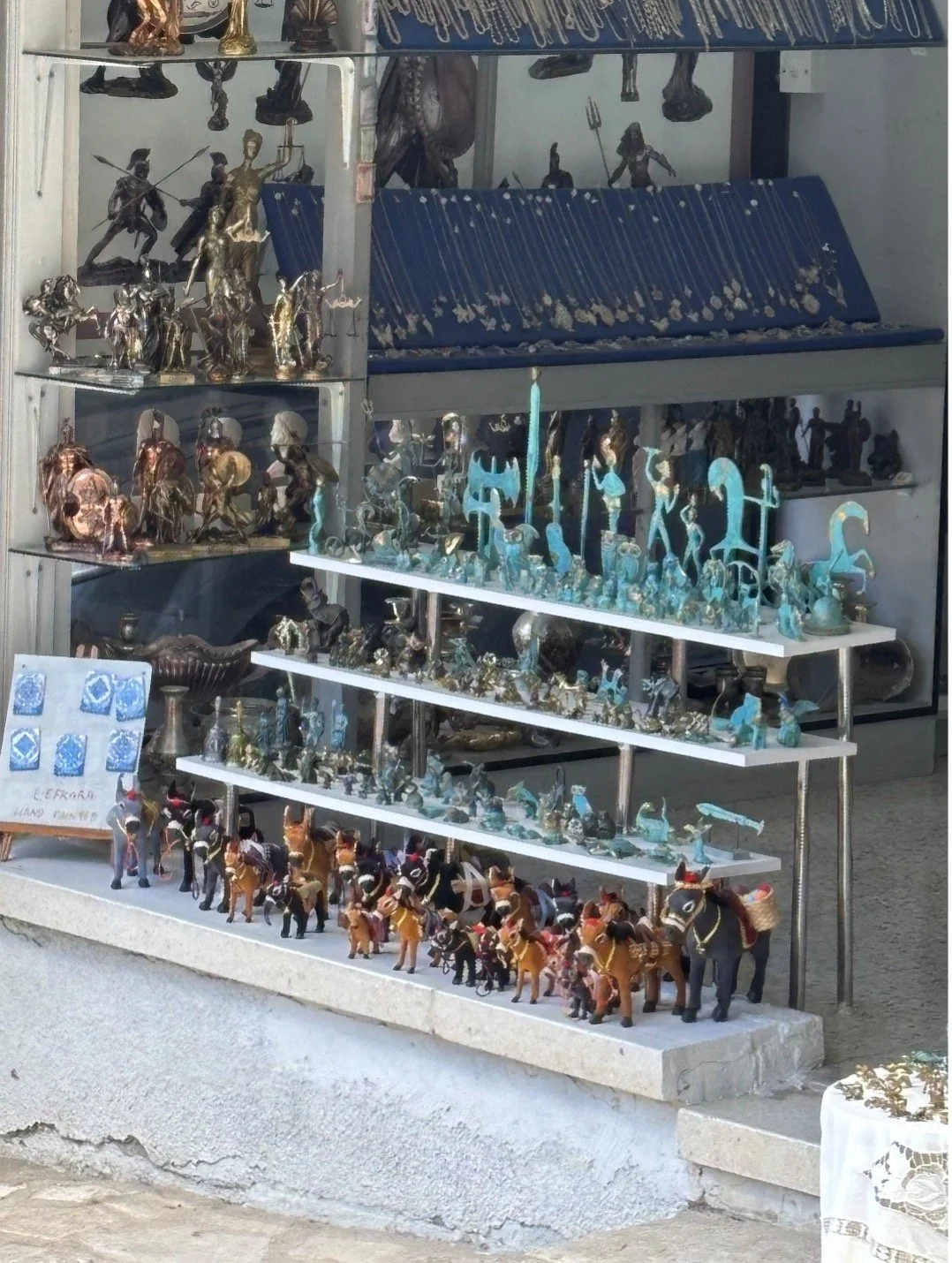
Souvenirs in a shop in Lefkara.
Alongside its famous embroidery, Lefkara is equally renowned for its exceptional silver craftsmanship.
Family-owned workshops throughout the village continue to produce handcrafted silver jewelry, decorative pieces, religious items, and unique souvenirs using traditional silversmithing techniques.
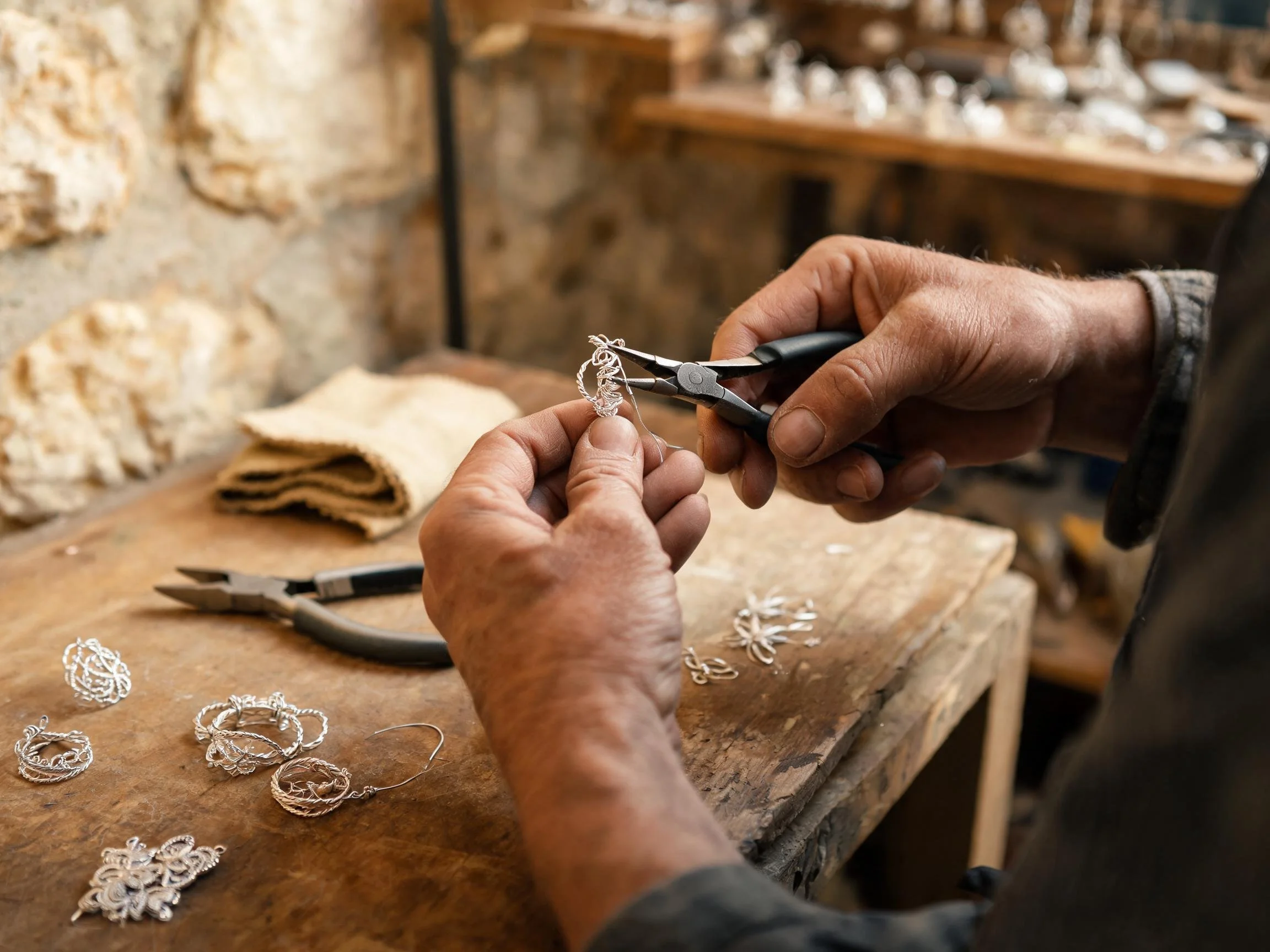
Traditional silversmithing in Lefkara
When I was there, I had the opportunity to meet local silversmiths, see first-hand the products and learn through the photos and souvenirs they have in their shops about their craft as well as the history of the village and how it transformed into a cultural landmark.
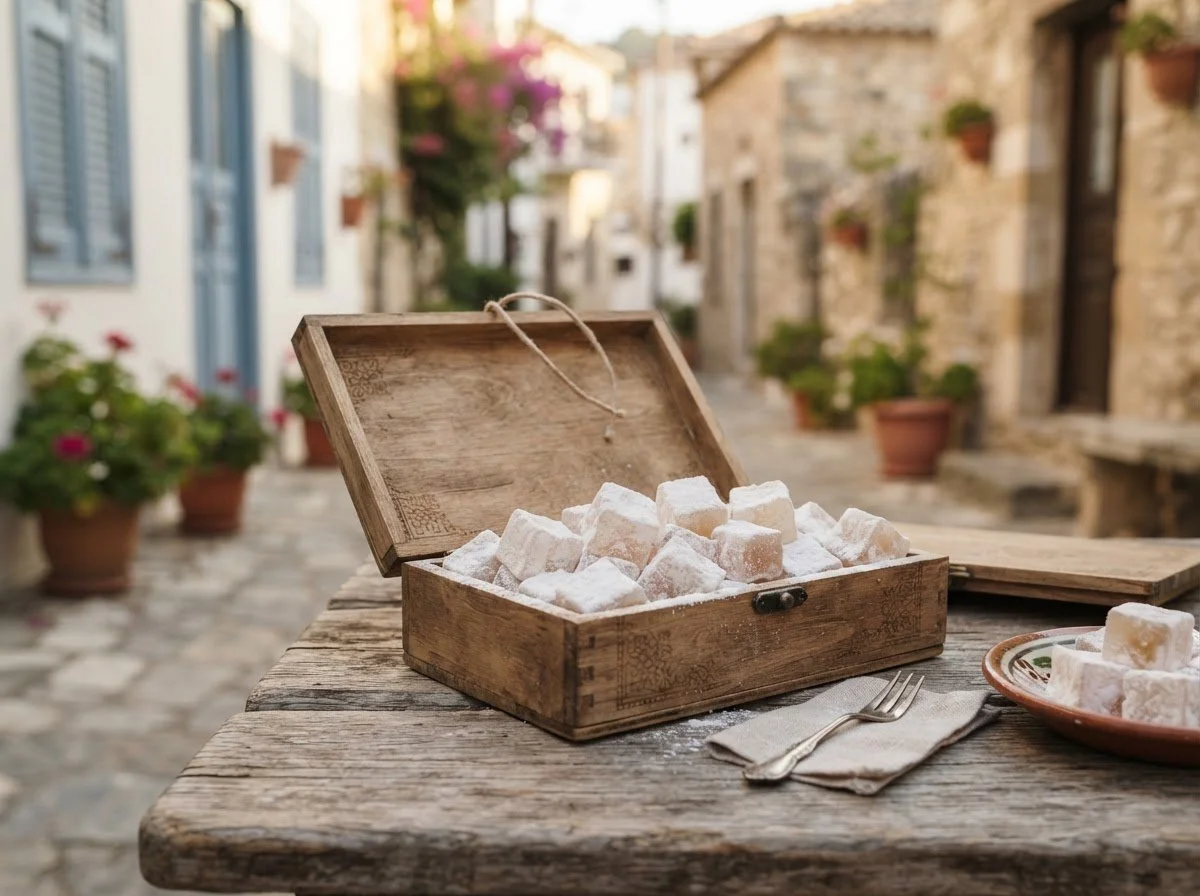
A box of loukoumi bergamot
Things to Do
When visiting Lefkara, be sure to:
Explore the picturesque stone streets and traditional architecture.
Visit local lace workshops and watch artisans create authentic Lefkaritika embroidery.
Discover handcrafted silver jewelry and unique artisan gifts.
Enjoy traditional Cypriot cuisine in family-run tavernas and cafés.
Visit the village museum to learn about Lefkara's fascinating history.
Capture stunning photographs of one of Cyprus' most beautiful villages.
Savor the famous Loukoumades (bite-sized dough balls fried and drizzled with syrup) at the village square
Come back home with a bergamot-flavored loukoumi which is one of the traditional specialties associated with Lefkara.
Final Word
Just a short drive from Cyprus’ wonderful beaches, a visit to this village is a genuine connection to culture and community, a perfect blend of history and authentic village life.
Et voilà! That was a glimpse into Cyprus' rich cultural heritage!
Five Facts About Byblos:
Lefkara is divided into Pano (Upper) Lefkara and Kato (Lower) Lefkara, each with its own distinct charm.
Many of the village's artisan workshops remain family businesses, where traditional skills are passed from one generation to the next.
According to local tradition, Leonardo da Vinci visited Lefkara in 1481 and purchased lace for the altar of the Milan Cathedral.
The village is home to the Museum of Traditional Embroidery and Silversmithing, where visitors can learn about its rich artistic heritage.
Perched on the southern lower slopes of the Troodos mountain range, Lefkara is situated, at an elevation of about 650 meters (2,130 feet).