Brussels: The Heart of Europe & Magnificent Grand-Place
Arriving in Brussels after dark, I wasn't prepared for the spectacle that awaited me.
Wandering through quiet streets illuminated by soft golden lights, I suddenly emerged in the Grand-Place, one of Europe's most magnificent squares. Surrounded by ornate guild houses, gilded façades, and the imposing Town Hall, the square designated a UNESCO World Heritage site needs no introduction.
While Brussels is the capital of Belgium, it is also widely known as the "Capital of Europe". Although the European Union has no official capital, Brussels became the de facto center of European decision-making by hosting key institutions such as the European Commission, the Council of the European Union, and much of the European Parliament's work.
Let’s explore together this magnificent city!
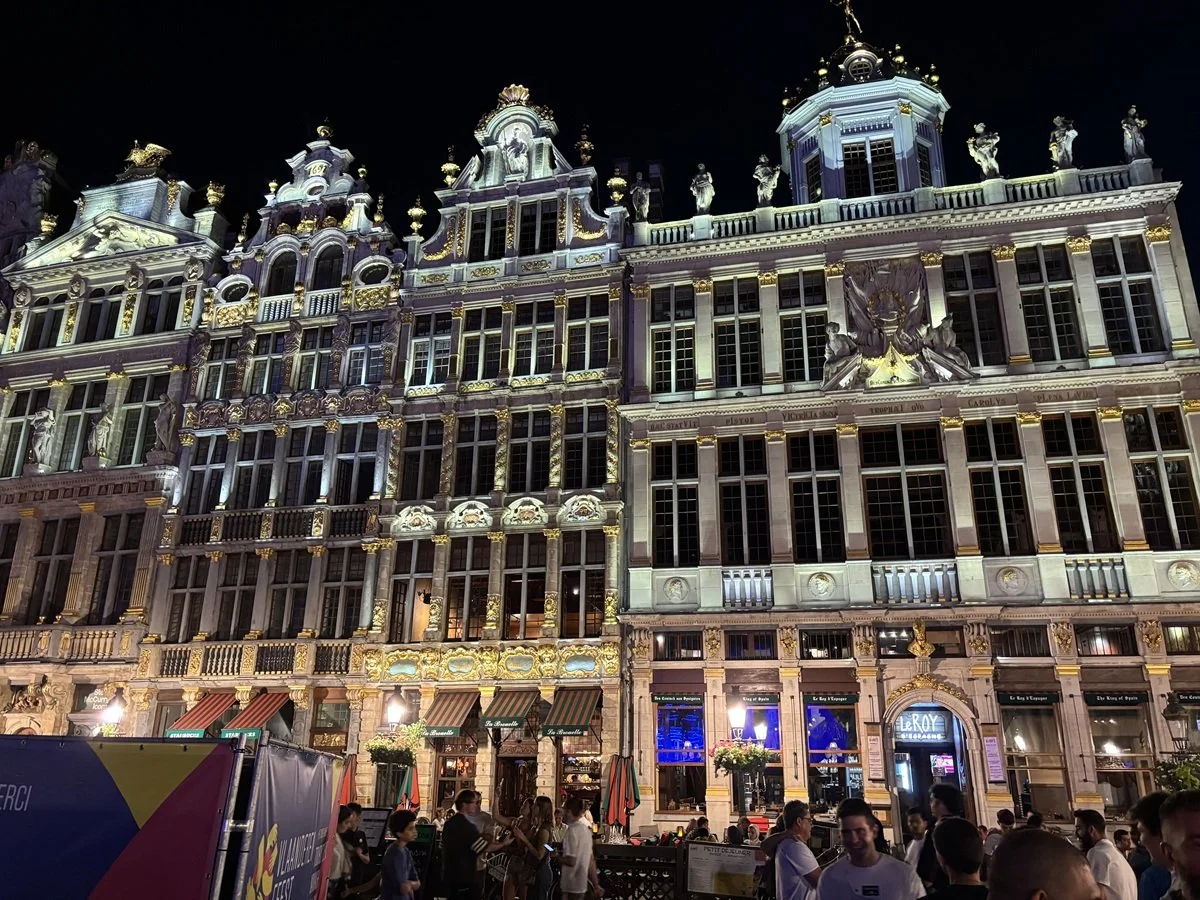
One of Europe’s most impressive squares: La Grand-Place, Brussels
The Square
The visit to Brussels starts as it always does at the Grand-Place. Victor Hugo called it the most beautiful square in the world for a reason.
There is a moment when you walk through one of the narrow medieval streets feeding into the square and Grand-Place opens in front of you like a held breath finally released.
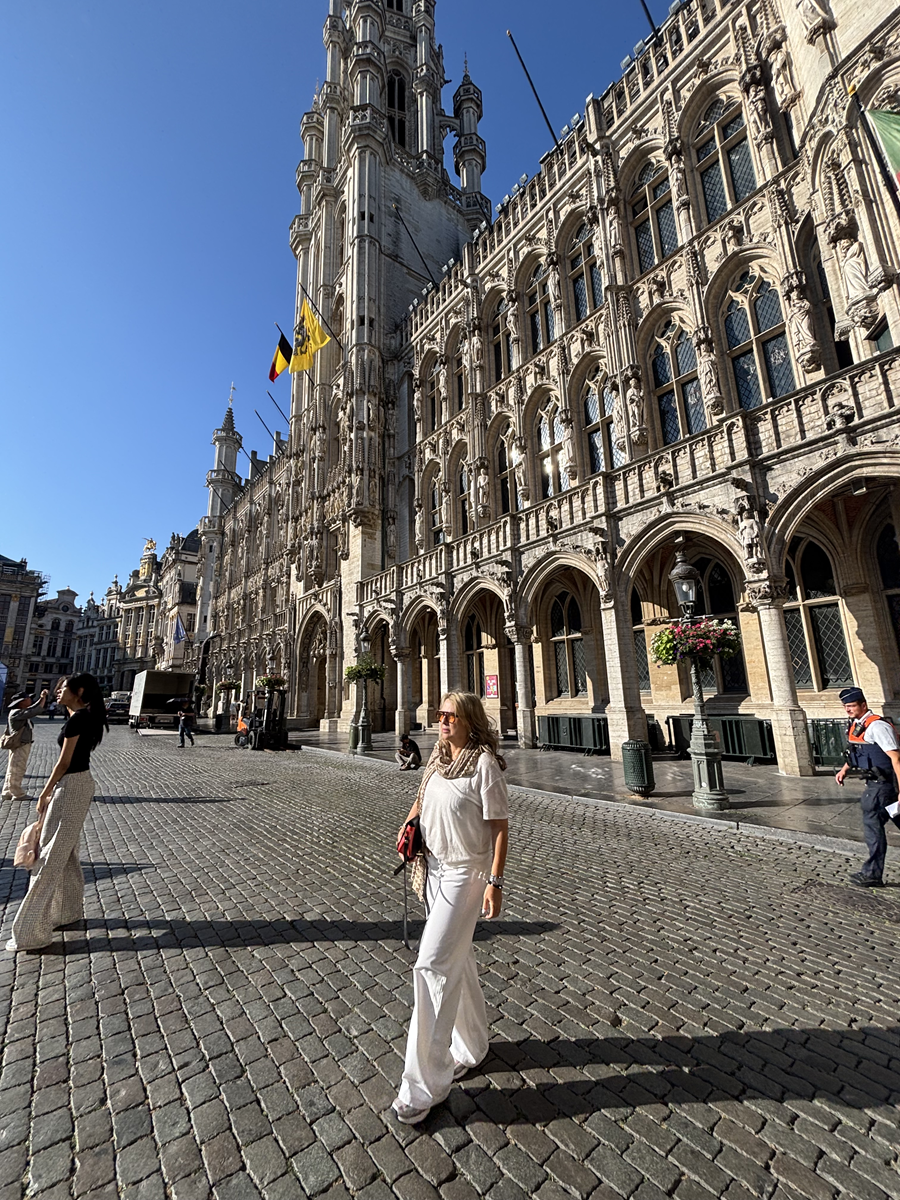
Today’s visitors to the Grand-Place are treading in the footsteps of history
Nothing prepares you for it. Not the photographs, not the guidebooks, not the person who told you it was beautiful.
The Gothic town hall on one side, the gilded guild houses lining the other and the cobblestones worn smoothly by centuries of feet that had no idea they were making history.
“An architectural jewel”, as UNESCO described it, this famous central square continues to fascinate visitors and even residents.
UNESCO World Heritage Site
Brussels’ famous Grand-Place was designated a UNESCO World Heritage site in 1998, and “is a remarkably homogeneous body of public and private buildings, dating mainly from the late 17th century”. The architecture provides a vivid illustration of the level of social and cultural life of the period, as UNESCO confirms.
The UN agency adds that the square “testifies in particular to the success of Brussels, mercantile city of northern Europe, that, at the height of its prosperity, rose from the terrible bombardment inflicted by the troops of Louis XIV in 1695” to stand as “an exceptional and highly successful example of an eclectic blending of architectural and artistic styles of Western culture”.
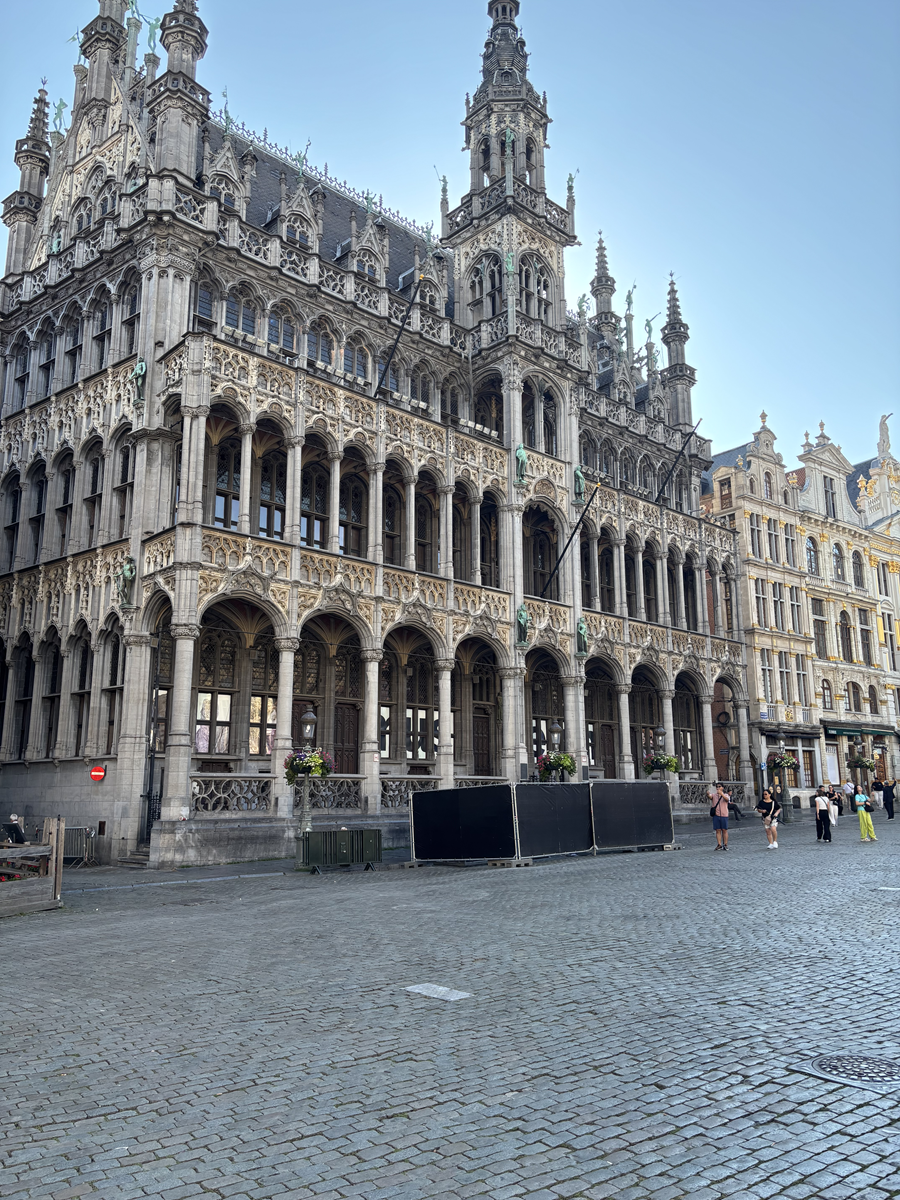
An undeniable dimension of Grand-Place: its imposing architecture
The Tastes of Brussels
Here is what nobody tells you about Brussels: the food is the point.
Without any of the fanfare of other cities, Belgium has quietly built one of the most serious food cultures in Europe. And nowhere is that more evident than in the streets radiating out from the Grand-Place.
Then came the chocolate.
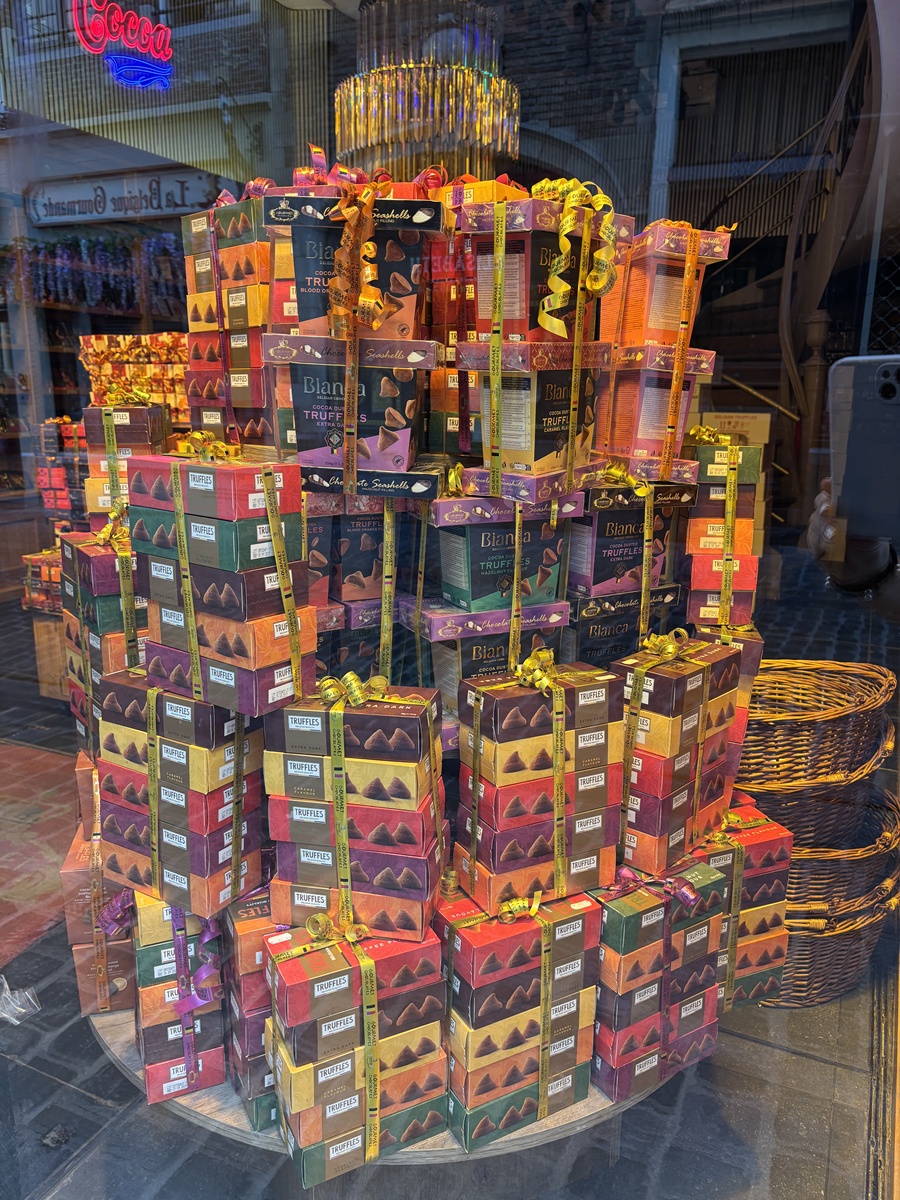
Belgian chocolate: chasing perfection in confection
Brussels invented the praline in 1912 and has been perfecting it ever since, and we will come back to Belgium's world-renowned chocolate industry in an upcoming blog.
Belgium's culinary identity is built, as well, on two other beloved traditions: frites (potato fries) and beer, both celebrated as symbols of national pride and everyday life.
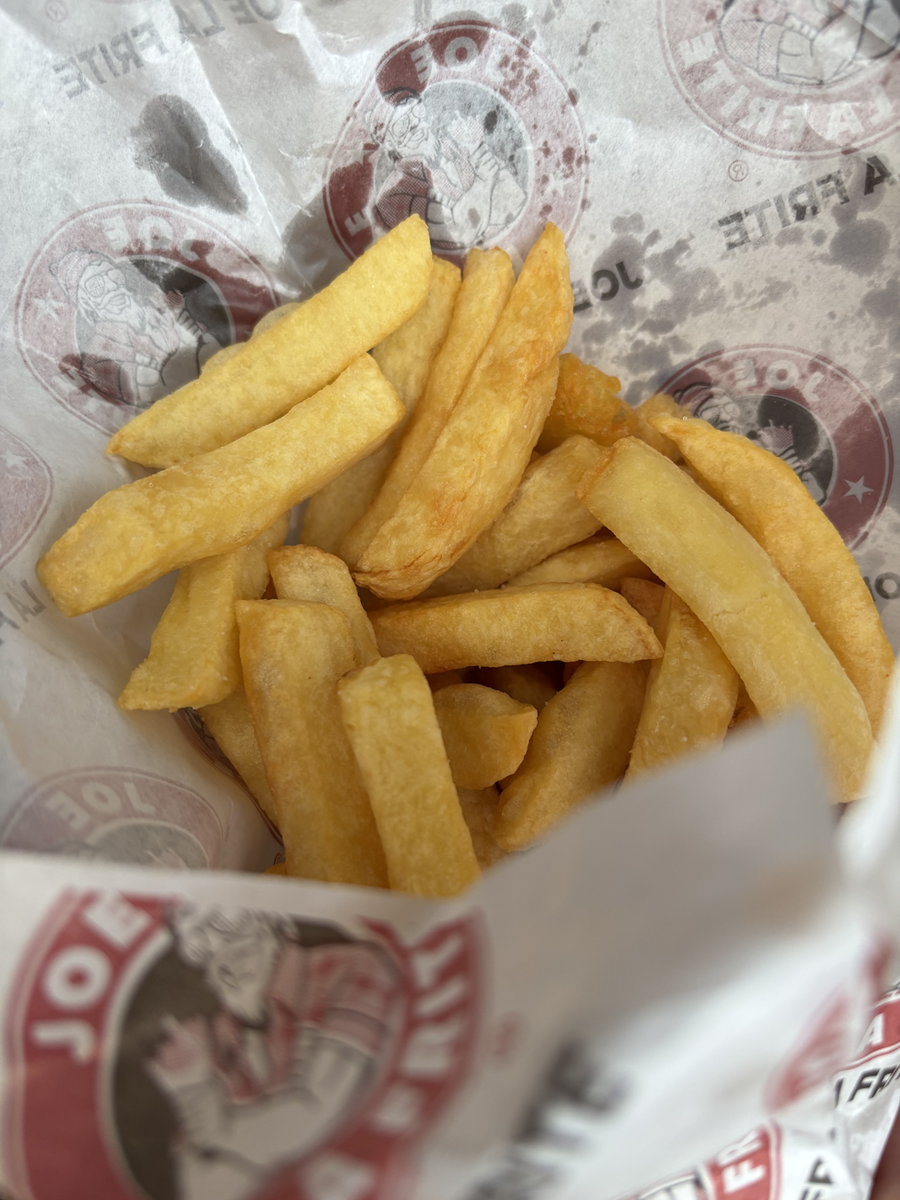
Belgium’s delectable frites are a go-to snack for both locals and visitors
The frites arrive in a paper cone accompanied by a variety of sauces, with mayonnaise being the classic favorite, and are found on almost every corner. Across Belgium, thousands of friteries and fritkots (traditional fry stands) serve this iconic dish, making it a staple enjoyed by locals and visitors alike.
Another star on the food scene in Belgium is the extraordinary beer culture, with a brewing tradition that dates back centuries.
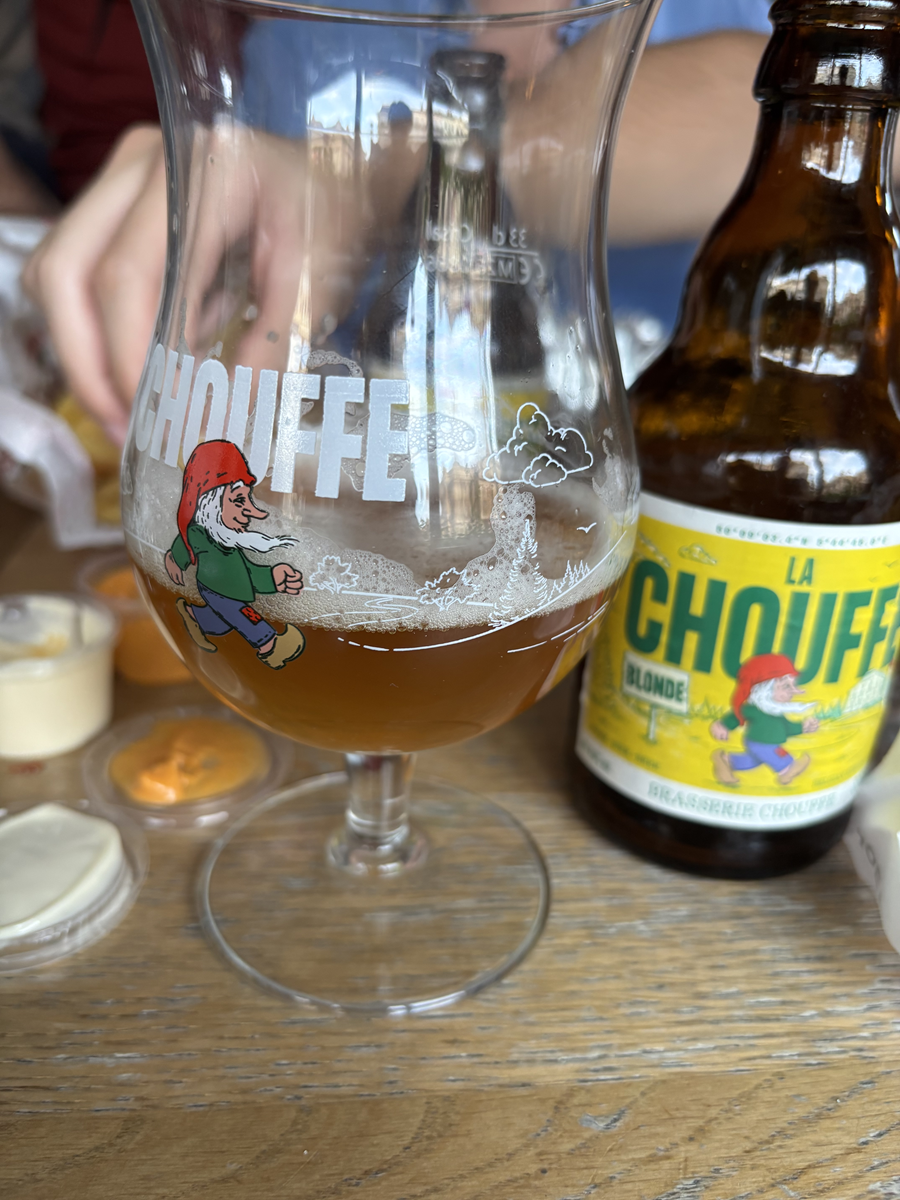
Belgian beer is another important staple of the country’s gastronomy
The country produces over 1,500 varieties of beer. Each style has its own distinctive flavor, brewing technique, and even its own specially-designed glass, reflecting the importance Belgians place on enhancing the tasting experience.
And of course, no visit to Brussels is complete without tasting an authentic Belgian waffle. Famous for its light, airy texture and crisp golden exterior, the Brussels waffle is a beloved culinary tradition.
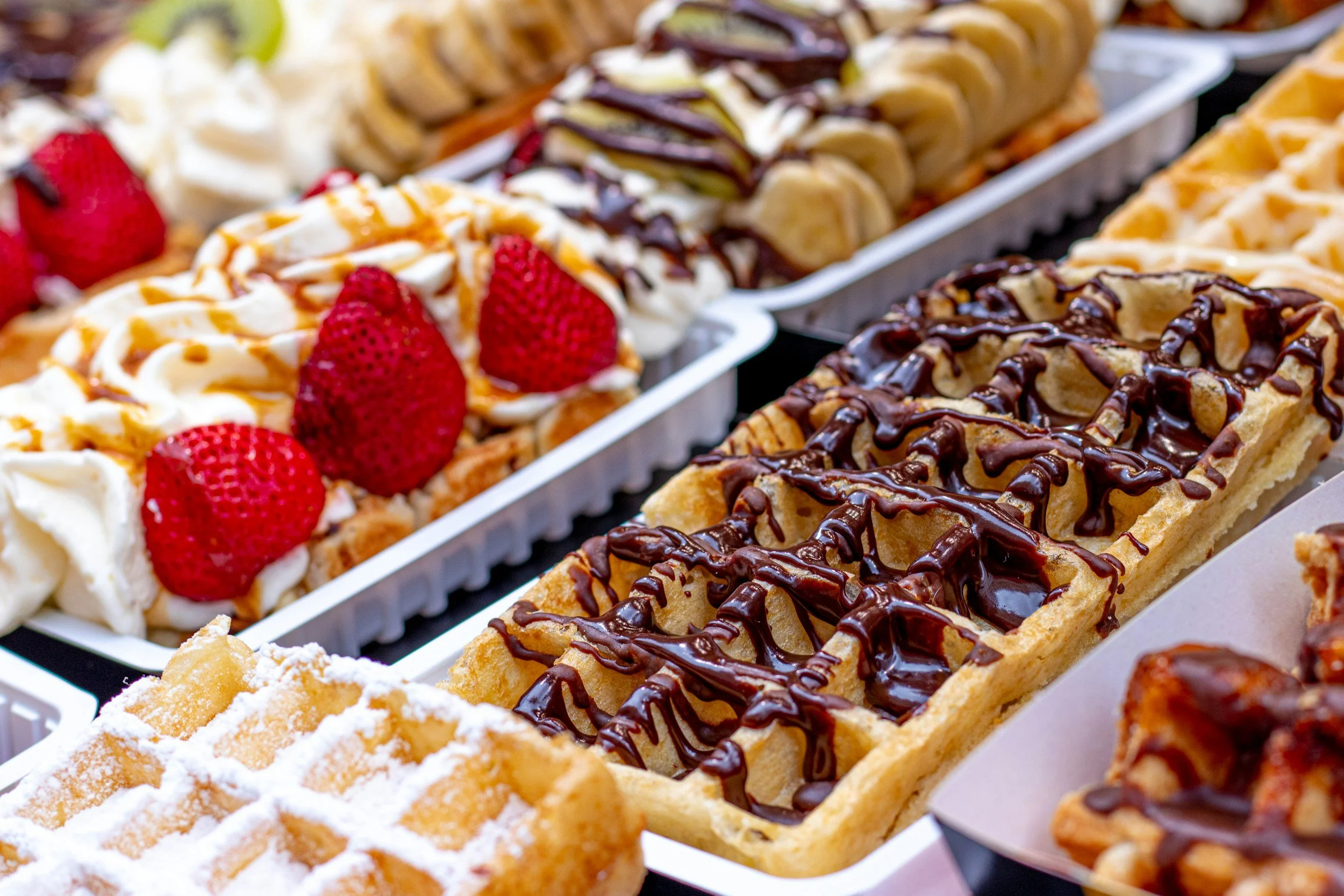
No trip to Belgium is complete without sampling their renowned waffle treats
Europe's Dual Capital
Brussels holds a unique position as both the capital of Belgium and the de facto capital of the European Union, where national heritage and European governance come together in one vibrant city.
It is a city of two identities forming the political heart of the European Union.
The European Quarter is where many of Europe's most important institutions are based. Centered around Schuman Roundabout and Luxembourg Square, the district is home to the European Commission, the Council of the European Union, and the European Parliament.
Modern glass-and-steel buildings stand alongside parks, cafés, and cultural spaces, creating a unique blend of governance and urban life.
Visitors can explore interactive museums, admire contemporary architecture, or join guided tours to gain insight into how European decisions are made.
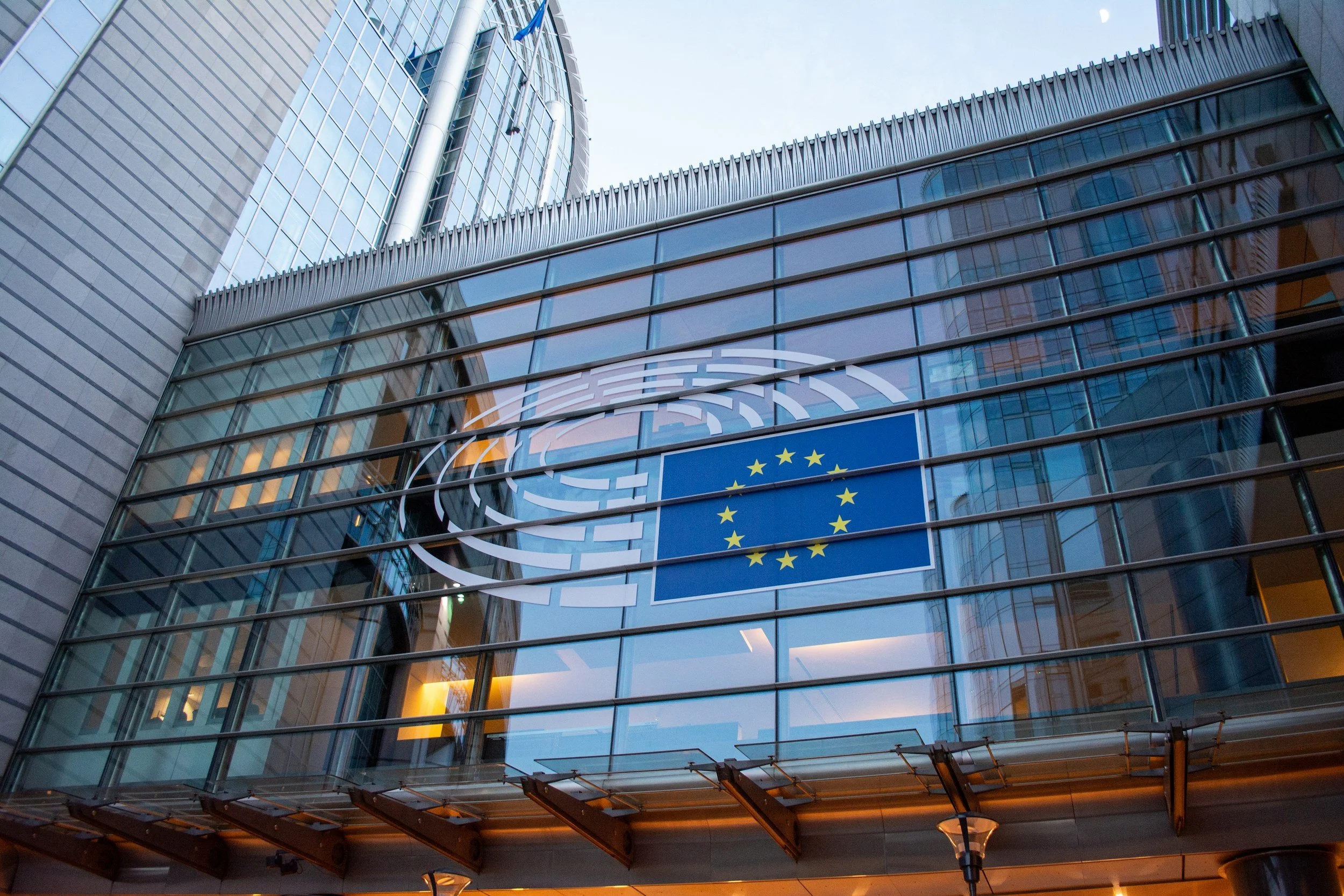
Brussels sits at the heart of European decision-making
Final word
So, what did The Mediterranean Edit find here?
Brussels is not a Mediterranean country, and yet, despite its northern European location, this capital shares several qualities with Mediterranean culture.
The city's lively café terraces, bustling outdoor markets, and appreciation for long, leisurely meals reflect a way of life centered on social connection and enjoying the moment.
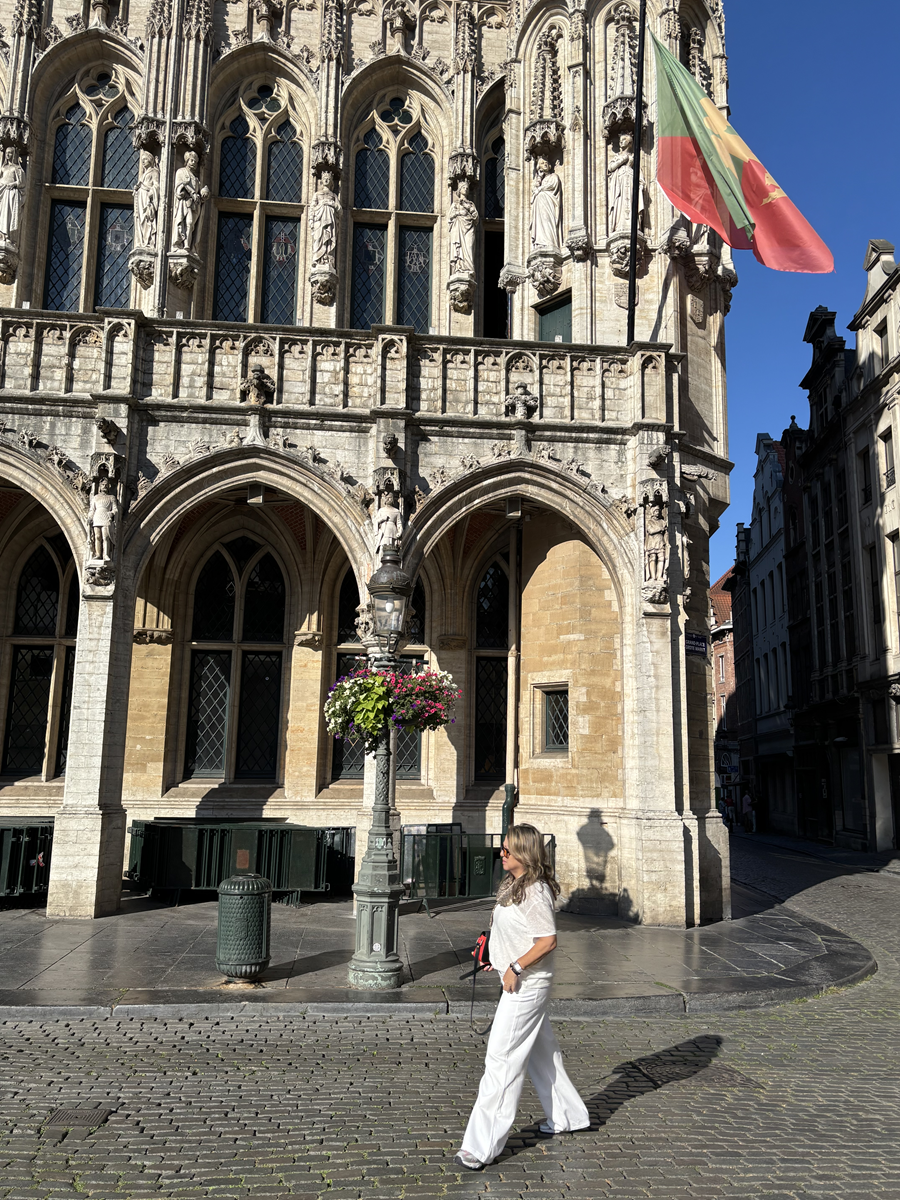
While not as warm, Northern Europe also offers experiences mirroring the conviviality of the Mediterranean…
Like many Mediterranean destinations, food is an integral part of daily life, with locals gathering over regional specialties, artisan products, and world-renowned beer. This blend of conviviality, hospitality and vibrant street life gives Brussels a warm and welcoming atmosphere.
Et voilà! Some places don’t need the sun to be warm! And our tour continues!
Five Facts About Brussels:
1- The Grand Place in Brussels is one of the most photographed landmarks in Belgium and the perfect starting point for discovering Brussels' historic center.
2- In 1695, much of the square was destroyed during the bombardment of Brussels, but it was rebuilt within just a few years, resulting in the magnificent architecture seen today.
3- Brussels is considered the comic book capital of Europe, with dozens of giant murals celebrating beloved comic characters and especially Tintin.
4- The city is a cultural hub with more than 80 museums, covering everything from fine arts and history to comics and musical instruments.
5- Brussels is officially bilingual, with French and Dutch as its official languages, while English is widely spoken.