Byzantine Chant: Living heritage of the Eastern Mediterranean
They are the sacred sound of Easter. There is a moment, when churches fall into a deep silence before a single voice begins to chant- usually in the early hours of Sunday- and then the others join to raise the voice echoing Χριστός ἀνέστη“Christos Anesti” (Christ is risen).
This moment carries centuries of devotion. It is joyful, triumphant, and deeply spiritual. A powerful culmination of forty days of Lent and the quiet anticipation of the Holy Week. Welcome to the world of Byzantine chant, a tradition where music is not performance, but prayer.
What Is Byzantine Chant?
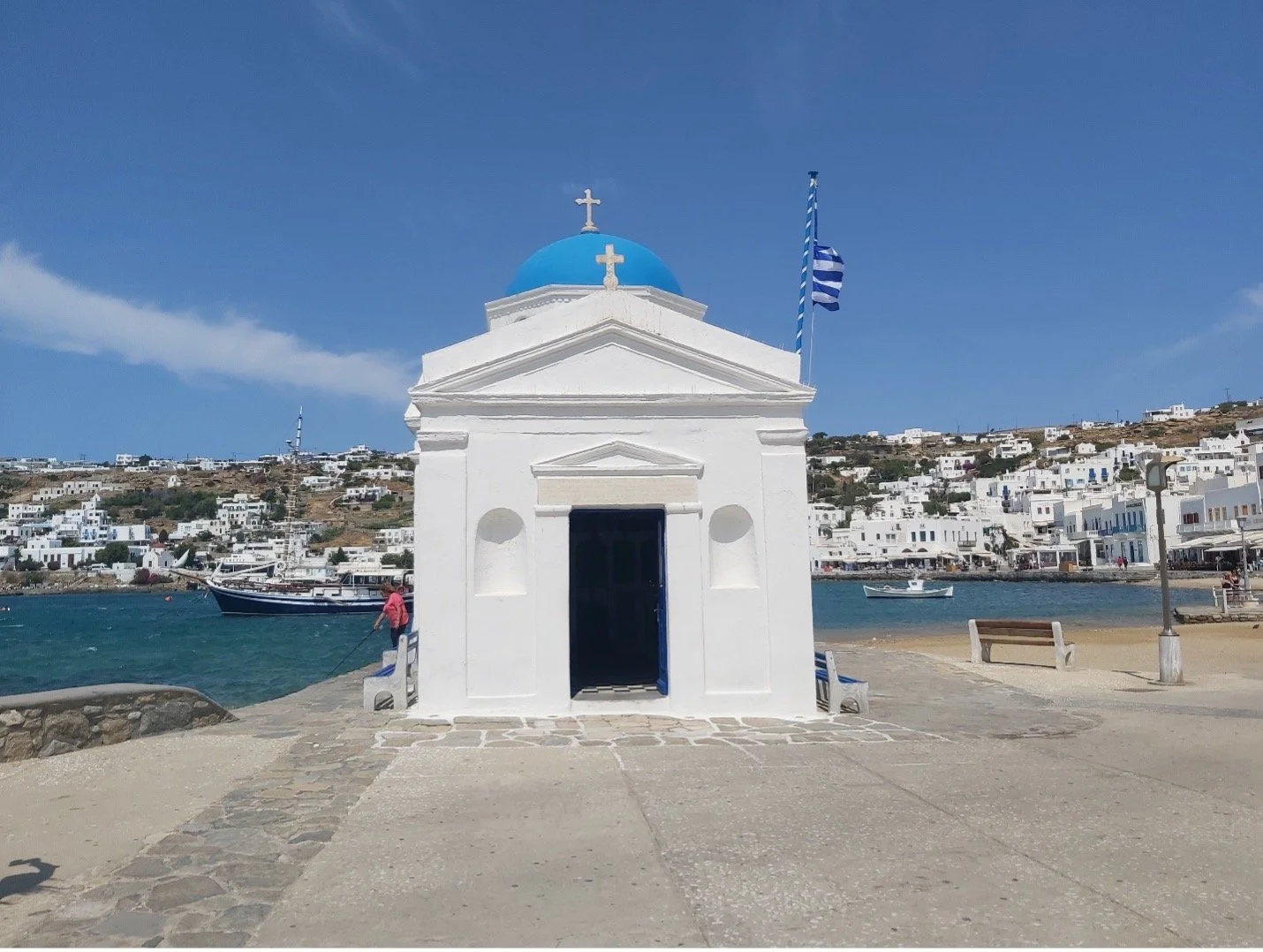
A small chapel in the center of Mykonos
Rooted in the Eastern Mediterranean, Byzantine chant transcends geography, existing as both a sacred tradition and a living cultural heritage.
It is the traditional liturgical music of the Eastern Orthodox Church, shaped within the spiritual and cultural sphere of the Byzantine Empire (4th-5th centuries) which was centered around Constantinople, right in the eastern Mediterranean.
Unlike Western choral traditions, it is typically monophonic, meaning a single melodic line sung in unison, without instrumental accompaniment.
Its purpose is to elevate the sacred text. Every note follows the rhythm of the words, allowing scripture and prayer to be felt as much as heard, and the result is deeply meditative and profoundly moving.
The Sound of Easter
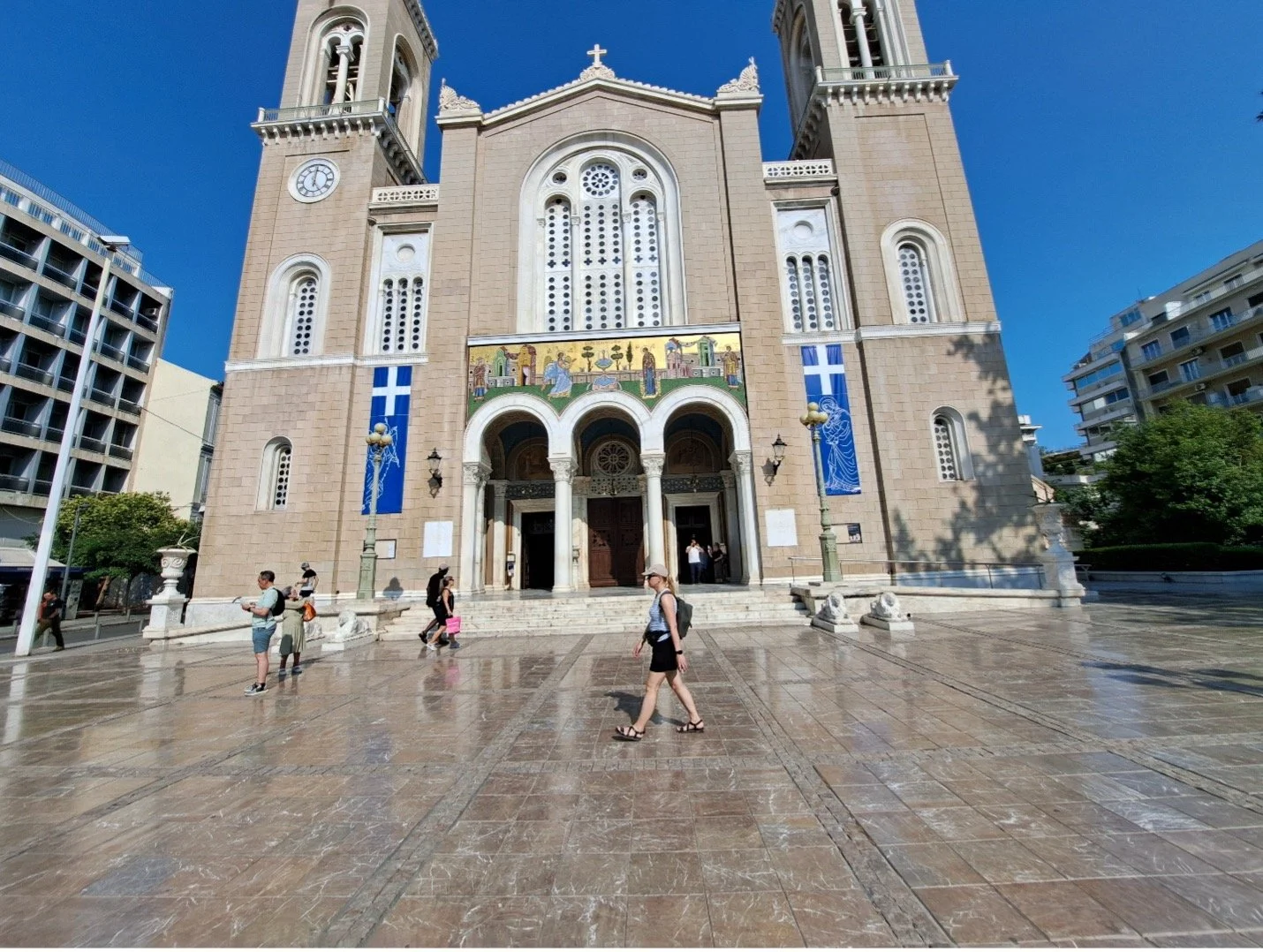
An Orthodox church in the heart of Athens
During Easter, Byzantine chant takes on its most powerful and emotional role. The entire Holy Week is structured around chanting, each day marked by distinct hymns that reflect sorrow, anticipation, and ultimately, joy.
Some key moments are: Good Friday (Epitaphios lamentations) when mournful chants accompany the symbolic funeral of Christ, expressing collective grief; Holy Saturday Night when the atmosphere shifts after midnight, and Easter Sunday when the chant “Christos Anesti” erupts in joyful celebration echoing resurrection and renewal.
These chants are experienced collectively, connecting entire communities through shared memory and faith.
Recognized by UNESCO
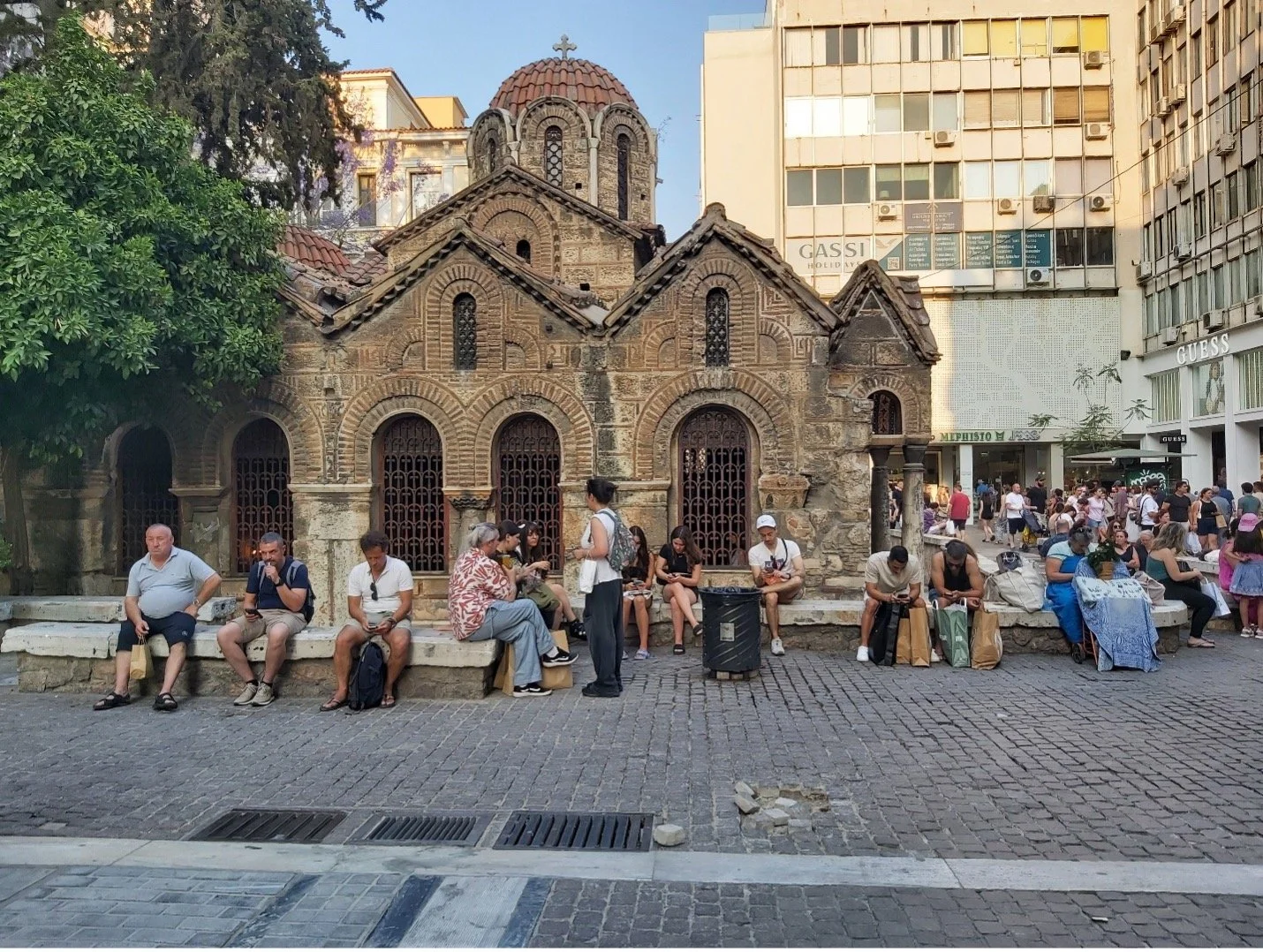
A historic Orthodox church in old town Athens
In 2019, Byzantine chant was officially inscribed by UNESCO as part of the Representative List of the Intangible Cultural Heritage of Humanity, highlighting its status as a living tradition that has spanning over a thousand years, practiced in churches and passed down through generations.
The UNESCO wrote on its website about the chants: “highlighting and musically enhancing the liturgical texts of the Greek Orthodox Church, it is inextricably linked with spiritual life and religious worship”, stressing the role they play in preserving the cultural identity.
This inscription on UNESCO’s list highlights also the artistic value of chants as its complex system of modes and notation reflects a sophisticated musical heritage and it helps ensure that this ancient art continues to thrive in the modern world.
Bridging Past and Present
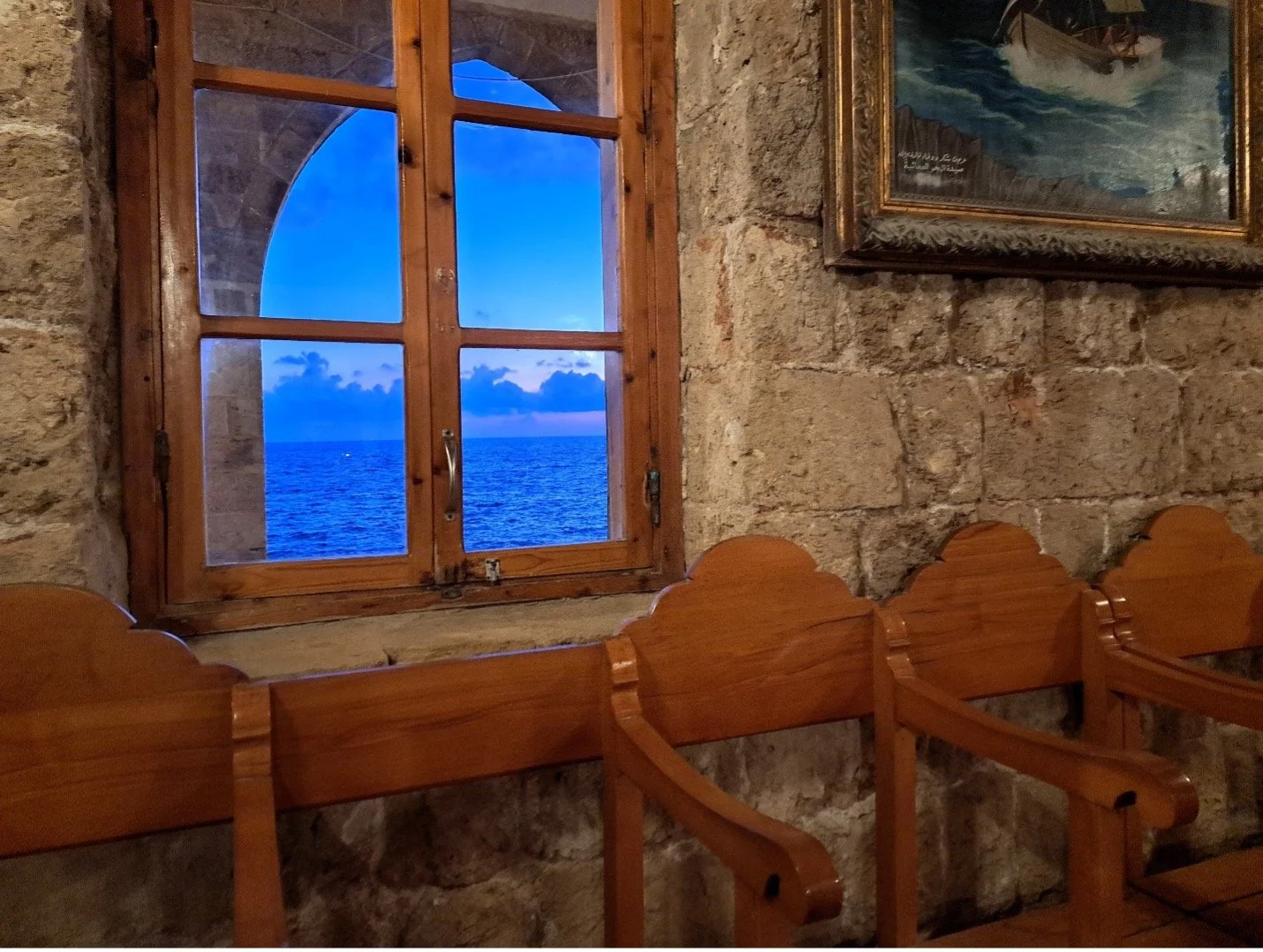
A historic Orthodox church in Batroun, northern Lebanon
Unlike monuments or artifacts, Byzantine chant is intangible: it exists in voices, memory, and practice. What makes it unique is its purpose as it is not designed for applause or entertainment, but it creates instead a space for reflection, transcendence, and connection.
During Easter, especially, it becomes a bridge: between past and present, between the individual and the community and between the earthly and the divine.
A Timeless Resonance
In an age of constant noise, Byzantine chant offers something rare: stillness with meaning. Its slow, deliberate melodies remind us that beauty does not need to be loud to be powerful.
As voices rise together on Easter night, they carry more than melody, they carry history, faith, and identity. And in that moment, the ancient world feels very much alive.
Et voilà! Those chants lead us to the most important celebration of the Christian calendar, Easter!
Five facts about the Byzantine Chants:
Byzantine Chants developed in the Byzantine Empire and has been practiced for centuries in countries like Greece, Cyprus, Lebanon and Syria.
They are one melody with big impact, usually monophonic, creating a haunting, meditative sound.
Composed of sacred words, sung in Greek, Church Slavonic (historic liturgical language), or Arabic, mostly praising Christ, Mary, or the saints.
Sung by soloists or a choir, often without instrumental accompaniment, and designed to facilitate prayer, contemplation, and worship.
Some contemporary artists blend Byzantine chant with electronic, ambient, or orchestral music, making it more accessible for modern audiences.