Easter traditions across the Mediterranean
Easter is the most important celebration in Christianity and while it takes two different forms in the Mediterranean according to tradition, whether Eastern Orthodox or Catholic, its spiritual meaning is the same as it marks the resurrection of Jesus Christ, renewal, hope, and new life.
In the Mediterranean especially, whether Easter is celebrated through midnight candlelight or sunrise mass, the message is identical: light overcomes darkness, and life triumphs over death.
Why is the religious Calendar different?
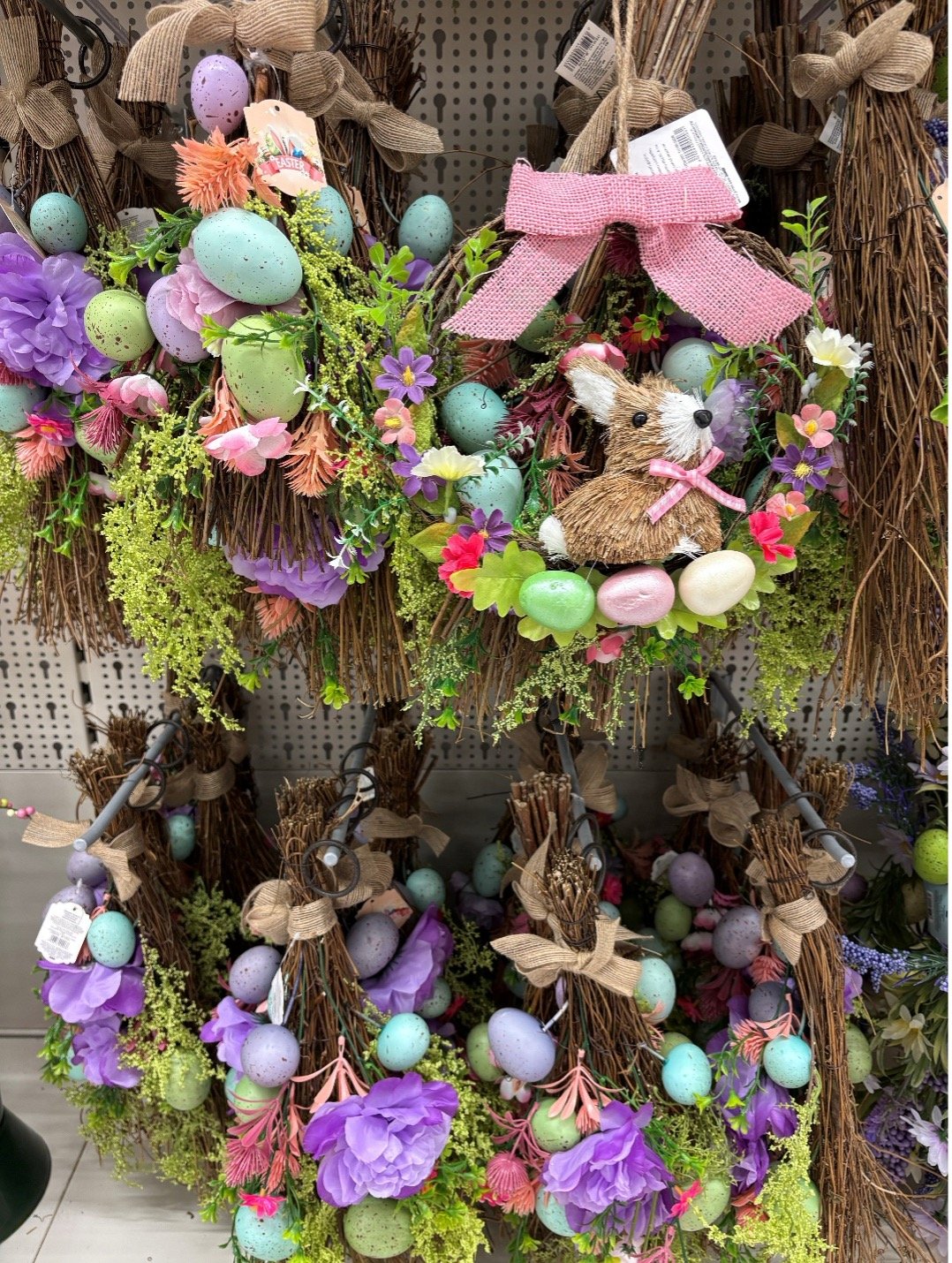
Easter decorations at Jumbo store in Nicosia.
Orthodox Easter, Pascha in Greek, is calculated using the Julian calendar, not the Gregorian calendar used in the West. That’s why it often falls later than Catholic and Protestant Easter.
The Gregorian calendar (introduced in 1582) corrected small timing errors in the Julian calendar and over centuries, those small differences added up and consequently Easter might be 1 to 5 weeks apart between the two churches.
Easter 2026 falls on April 12th for the Orthodox Church and was celebrated on April 5th for the Catholic world. While customs, calendars, and cultural expressions may differ across regions, the spiritual meaning unites Christians around the world.
Nowhere is this more vividly expressed than in the Mediterranean, where centuries-old rituals, community life, and local culture blend into a meaningful celebration.
While Greece and Cyprus hold a central cultural and spiritual role in Pascha, celebrations in countries like Italy and Spain, follow the Western calendar and create a gap of weeks sometimes between these neighboring Mediterranean nations.
The central moment of celebration
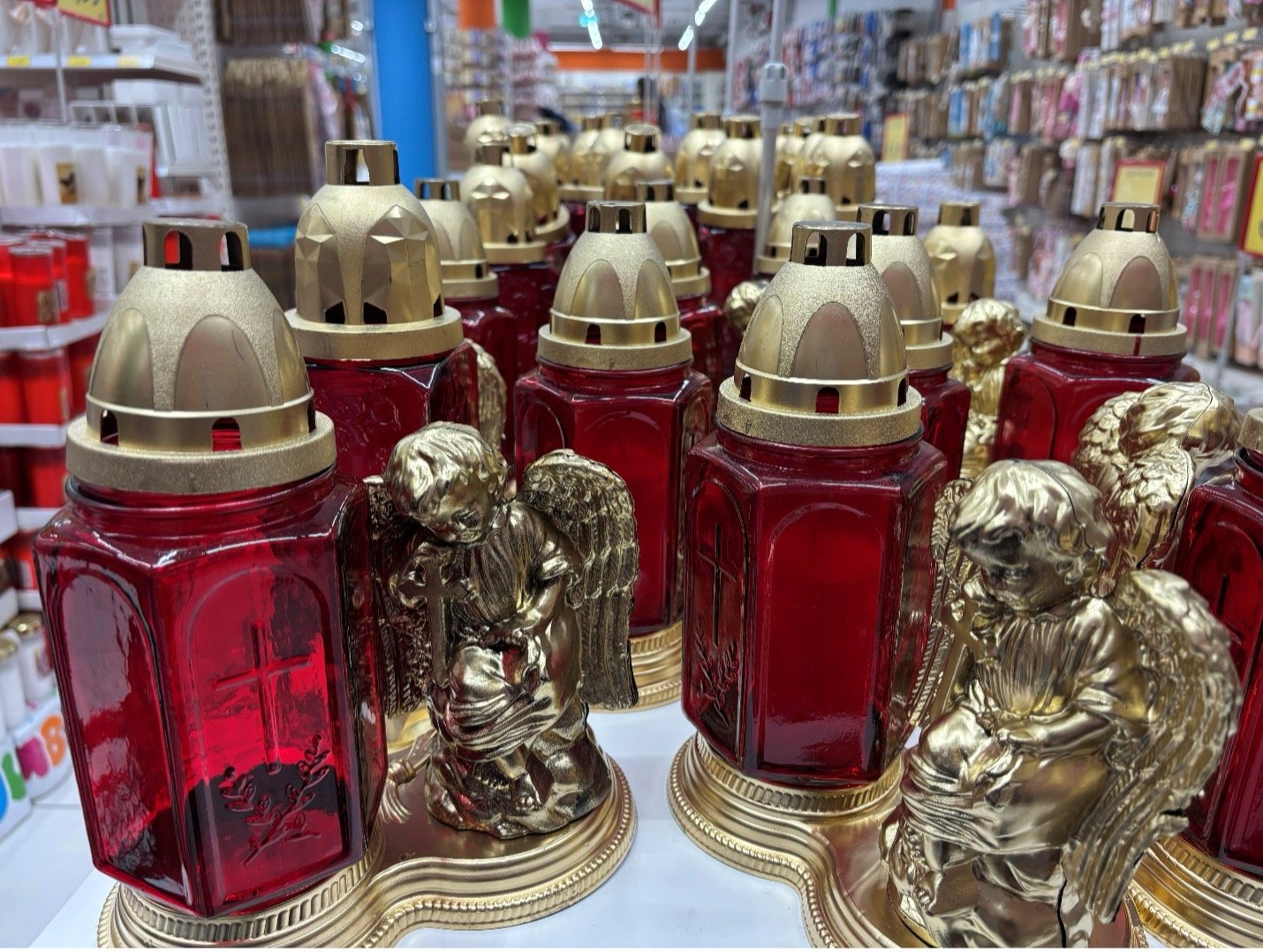
Candles in preparation for Easter celebrations
In Orthodox tradition, the emotional peak happens at midnight on Holy Saturday when churches go dark, and light is gradually shared among worshippers before the proclamation “Christ is Risen.”
In Catholic Mediterranean countries, the Easter Vigil also exists on Saturday night but Easter Sunday morning Mass is often the main gathering point for the wider population.
While Orthodox Mediterranean traditions emphasize light and darkness symbolism, candlelight participation and chanting, Catholic traditions highlight processions, often involving statues depicting scenes from Christ’s Passion and formal liturgical structure
Both are deeply symbolic, but expressed in different ways: one more immersive and participatory, the other more narrative.
Shared identity
Celebrations in the Eastern Mediterranean often take light as a symbol, and the transition from darkness to light is central everywhere.
Also, Easter is celebrated collectively where families get together and feast after weeks of Lent. Food on Easter day symbolizes abundance and joy.
This represents continuity with the past as traditions are passed on through generations.
In the Eastern Mediterranean regions of Lebanon and Syria, Orthodox Easter carries a deep historical tone as these communities are among the oldest Christian populations in the world, and their traditions reflect a strong bond with early Christianity.
The Holy Fire ceremony, held at the Church of the Holy Sepulchre in Jerusalem, is central to Orthodox Easter and draws pilgrims from across the Orthodox world. The flame lit there is transported to various countries, symbolizing unity among believers.
Feasting and Festivity
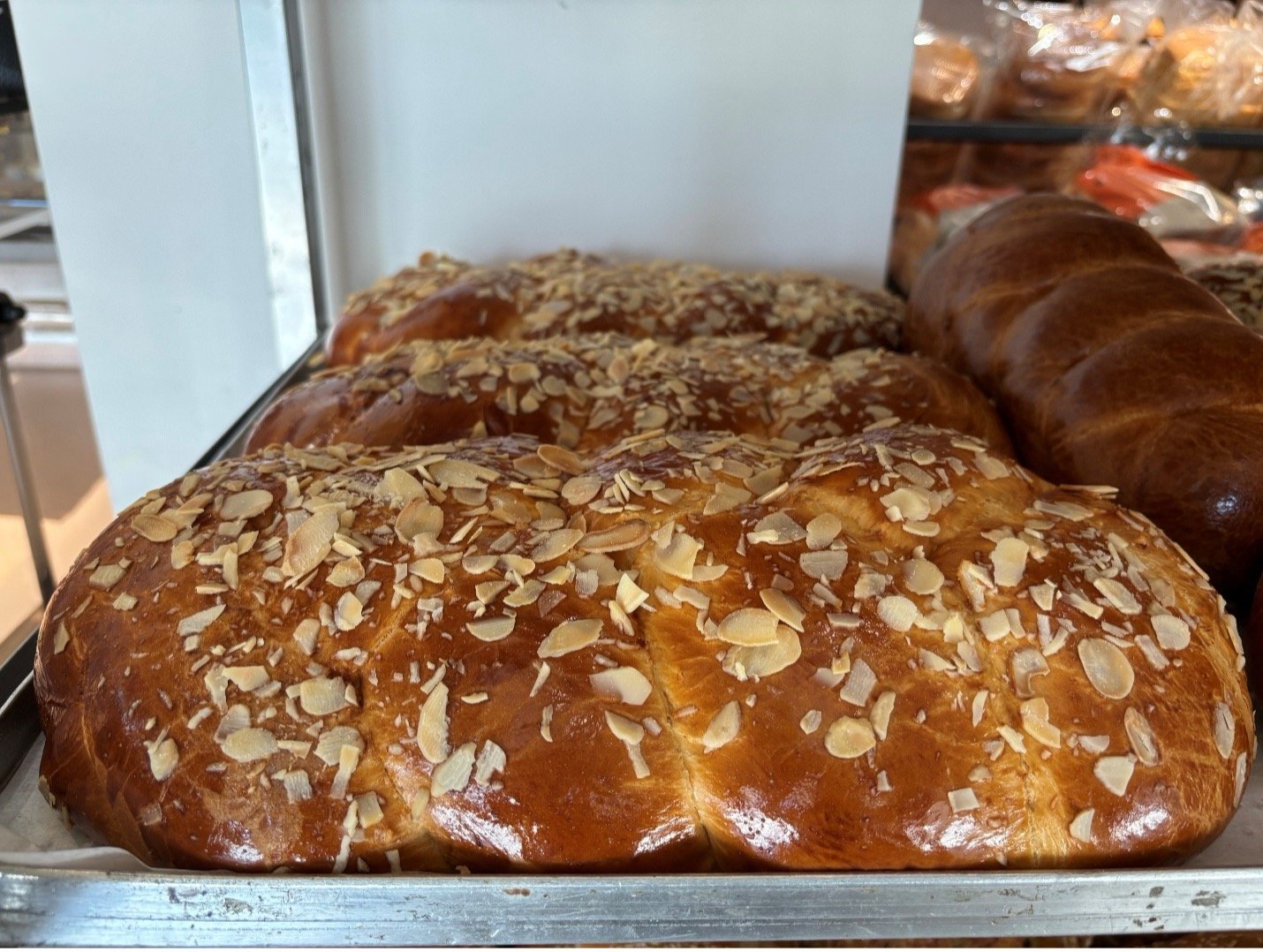
Tsoureki, the traditional sweet bread made on Easter.
After forty days of fasting, families gather for a traditional feast, usually after attending the church service.
In Cyprus, Easter lunch is centered around Souvla, large cuts of meat slow-cooked over charcoal, and no Easter table is complete without Flaounes, the savory pastries made with cheese, eggs, mint and raisins, as well as the sweet braided bread “Tsoureki” and local wine.
In Greece, food plays an essential role as well. After the midnight service, people traditionally eat Magiritsa soup, made of lamb offal, to gently break the fast before indulging in larger feasts the following day, including roasted lamb and Tsoureki.
In Lebanon, people break the fast with Maamoul, the traditional sweet made of semolina with date or nut filling, crack the dyed eggs and have family-centered meals.
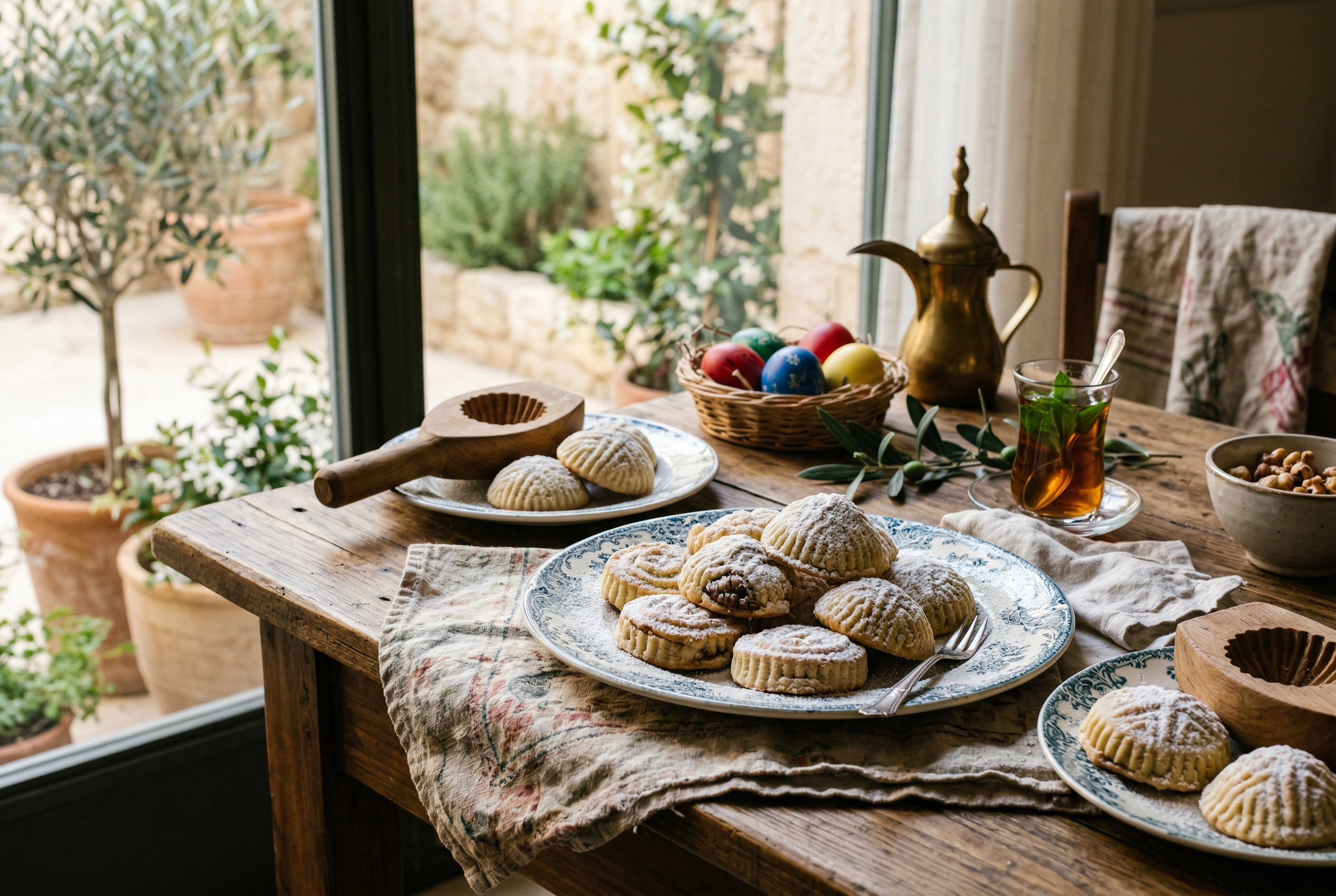
Lebanese traditional Easter sweets
Communal spirit
Whether experienced in a small mountain village or a bustling city, Easter in the Mediterranean offers a moment where faith, culture, and community come together in a powerful and unforgettable way.
Entire villages or neighborhoods gather at the same church and celebrations often continue in shared outdoor spaces.
This shows that Easter in the Mediterranean is more than a religious observance, it is a living expression of shared identity, where faith, family, and centuries-old traditions come together to renew both community and spirit.
Et voilà! Happy Easter everyone!
Five facts about Easter in the world:
In Cyprus, red-dyed eggs, symbolize new life and resurrection and cracking them in a friendly game is a custom in every house.
On some Greek islands like Corfu, clay pots are thrown from balconies to mark renewal and new beginnings.
In Russia and parts of Eastern Europe, people bring baskets with bread, eggs, cheese, and meat so that priests bless the food.
Greeting extends many days after Easter Sunday, replying to “Christos Anesti!” (Christ is risen!) by “Alithos Anesti” (Truly, he is risen) is not just politeness but a statement of faith.
Bonfires around Easter are a widespread tradition in several countries specifically in Cyprus and Greece where it is called “Lambradjia” and usually lit on Holy Saturday night outside churches symbolizing the triumph of light over darkness.