The Blue Flag and Cyprus’ Love for the Sea
When you see a Blue Flag flying above a beach in Cyprus, you realize that it represents much more than clean sand and inviting swimming water. It is an international symbol of coastal excellence.
In Cyprus, the sea is where summer begins, families gather, mornings start with a swim and evenings end with a walk along the shore. It is part of the island's rhythm, its culture and its identity.
For generations, the Mediterranean has shaped the way people live, work, relax and welcome visitors.
What is a blue flag?
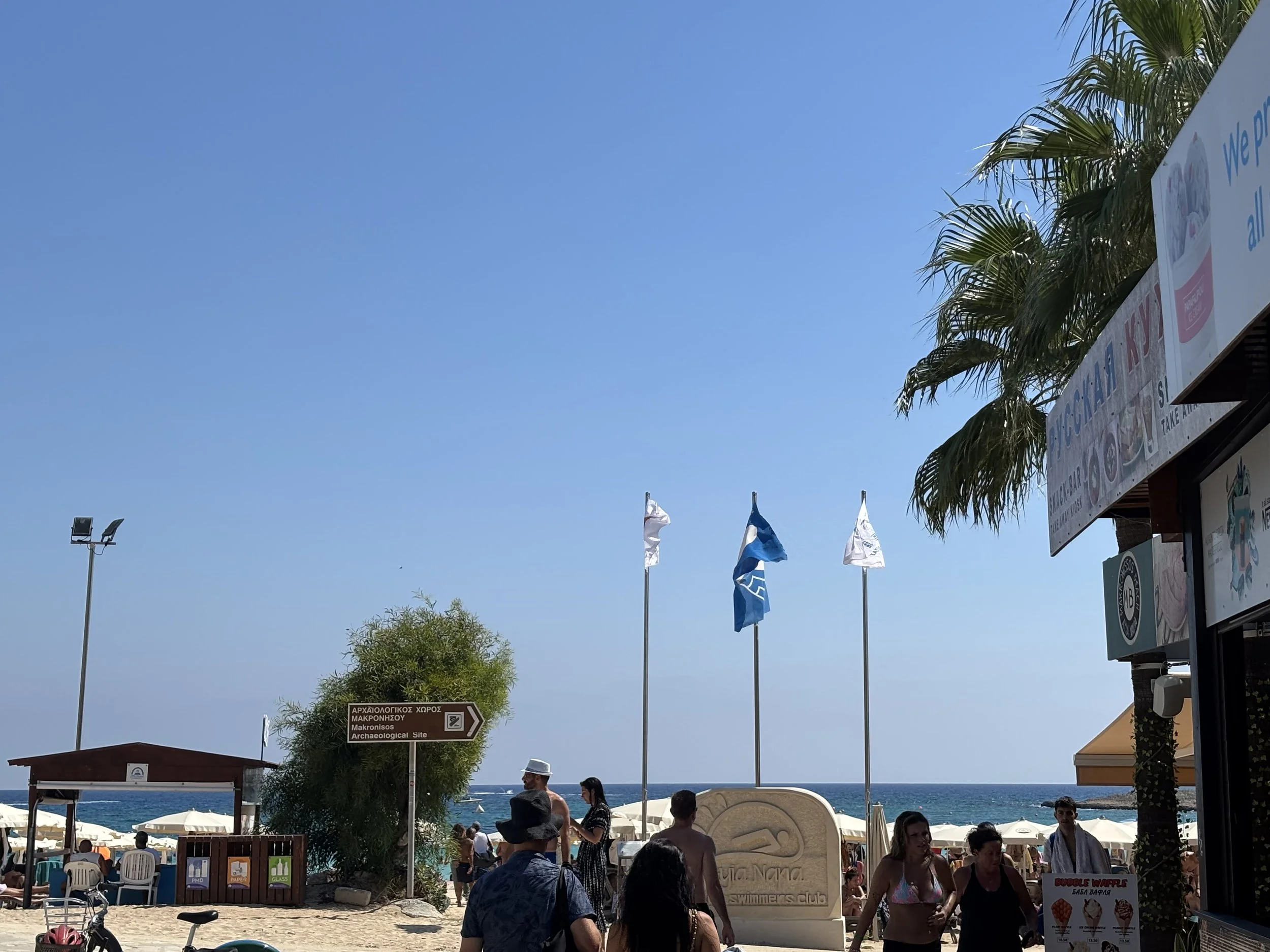
A blue flag at the entrance of Makronisos beach in Ayia Napa.
The Blue Flag has become one of the most recognizable symbols of quality associated with beaches around the world. For those visiting Cyprus, it can be an immediate sign that a beach is well cared for and meets internationally recognized standards for environmental management, water quality, safety and visitor facilities.
The Blue Flag program is operated under the supervision of the Foundation for Environmental Education (FEE), which was established in 1981 and is one of the world's largest environmental education organizations, with over 110 member organizations in 85 countries, based in Copenhagen.
It encourages beaches to maintain high standards while creating greater awareness of the relationship between tourism and the environment.
So, behind the blue flag, there are standards: bathing-water quality, environmental management, safety & services, sustainability, accessibility for all and environmental education.
Cyprus’ relationship with the sea
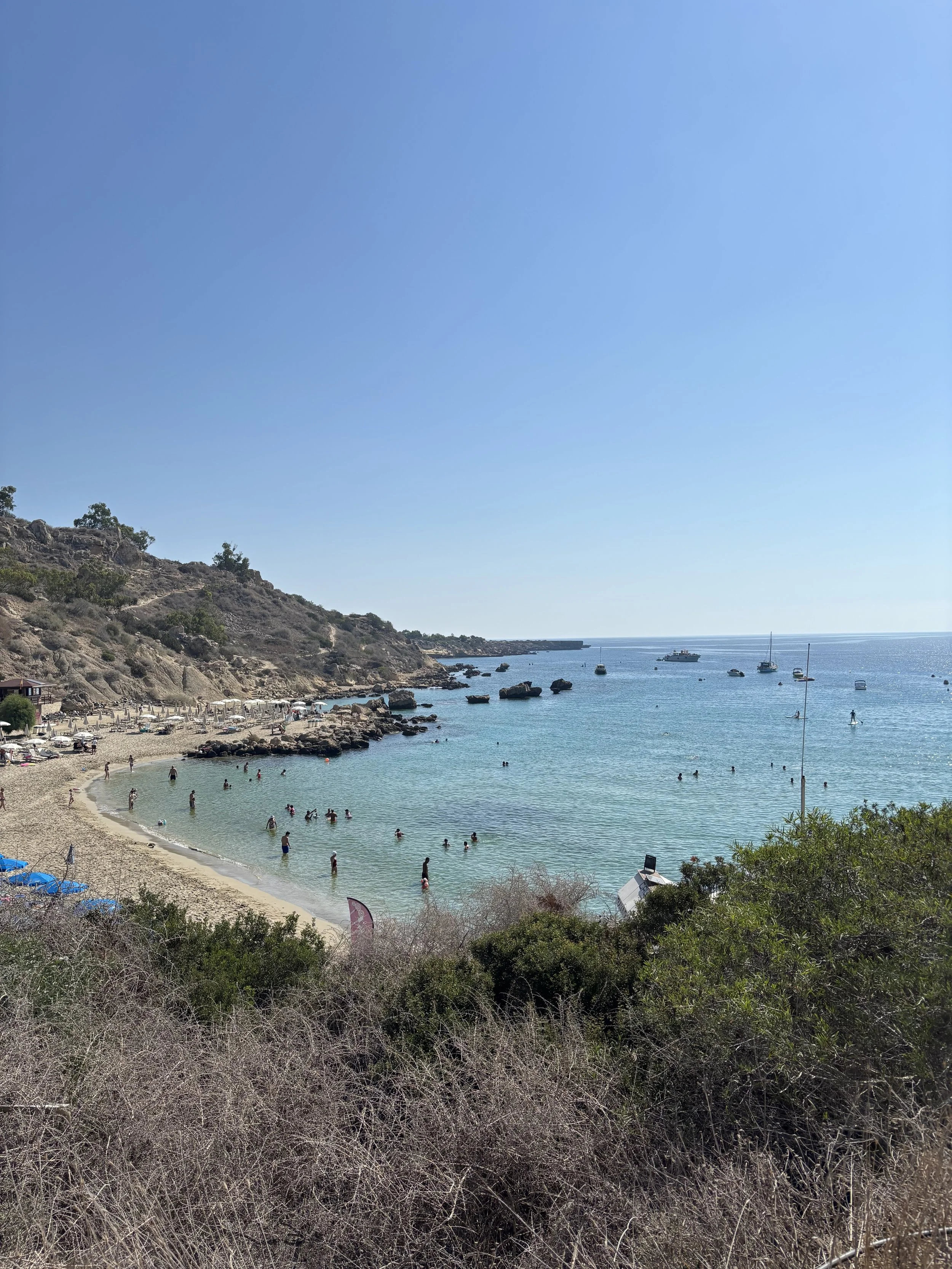
Konnos Beach between Ayia Napa and Protaras.
In 2026 Cyprus, where millions of visitors are drawn to the coast each year, had 56 Blue Flag beaches, mainly in Protaras and Ayia Napa areas, and two marinas got this award as well, Limassol and Ayia Napa Marinas.
This can make a meaningful difference, as a clean and well-managed beach is better for everyone: residents, visitors, local businesses and, most importantly, the marine environment itself.
The color itself seems almost made for Cyprus, echoing the endless Mediterranean sky and the clear waters surrounding the island.
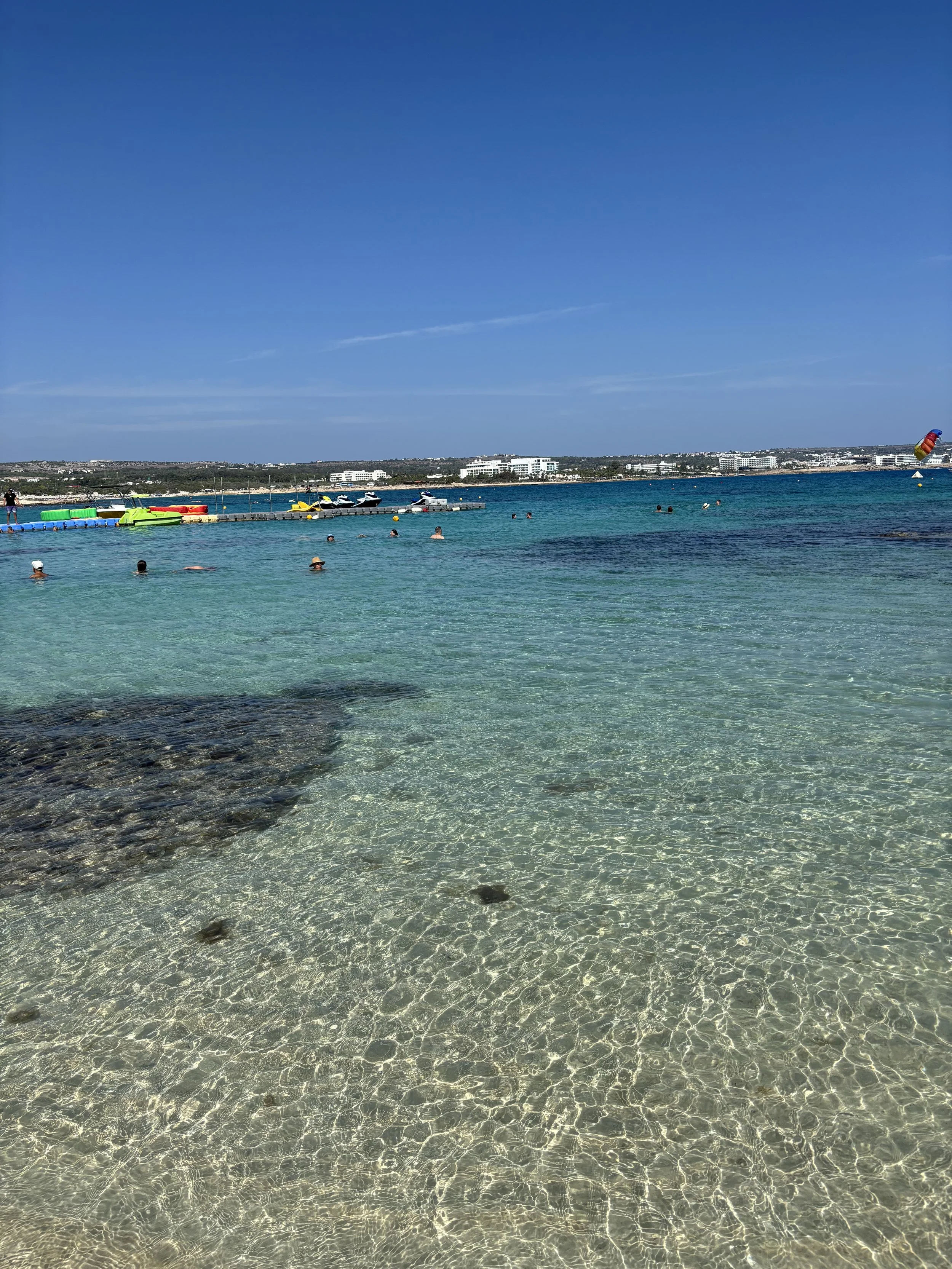
Makronisos beach in Ayia Napa.
Historically, Cyprus has always had a close relationship with the Mediterranean. The sea has connected the island to other cultures and countries for thousands of years. It has provided food, supported communities and shaped Cyprus's identity as a Mediterranean destination.
The island's coastline is one of its greatest treasures and one of the reasons people return year after year.
The turquoise waters of the east, the dramatic coastline of the west and the quieter coves scattered across the island create a beach culture that is central to everyday life.
Quality and Lifestyle
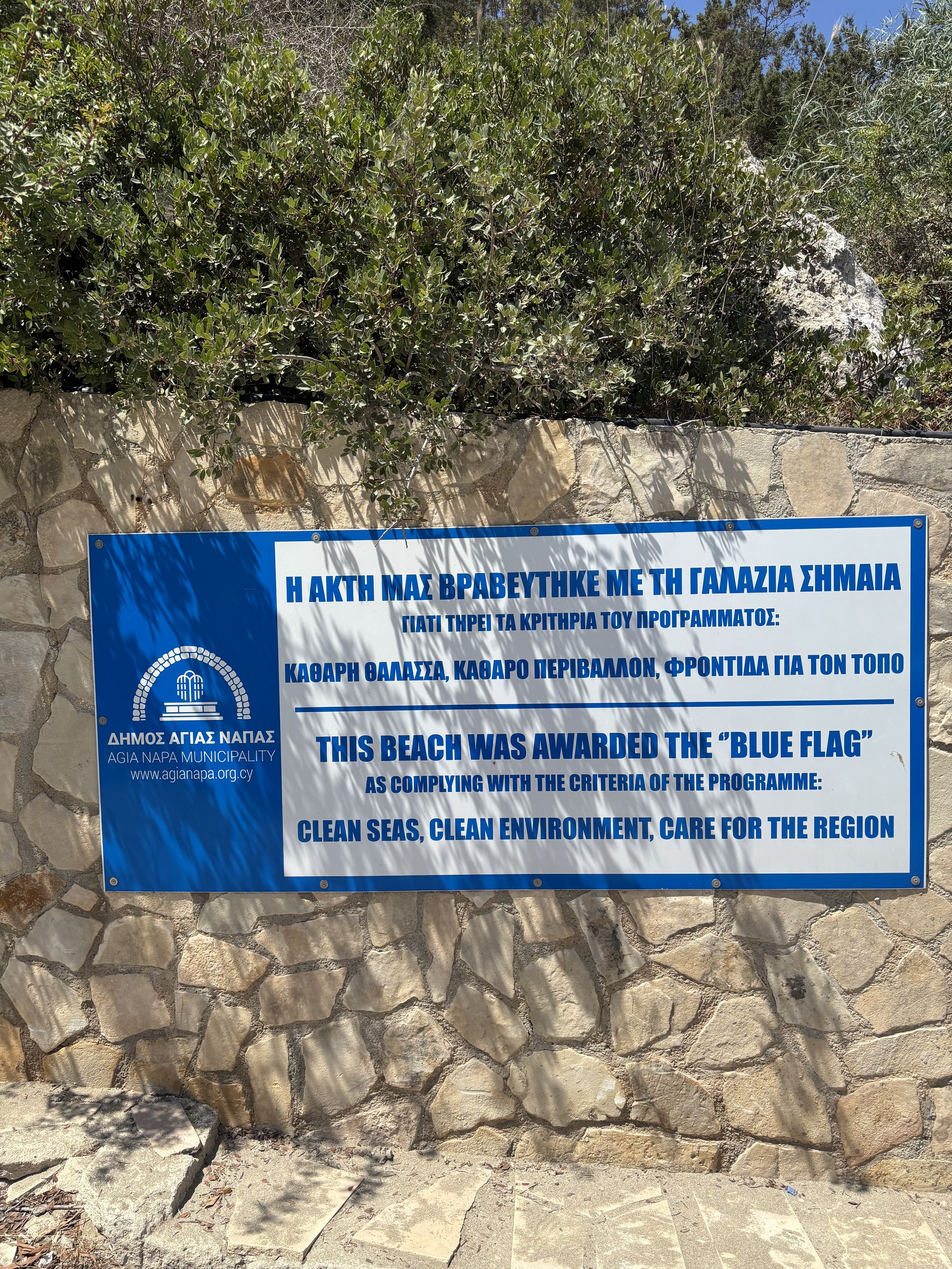
Certificate of the Blue Flag at Konnos Beach in Ayia Napa.
There is also a lifestyle element to the Blue Flag.
A well-maintained beach changes the experience of being by the sea. Clear water invites you to swim; clean surroundings encourage you to stay longer and safe facilities create peace of mind.
Responsible management is the difference between simply visiting the coast and truly enjoying it.
For travelers, the Blue Flag can offer reassurance. For Cyprus, it is a reflection of the standards it wants its beaches to represent.
Final Word
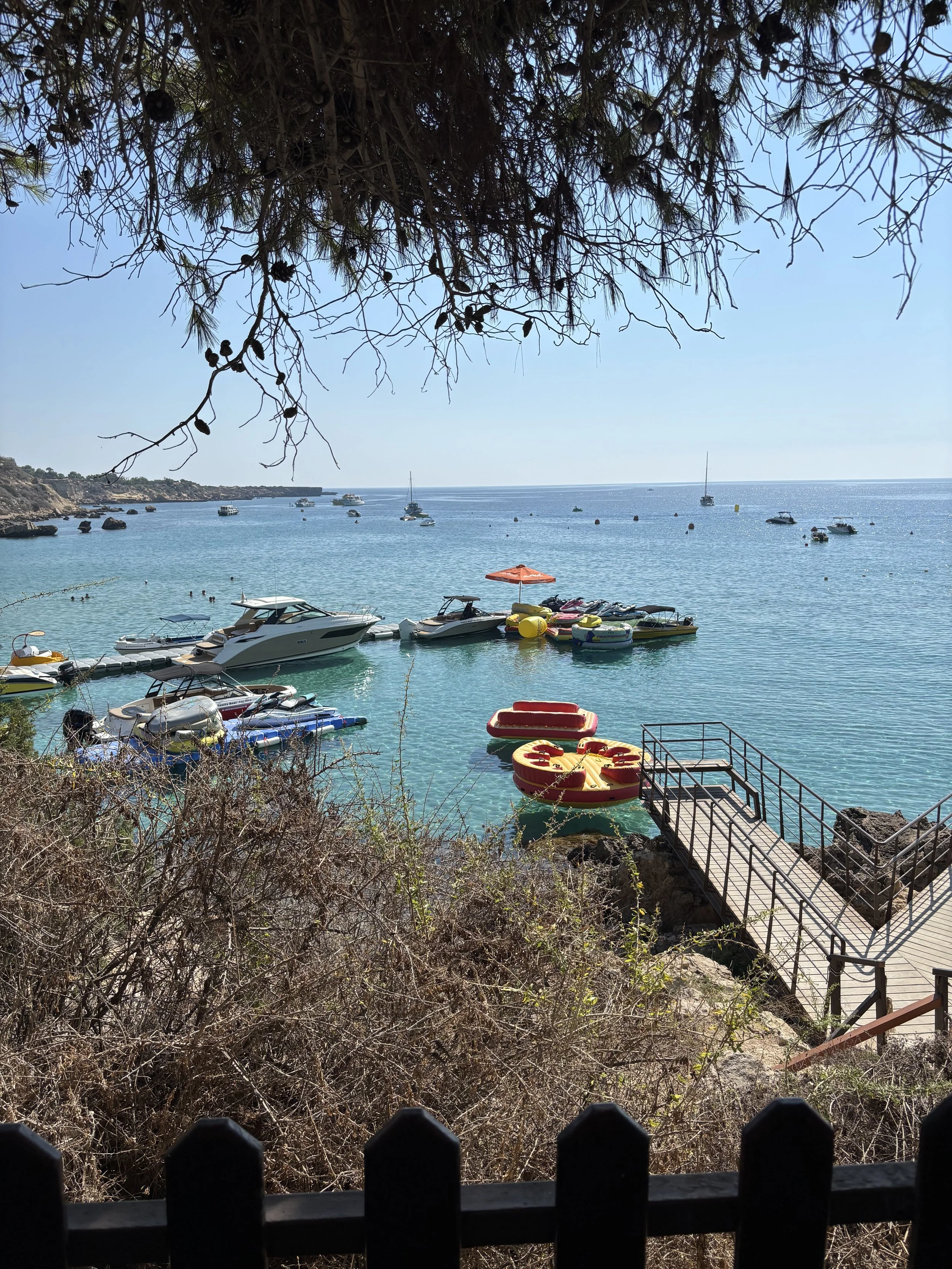
Water sports at Konnos Bay in Ayia Napa.
So, the next time you're choosing between Cyprus's many beautiful beaches, keep an eye out for the blue flag fluttering in the Mediterranean breeze.
It is a small sign with a bigger message: beautiful beaches are worth protecting. And in Cyprus, where the sea is woven so deeply into everyday life, that is something celebrated every day!
Et voilà! That is the story of the Blue Flag in Cyprus, which gives the environmental commitment a symbol.
Five Facts About the Blue Flag Program:
1- In 2026, 5,274 Blue Flag sites were awarded worldwide across 52 countries, including 4,371 beaches, 745 marinas and 158 tourism boats.
2- Cyprus's national Blue Flag operator is CYMEPA, Cyprus Marine Environment Protection Association.
3- The Blue Flag is awarded only when sites meet defined criteria like bathing-water quality, environmental management and education, safety, and accessibility.
4- Spain topped the list of Blue Flag sites in 2026 with 676 beaches and 112 marinas.
5- The program originated in France in 1985 and expanded to the European level in 1987, when the first Blue Flags were awarded in ten European countries.