Why Mykonos Never Goes Out of Style?
Mykonos has managed something few destinations pull off: it has stayed the "it" island for decades without losing its appeal. Here's what actually drives the obsession, from celebrities to first time comers.
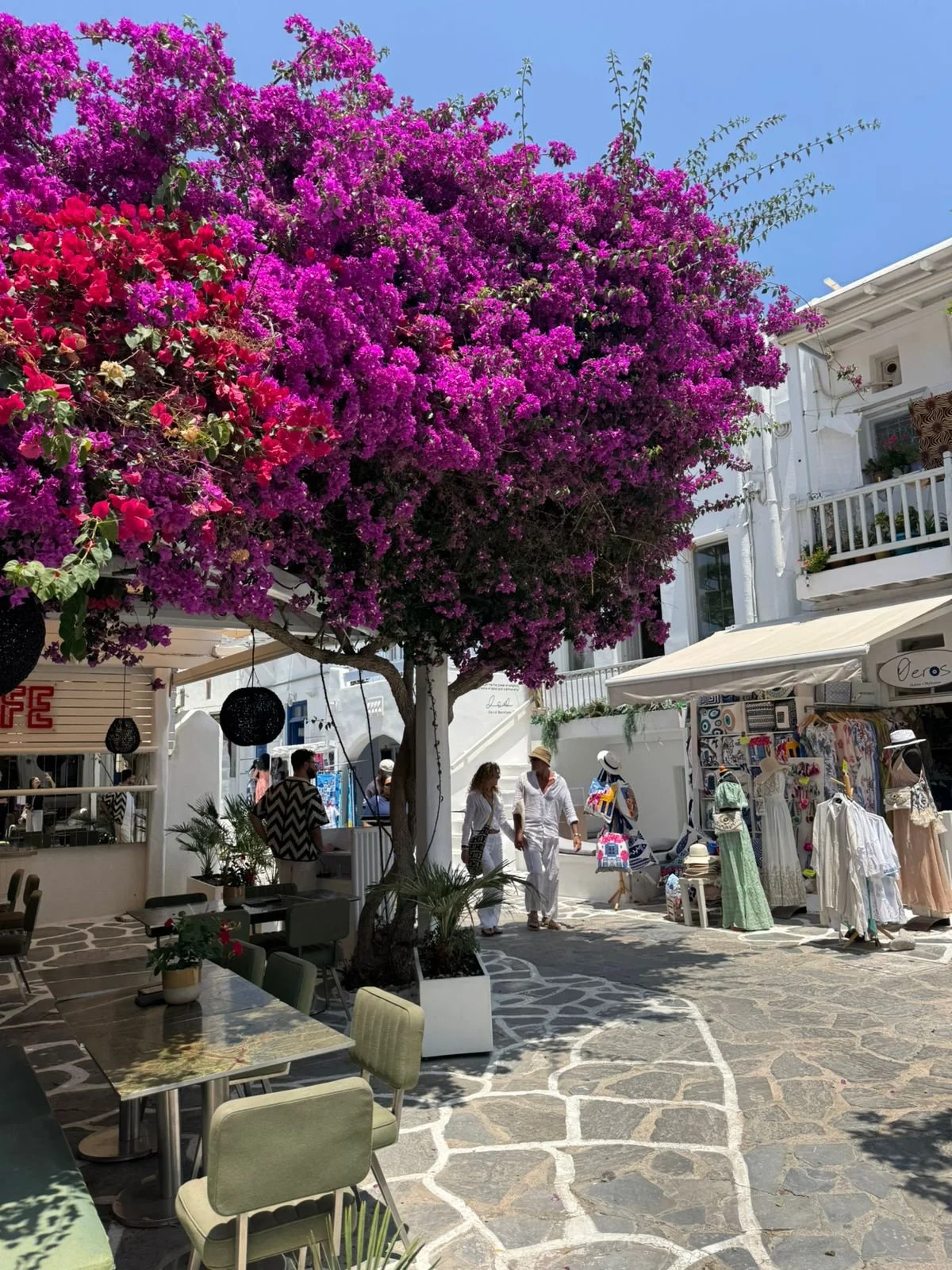
The charming narrow streets of Mykonos Town.
The beach club culture
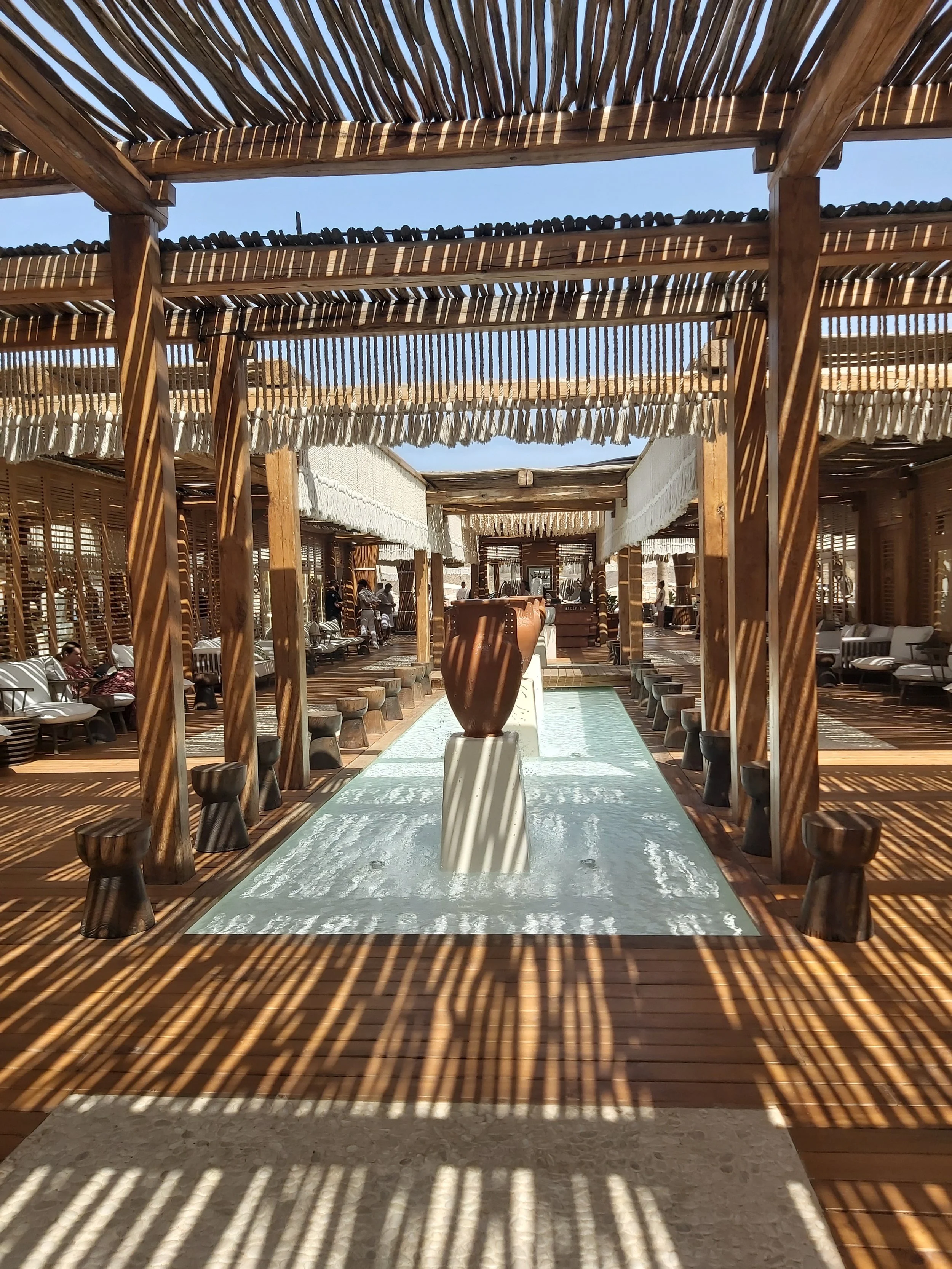
The entrance of Principote beach bar in Mykonos.
Mykonos didn't just build beaches, it built beach clubs like Scorpios, Nammos, Cavo Paradiso, Principote, Paradise and many others. A day at the beach here comes with DJs, designer sunbeds, and a party atmosphere you won't find on most Greek islands.
You arrive to find reserved sunbeds on a beautiful sandy beach with attentive service, towels, umbrellas and staff bringing food and drinks to you on the beach. The atmosphere is glamourous and social with a crowd that often includes international travelers and celebrities.
The beach day usually builds along a long, indulgent lunch based on seafood, sushi, grilled meats and Greek specialties with expensive bottles of course shared around the table.
The day starts usually relaxed and becomes more animated through the afternoon with music getting louder and people moving from sunbeds to the restaurant and bar. Then the party begins.
Nightlife that Never Stops
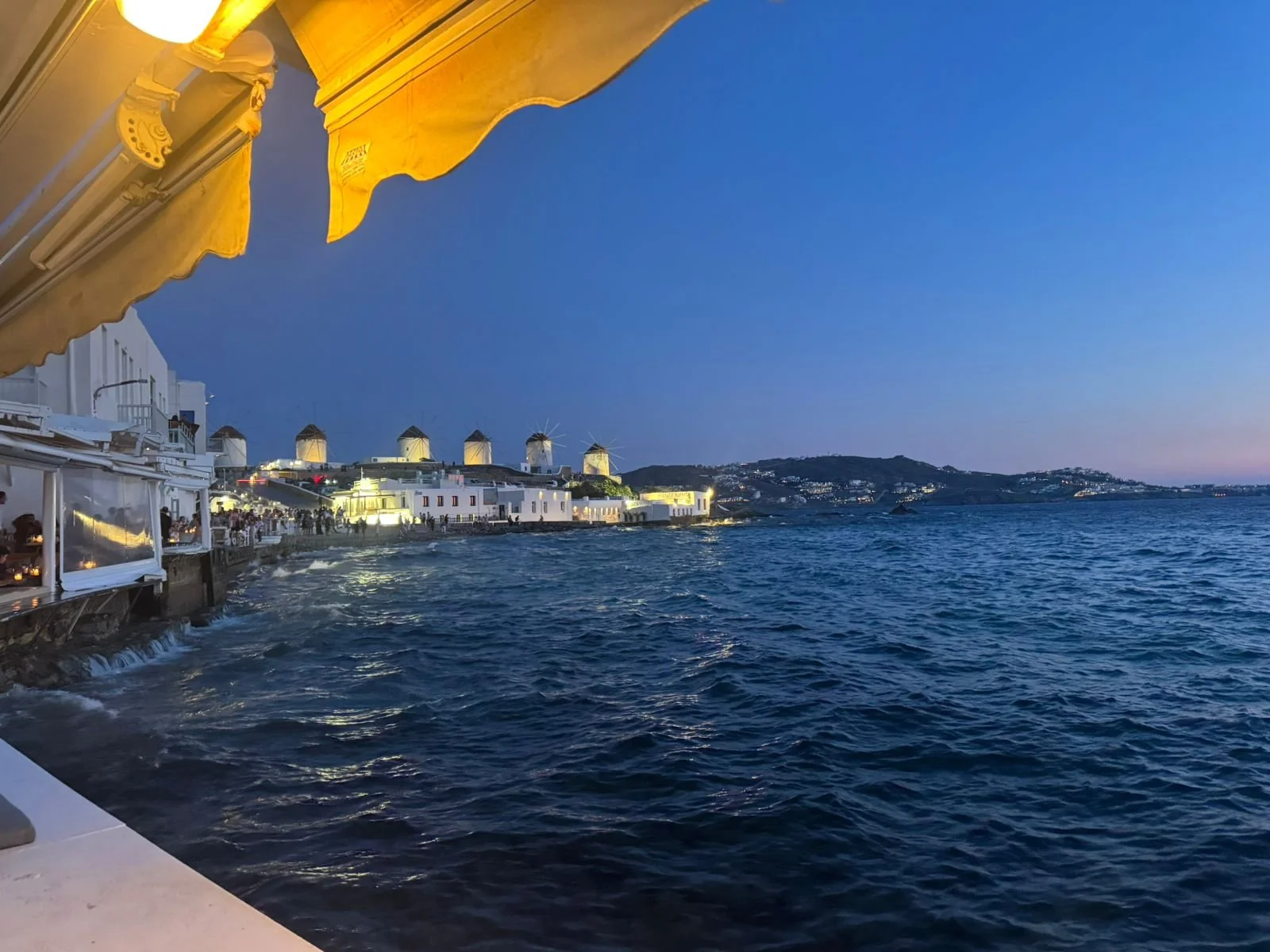
In one restaurant-bar near Little Venice in Mykonos.
What makes Mykonos distinctive is the day-to-night progression.
From a beach day to golden-hour cocktails to sunrise beach parties, Mykonos has one of the most concentrated nightlife scenes in Europe.
It's less "island vacation" and more "European clubbing capital with better weather."
People often choose Mykonos specifically for the combination of beach, luxury, restaurants, and partying.
Little Venice and the windmills
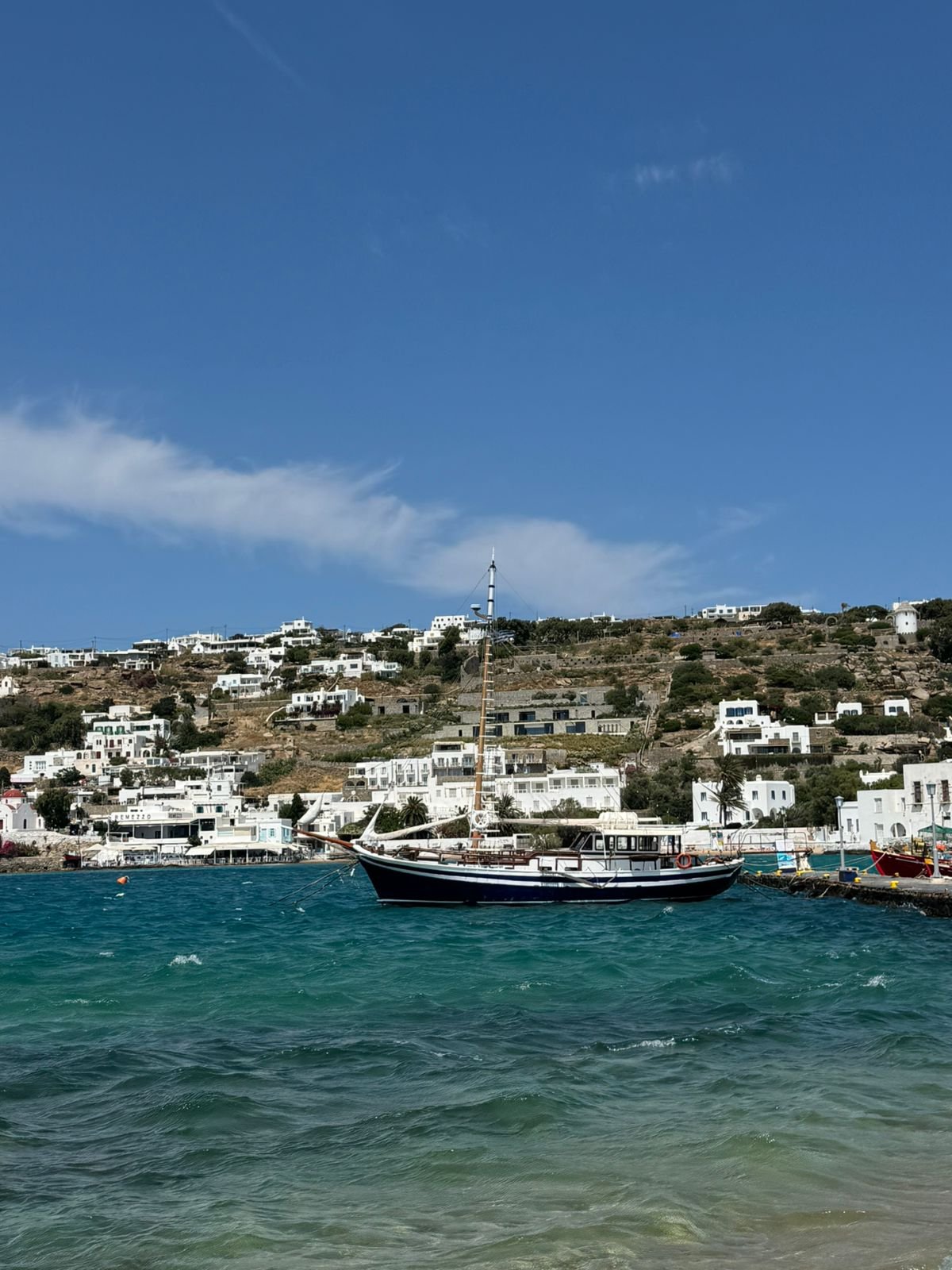
The view from Little Venice in Mykonos.
This is the postcard shot of Greece: whitewashed buildings sitting right on the water, framed by the island's iconic windmills at sunset.
It's one of the most photographed spots in the Mediterranean for a reason. And it is the place for the perfect cocktail on the golden hour.
Between and around the windmills and Little Venice is the famous Chora.
Strolling in Chora, Mykonos town, is one of the highlights also, where you walk in the maze-like whitewashed streets where there are many boutiques, restaurants, cocktail bars, churches, and nightlife.
Fine Dining and a catwalk
In Mykonos Town, fine dining is part of the evening ritual. Elegant restaurants tucked into the whitewashed maze serve everything from elevated Greek cuisine and fresh Aegean seafood to international gastronomy, while candlelit tables spill into picturesque corners of Chora.
As dinner gives way to cocktails, the narrow streets become a catwalk of their own. Visitors dressed in the latest resort and designer trends weave through the iconic whitewashed lanes, turning an evening stroll into an effortless display of Mediterranean style and glamour.
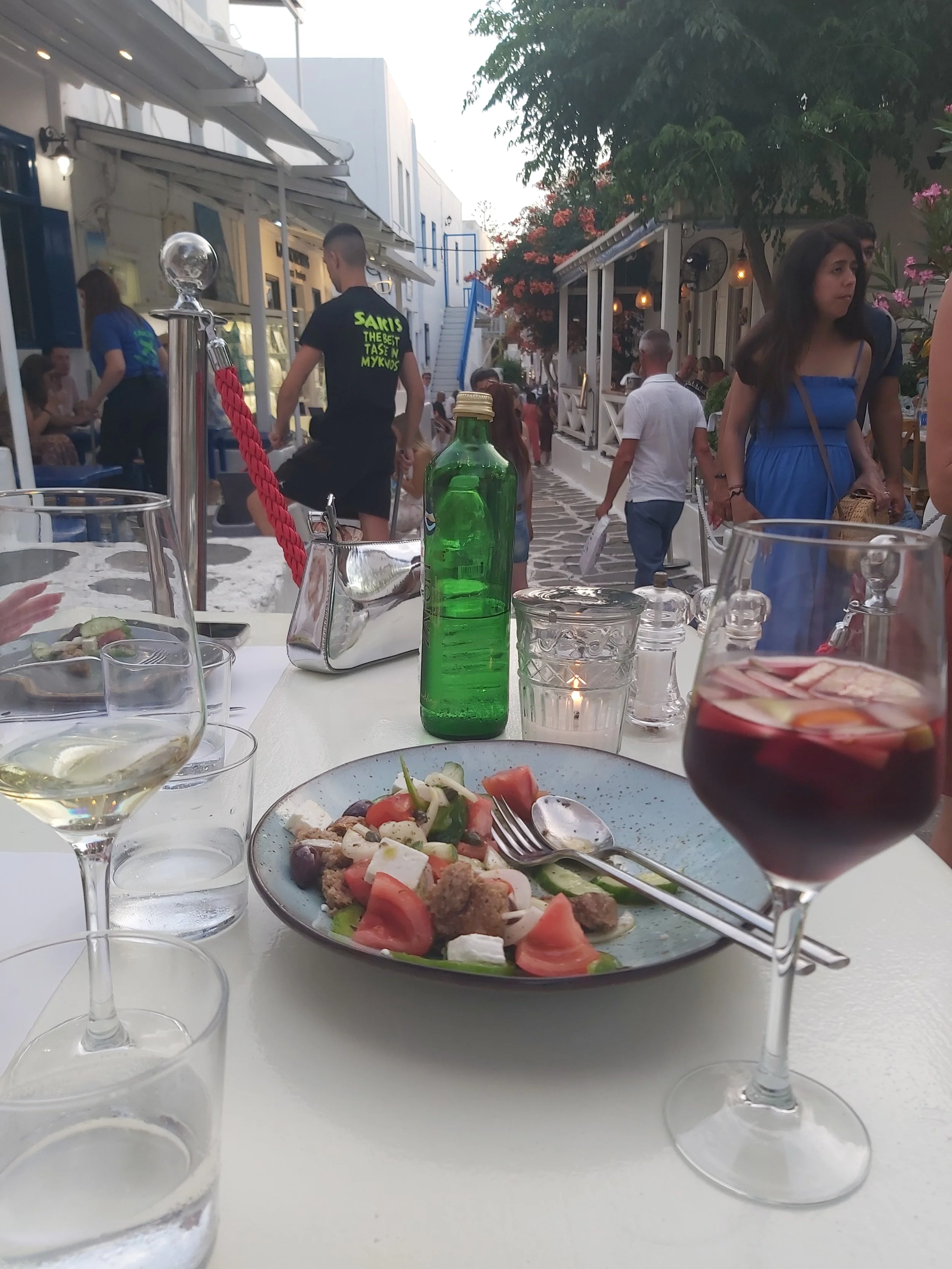
Enjoying a dinner at Mykonos Town, Chora.
A Status Symbol
Sitting conveniently between Athens and the rest of the Cyclades, Mykonos is a natural stop for yacht routes and short island-hopping itineraries, which keeps it firmly on the summer circuit for the jet-set crowd.
At this point, "summering in Mykonos" has become shorthand for a certain lifestyle. Every celebrity visit and viral photo just feeds the island's reputation further, pulling in the next wave of visitors chasing the same experience.
Final Word
The bottom line: Mykonos isn't popular by accident.
The glamorous visits of Aristotle Onassis and Jackie Kennedy in the 1960s helped put Mykonos on the international map, transforming the island into a celebrated destination for the world’s jet set.
Et voilà! That is how Mykonos built an entire identity around exclusivity, aesthetics, and nightlife, and that combination keeps renewing itself every summer.
Five Facts About Mykonos:
1- Mykonos is a Greek island in the Aegean Sea, part of the Cyclades, situated between Tinos, Syros, Paros and Naxos.
2- The island covers approximately 86 km² and has around 89 km of coastline and is mainly dry, windy and rocky.
3- It is near the sacred island of Delos, the UNESCO World Heritage Site, famous as an important religious and commercial center of ancient Greece.
4- Like many Cycladic islands, Mykonos subsequently passed through Byzantine, Venetian and Ottoman periods before becoming part of the modern Greek state.
5- Mykonos gradually changed in the 20th century from a relatively traditional, agricultural and maritime island into an international tourism destination.